
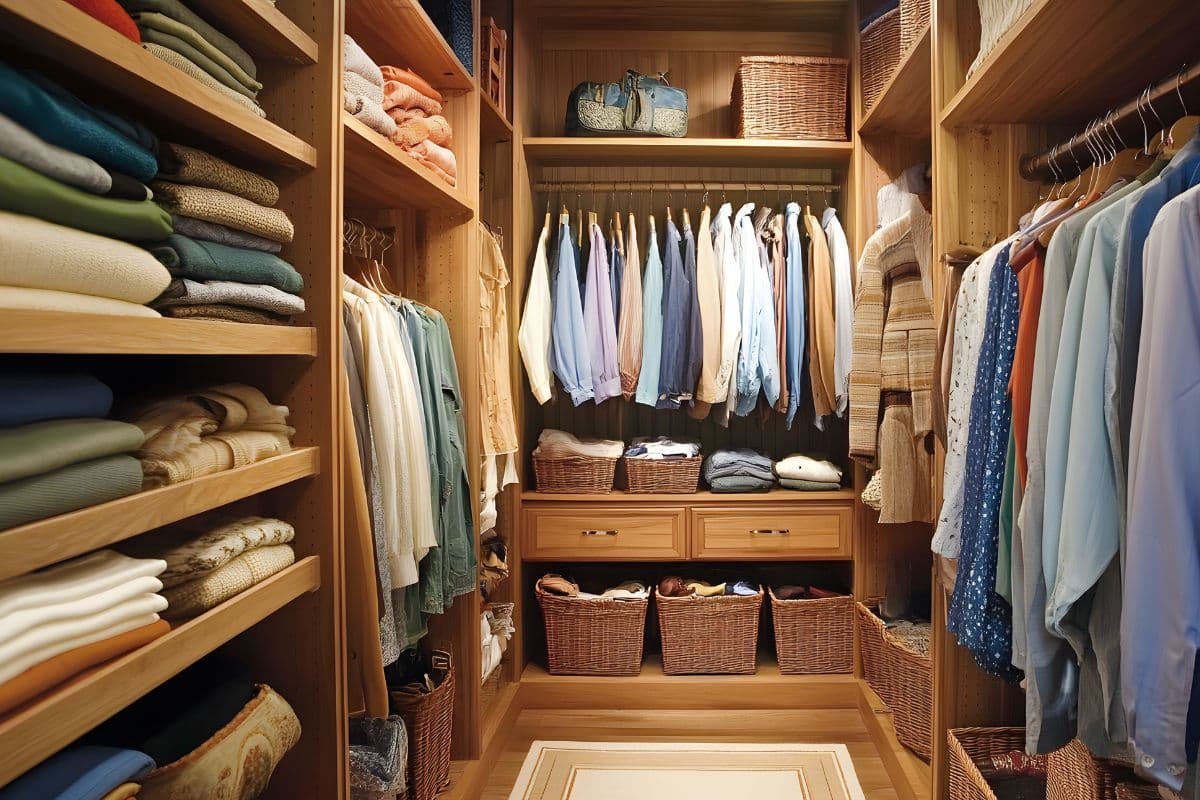
J Crew has long been a staple in American wardrobes, offering classic preppy styles and versatile basics. However, as conscious consumers increasingly prioritize sustainability and ethical manufacturing, many are seeking brands that align with their values without sacrificing style. The fashion industry’s environmental footprint and labor practices have sparked a growing movement toward responsible fashion choices, prompting shoppers to explore alternatives that champion fair wages, eco-friendly materials, and transparent supply chains. This shift represents more than a trend; it reflects a fundamental change in how we approach our clothing purchases and their impact on people and planet.
Why sustainable fashion matters for modern consumers
The traditional fashion industry contributes significantly to global carbon emissions, water pollution, and textile waste. Fast fashion’s rapid production cycles and disposable mindset have created an environmental crisis that demands urgent attention. Ethical fashion alternatives address these concerns by implementing practices that minimize environmental harm while ensuring fair treatment of workers throughout the supply chain.
Consumers today recognize that their purchasing decisions carry weight beyond personal style. Each garment purchase represents a vote for the kind of industry we want to support. Sustainable brands typically use organic or recycled materials, employ low-impact dyeing processes, and maintain transparent relationships with their manufacturing partners. These companies often pay living wages, ensure safe working conditions, and contribute to local communities where their products are made.
The quality factor also plays a crucial role in sustainable fashion. While ethically-made clothing often carries higher price tags, these pieces are designed to last significantly longer than their fast-fashion counterparts. This longevity means fewer purchases over time, reducing both environmental impact and long-term costs. Investment pieces from responsible brands maintain their shape, color, and construction through years of wear, making them economically sensible choices for budget-conscious shoppers who think beyond immediate gratification.
Ten remarkable brands offering ethical alternatives
Everlane has built its reputation on radical transparency, publishing detailed information about factory conditions, markup costs, and materials sourcing. Their clean aesthetic mirrors J Crew’s classic approach while offering everything from essential tees to tailored outerwear. The brand’s commitment to eliminating virgin plastic from their supply chain demonstrates genuine environmental dedication.
Pact specializes in organic cotton basics that rival J Crew’s fundamental wardrobe pieces. Their Fair Trade Certified factories ensure workers receive fair compensation and safe environments. From underwear to loungewear, Pact proves that sustainable materials need not compromise comfort or affordability. Their subscription model offers additional savings for regular purchases.
| Brand | Specialty | Price Range | Key Certification |
|---|---|---|---|
| Everlane | Timeless basics | $$ | Ethical factories |
| Pact | Organic cotton | $ | Fair Trade |
| Patagonia | Outdoor wear | $$$ | B Corp, Fair Trade |
| Reformation | Contemporary fashion | $$-$$$ | Carbon neutral |
Patagonia stands as the gold standard for environmental activism in fashion. Beyond creating durable outdoor clothing and casual wear, they actively encourage customers to repair rather than replace items. Their Worn Wear program facilitates secondhand purchases, while their environmental grants fund grassroots conservation efforts worldwide. This brand transforms shopping into environmental advocacy.
Reformation brings fashion-forward designs to the sustainable space, appealing to style-conscious consumers who refuse to compromise aesthetics for ethics. Their Los Angeles factory runs on renewable energy, and they track the environmental impact of each garment. Reformation’s feminine silhouettes and trend-aware collections demonstrate that eco-friendly fashion can be genuinely exciting and contemporary.
Making the transition to conscious shopping
Shifting from conventional retailers to sustainable alternatives requires mindful consideration of several factors. Start by assessing your current wardrobe to identify gaps and avoid unnecessary purchases. Quality over quantity becomes the guiding principle, encouraging investment in versatile pieces that work across multiple outfits and occasions.
Research brand values and certifications before committing to purchases. Look for third-party verifications like :
- Fair Trade Certified ensuring ethical labor practices
- GOTS (Global Organic Textile Standard) guaranteeing organic materials
- B Corp certification demonstrating comprehensive social and environmental performance
- Bluesign approval indicating responsible chemical management
- OEKO-TEX certification confirming textile safety
Consider brands like Thought Clothing, which combines natural fibers with contemporary European styling, or Amour Vert, partnering with sustainable mills exclusively and planting trees for each purchase. People Tree pioneered Fair Trade fashion decades ago, offering artisan-made pieces that celebrate traditional craftsmanship while supporting developing communities.
Nisolo focuses specifically on leather goods and footwear, providing transparent information about worker wages and environmental practices. Their classic designs align perfectly with J Crew’s aesthetic while ensuring every product supports fair labor standards. Similarly, Outerknown, co-founded by professional surfer Kelly Slater, delivers coastal-inspired menswear with unwavering commitment to sustainability and fair labor.
For those seeking budget-friendly options, Organic Basics offers minimalist essentials made from sustainable materials at accessible prices, proving that ethical fashion need not be prohibitively expensive. Their SilverTech technology reduces washing frequency, further minimizing environmental impact throughout the garment’s lifecycle. Conscious consumption ultimately means choosing quality pieces that serve multiple purposes, maintaining relevance across seasons and trends while respecting both planetary boundaries and human dignity.