
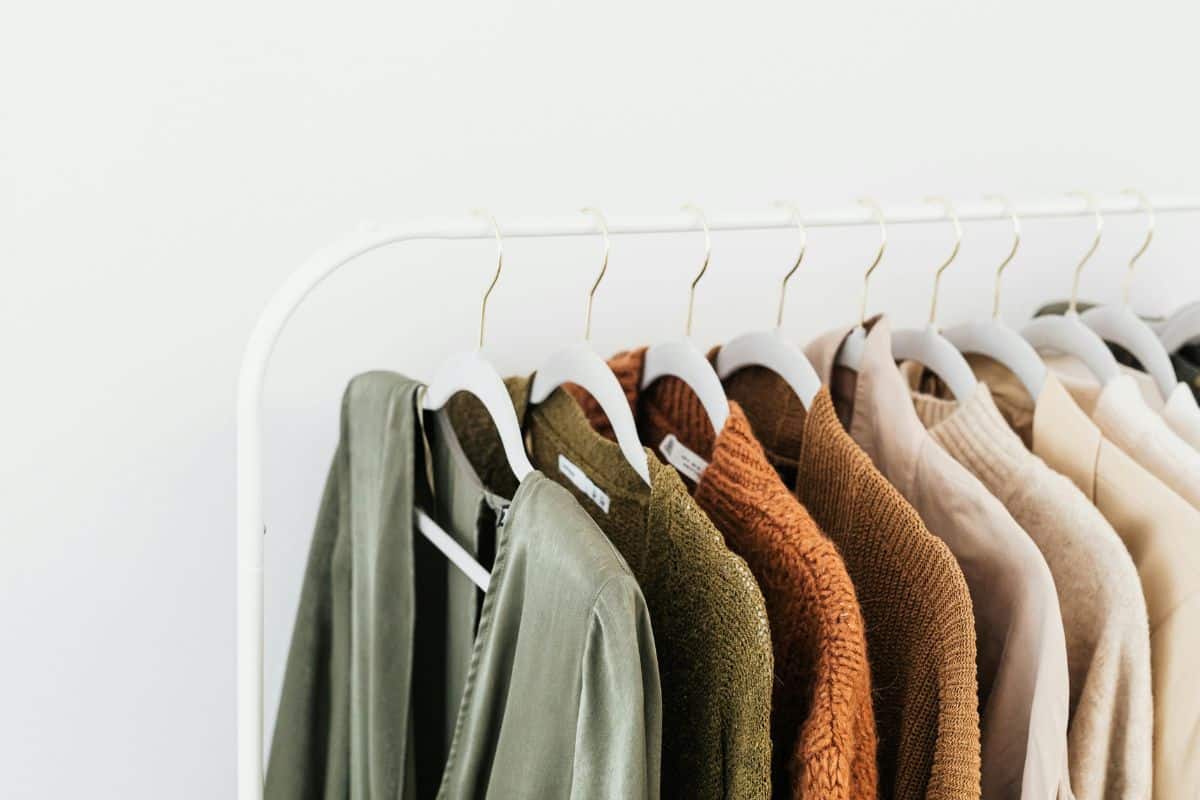
In recent years, consumers have become increasingly aware of the fashion industry’s impact on both people and planet. While Madewell has positioned itself as a relatively conscious brand, many shoppers are seeking alternatives that prioritize ethical production, sustainable materials, and transparent supply chains. As we move through 2026, the demand for genuinely ethical fashion continues to grow, pushing brands to demonstrate their commitment through concrete actions rather than marketing slogans. This guide explores credible alternatives to Madewell that align with values of environmental stewardship and social responsibility.
Why consider sustainable fashion alternatives
The fashion industry remains one of the world’s most polluting sectors, responsible for approximately 10% of global carbon emissions. Traditional manufacturing processes consume vast quantities of water, release harmful chemicals into ecosystems, and often rely on exploitative labor practices. Choosing ethical alternatives represents more than a personal style decision—it’s a commitment to supporting businesses that prioritize worker welfare and environmental conservation.
Madewell, owned by J.Crew Group, has made strides toward sustainability with initiatives like denim recycling programs and transparency reports. However, critics point out that fast fashion business models inherently conflict with genuine sustainability. The brand releases frequent new collections, encouraging consumption patterns that contradict circular economy principles. Additionally, while some Madewell products use organic cotton or recycled materials, the majority of their inventory still relies on conventional production methods.
When evaluating ethical alternatives, consider these essential criteria :
- Material sourcing : Brands should prioritize organic, recycled, or innovative sustainable fabrics
- Production transparency : Companies must disclose manufacturing locations and working conditions
- Fair labor practices : Workers deserve living wages and safe environments
- Carbon footprint : Brands should measure and actively reduce their environmental impact
- Business model : Slow fashion approaches that emphasize quality over quantity
Leading sustainable brands as Madewell alternatives
Everlane has built its reputation on radical transparency, publishing detailed information about its factories, production costs, and markup. The brand specializes in wardrobe essentials with minimalist aesthetics similar to Madewell’s style. Everlane uses sustainable materials including recycled polyester and responsibly sourced leather, while maintaining competitive pricing. Their commitment to ethical production extends to rigorous factory audits and long-term partnerships with manufacturers.
Pact Organic offers affordable basics made entirely from organic cotton certified by Global Organic Textile Standard. The brand focuses on everyday essentials—t-shirts, underwear, loungewear—produced in Fair Trade Certified facilities. Pact’s pricing remains accessible, making ethical fashion choices available to budget-conscious consumers. Their direct-to-consumer model eliminates retail markups, passing savings to customers while maintaining fair wages for workers.
Reformation combines trendy designs with sustainability credentials, appealing to fashion-forward consumers. The brand publishes detailed sustainability reports and carbon footprint data for individual products. Reformation uses deadstock fabrics, recycled materials, and eco-friendly fibers while manufacturing predominantly in Los Angeles to ensure ethical working conditions. Their Ref Scale tracks environmental impact across categories, providing transparency rarely seen in contemporary fashion.
| Brand | Price range | Key sustainability focus | Style aesthetic |
|---|---|---|---|
| Everlane | $$ | Radical transparency, ethical factories | Minimalist basics |
| Pact Organic | $ | Organic cotton, Fair Trade | Casual essentials |
| Reformation | $$$ | Recycled materials, carbon tracking | Trendy feminine |
| Thought Clothing | $$ | Natural fibers, slow fashion | Contemporary classic |
Emerging ethical brands worth discovering
Thought Clothing, a UK-based brand, creates timeless pieces from natural and sustainable materials including bamboo, organic cotton, and hemp. Their slow fashion philosophy emphasizes durability and versatility, designing garments intended to last for years. Thought maintains transparent supply chains and partners with factories that provide fair wages and safe working conditions. The brand’s aesthetic leans toward contemporary classic styles that transcend seasonal trends.
Kotn focuses on single-origin Egyptian cotton, working directly with farmers to ensure fair compensation and sustainable agricultural practices. This Canadian brand has established its own supply chain, building schools and investing in Egyptian farming communities. Kotn’s vertically integrated approach ensures quality control and ethical standards from field to finished product. Their style mirrors Madewell’s casual sophistication with elevated basics and denim alternatives.
For those seeking luxury alternatives, Veja has revolutionized sustainable footwear. While primarily known for sneakers, the French brand exemplifies ethical business practices through transparent pricing, fair trade relationships with Brazilian cooperatives, and innovative materials like wild rubber from the Amazon. Veja refuses traditional advertising, instead investing those funds directly into sustainable production and fair labor practices.
Making informed choices for your wardrobe
Transitioning to an ethical wardrobe doesn’t require abandoning everything overnight. Start by identifying gaps in your current collection and replacing items strategically with sustainable alternatives as needs arise. Quality over quantity remains the cornerstone of ethical fashion—investing in well-made pieces reduces overall consumption and waste.
Research brands thoroughly before purchasing. Look beyond marketing claims to examine third-party certifications like Fair Trade, GOTS, or B Corporation status. Many truly sustainable brands publish annual impact reports detailing their environmental metrics, labor practices, and improvement goals. Organizations like Good On You provide independent ratings evaluating brands across environmental impact, labor conditions, and animal welfare.
Consider secondhand shopping as the most sustainable option. Platforms like ThredUp, Poshmark, and Depop offer curated selections of pre-owned clothing, extending garment lifecycles and reducing demand for new production. When you do purchase new items from ethical brands, care for them properly to maximize longevity—following care instructions, repairing minor damage, and storing garments appropriately ensures your investment serves you well for years.