
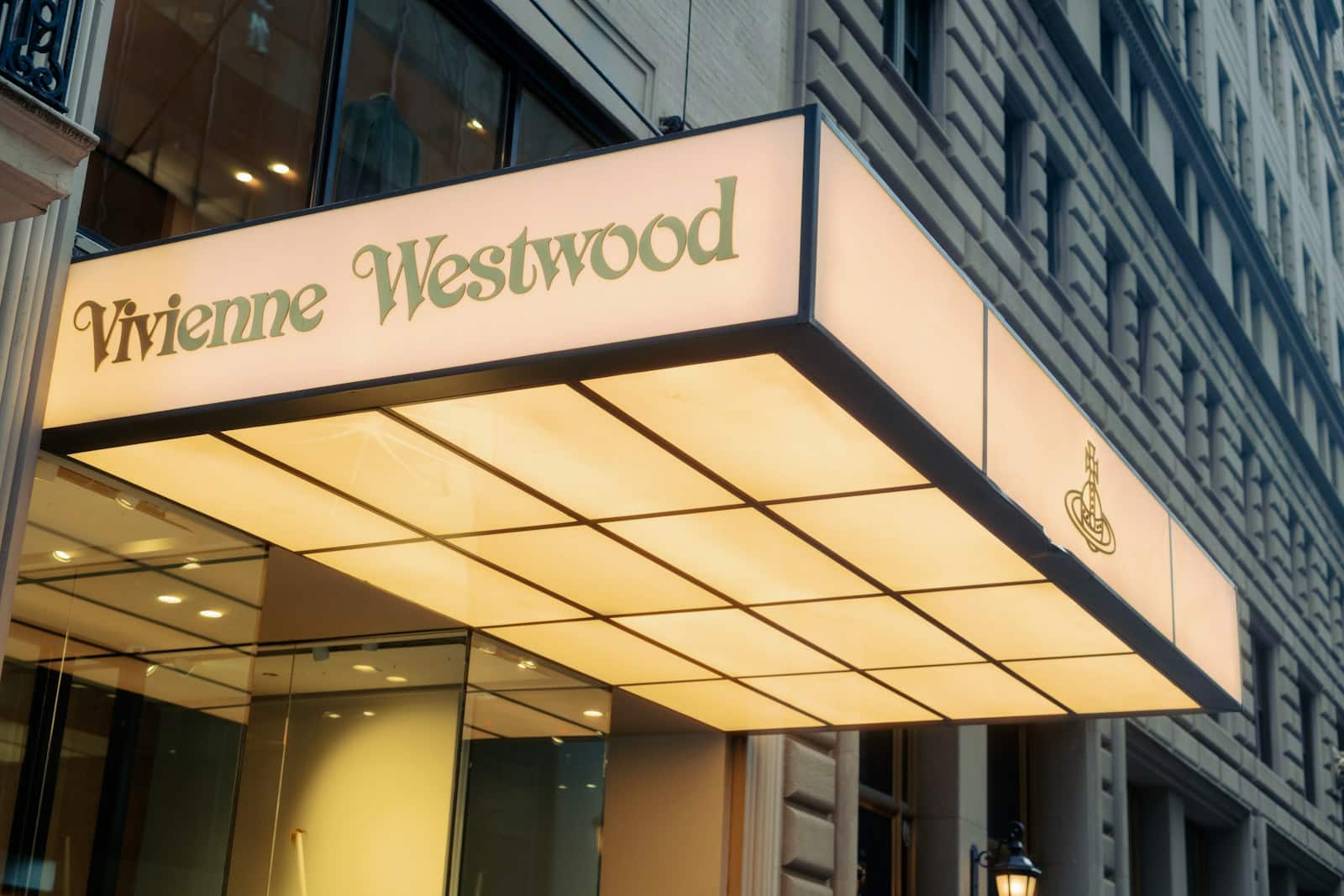
Vivienne Westwood occupies a fascinating position in the fashion industry, straddling the line between high-end designer wear and accessible luxury. Founded in the 1970s by the late Dame Vivienne Westwood, the British brand has evolved from its punk rock origins into a globally recognized name synonymous with rebellious elegance and environmental activism. Understanding whether Vivienne Westwood qualifies as luxury requires examining multiple factors, including pricing strategies, brand heritage, craftsmanship standards, and market positioning relative to established luxury houses.
The brand’s heritage and positioning in the fashion hierarchy
Vivienne Westwood emerged during the punk movement of 1970s London, co-founded by Dame Vivienne Westwood and Malcolm McLaren. The brand’s early association with cultural rebellion and counterculture established its unique identity within fashion. Unlike traditional luxury houses such as Chanel or Hermès, which built their reputations on aristocratic elegance and exclusivity, Vivienne Westwood carved a niche through provocative designs and political statements.
The brand operates across multiple tiers, which complicates its classification. The mainline collections showcase haute couture-inspired pieces with substantial price tags, while diffusion lines like Vivienne Westwood Anglomania and Vivienne Westwood Red Label historically offered more accessible price points. This tiered approach places the brand in what industry experts call the contemporary luxury segment, positioned below ultra-luxury brands but above premium contemporary labels like Michael Kors or Kate Spade.
Dame Vivienne Westwood received recognition from the British establishment, including an OBE in 1992 and a DBE in 2006, which enhanced the brand’s prestige. Her designs have graced museum exhibitions worldwide, including retrospectives at the Metropolitan Museum of Art and the Victoria and Albert Museum. These institutional endorsements contribute significantly to perceived luxury status, even if price points don’t always match those of traditional luxury houses.
Analyzing price points and value proposition
Price comparison reveals where Vivienne Westwood positions itself within the luxury landscape. The brand’s pricing strategy demonstrates a calculated approach to accessible luxury, offering entry-level items alongside investment pieces that compete with established luxury brands.
| Product category | Vivienne Westwood | Traditional luxury brands | Contemporary brands |
|---|---|---|---|
| Statement handbags | $350-$800 | $2,000-$6,000 | $200-$500 |
| Evening dresses | $500-$2,500 | $3,000-$15,000 | $300-$1,200 |
| Jewelry pieces | $80-$400 | $500-$5,000 | $50-$250 |
| Ready-to-wear shirts | $200-$450 | $600-$1,500 | $100-$300 |
The brand’s iconic Orb logo appears across products ranging from affordable accessories to high-ticket runway pieces. This democratization strategy allows broader market access while maintaining aspirational appeal. The signature pearl choker necklaces, for instance, retail between $100 and $300, providing an accessible entry point for consumers seeking luxury brand affiliation without substantial financial commitment.
Quality considerations factor prominently into luxury classification. Vivienne Westwood employs skilled artisans and utilizes premium materials, particularly in mainline collections. However, some critics note that production methods increasingly rely on manufacturing partnerships rather than in-house ateliers, which distinguishes the brand from traditional luxury houses that maintain strict production control.
Market perception and consumer demographics
Consumer perception plays a crucial role in determining luxury status. Vivienne Westwood attracts a diverse clientele, from fashion-conscious millennials to established collectors. The brand resonates particularly strongly with individuals who value sustainable fashion practices and social consciousness, as Dame Vivienne Westwood became an outspoken environmental activist in later years.
Several factors influence how consumers perceive the brand’s luxury credentials :
- Cultural cachet derived from punk heritage and British eccentricity appeals to those seeking alternatives to conventional luxury
- Celebrity endorsements from personalities like Dita Von Teese, Pharrell Williams, and members of the British royal family enhance prestige
- Limited edition collaborations with retailers and other brands create exclusivity and collector interest
- Runway presentations at London and Paris Fashion Weeks maintain visibility within high fashion circles
- Sustainable production initiatives align with contemporary luxury consumers’ values and ethical purchasing considerations
The brand’s positioning differs geographically. In Japan, Vivienne Westwood enjoys cult status with extensive retail presence and premium pricing. British consumers often view it as a national treasure representing creative independence. American and European markets generally categorize it as upper contemporary rather than true luxury, placing it alongside brands like Stella McCartney or Alexander Wang.
Defining luxury in contemporary fashion contexts
Modern luxury definitions have evolved beyond traditional markers of exclusivity and price. Contemporary consumers increasingly value brand storytelling, ethical production, and cultural relevance alongside craftsmanship and materials. Vivienne Westwood excels in several areas that define modern luxury while falling short in others associated with traditional luxury houses.
The brand demonstrates intellectual luxury through designs that reference historical periods, particularly 18th-century British tailoring and Victorian silhouettes. This cerebral approach appeals to educated consumers who appreciate fashion as art form rather than status symbol. Collections consistently incorporate political messaging and environmental advocacy, distinguishing Vivienne Westwood from competitors focused purely on aesthetic appeal.
However, widespread retail distribution through department stores and outlet centers potentially dilutes exclusivity. Traditional luxury brands carefully control distribution channels, limiting availability to maintain scarcity. Vivienne Westwood’s more democratic approach increases accessibility but may compromise perceived rarity that defines ultimate luxury.
Ultimately, classifying Vivienne Westwood as luxury depends on which definition one applies. By traditional metrics emphasizing price, exclusivity, and heritage craftsmanship, the brand operates in the contemporary premium segment rather than true luxury. However, contemporary definitions valuing creativity, cultural impact, and philosophical depth position Vivienne Westwood firmly within luxury territory, representing an alternative luxury paradigm that prioritizes intellectual and creative value over conventional status markers.