
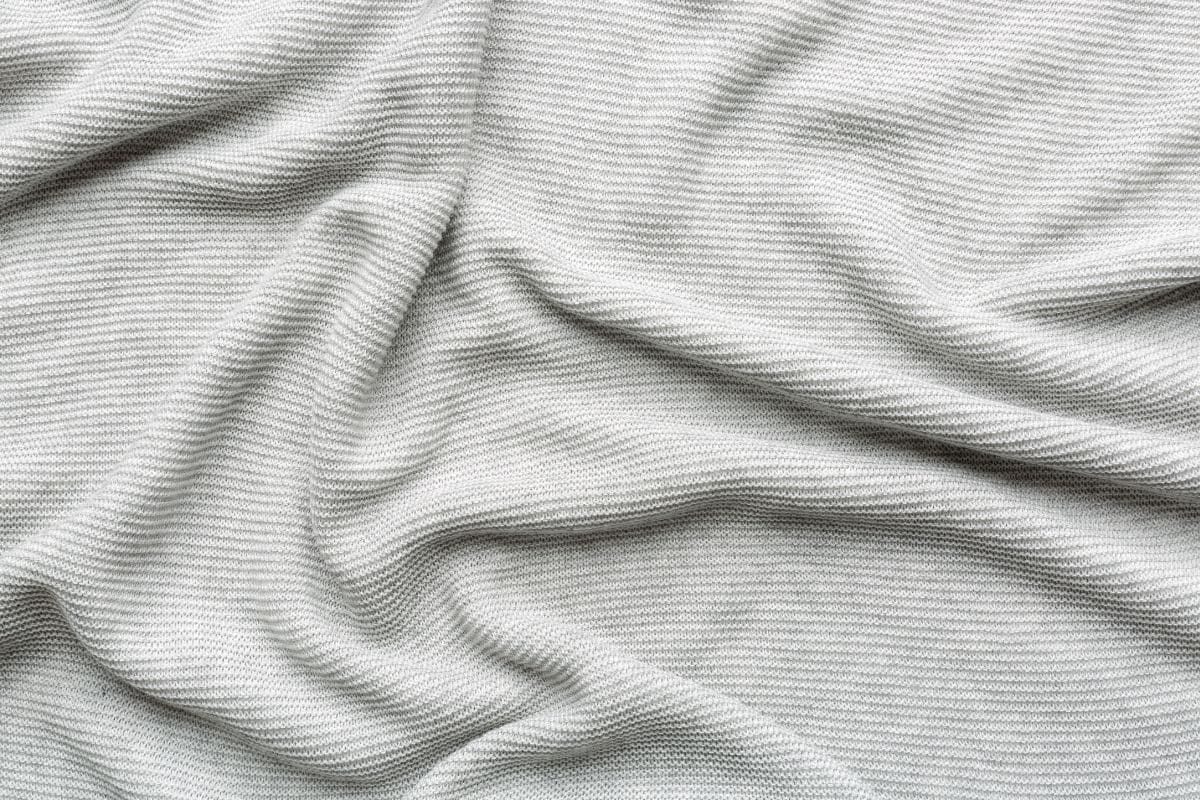
Terylene fabric represents one of the most widely recognized synthetic textiles in the modern clothing and industrial sectors. This material, commonly known as polyester fiber, has revolutionized the textile industry since its commercial introduction in the mid-20th century. Understanding what terylene fabric is, along with its characteristics and applications, helps consumers and professionals make informed decisions about textile selection for various purposes. The material’s versatility stems from its unique molecular structure, which gives it properties that natural fibers simply cannot match in certain applications.
Understanding the chemical composition and manufacturing process of terylene
Terylene fabric is manufactured through a complex chemical polymerization process that combines ethylene glycol with terephthalic acid. This synthetic polymer, scientifically classified as polyethylene terephthalate or PET, creates long-chain molecules that can be spun into fibers. The manufacturing process begins with the esterification reaction, where these two primary components undergo heating at temperatures exceeding 260 degrees Celsius. This chemical transformation produces the base polymer material that will eventually become fabric.
The production continues as the molten polymer is extruded through specialized spinnerets, creating continuous filaments that are cooled and stretched to align the molecular chains. This orientation process significantly enhances the fiber’s strength and durability. Manufacturers can control various parameters during production to create different fiber thicknesses, textures, and performance characteristics. The British chemical company ICI first developed this material in 1941, though DuPont independently created a similar fiber called Dacron in the United States around the same period.
Modern production facilities employ sophisticated technology to ensure consistent quality standards throughout the manufacturing process. The fibers can be produced as continuous filaments or cut into shorter staple lengths, depending on the intended application. Environmental considerations have prompted manufacturers to develop recycling methods, allowing used polyester products to be reprocessed into new fibers, reducing the environmental footprint of synthetic textile production.
Key properties and characteristics that define terylene fabric
The physical and chemical properties of terylene fabric make it exceptionally valuable across numerous industries. Understanding these characteristics helps explain why this synthetic material has maintained its popularity for over seven decades. The following properties distinguish terylene from natural fibers and other synthetic alternatives :
- High tensile strength : Terylene fibers exhibit remarkable resistance to stretching and breaking, surpassing many natural fibers in durability
- Low moisture absorption : The fabric absorbs less than 0.4% of its weight in water, enabling rapid drying times
- Dimensional stability : Garments maintain their shape and size after repeated washing and wearing
- Wrinkle resistance : The fabric naturally resists creasing, reducing the need for ironing
- Chemical resistance : Terylene withstands most acids, alkalis, and organic solvents without degradation
- Color fastness : Dyes bond effectively with the fibers, maintaining vibrant colors through extended use
The fabric demonstrates excellent abrasion resistance, making it suitable for applications requiring long-term durability. Unlike natural fibers such as cotton or wool, terylene does not support mildew growth or attract common fabric pests like moths. These characteristics contribute to the material’s longevity in both clothing and industrial applications. However, the fabric does have limitations, including susceptibility to oil-based stains and a tendency to generate static electricity in low-humidity environments.
Temperature resistance represents another significant property of terylene fabric. The material maintains its structural integrity at temperatures up to 150 degrees Celsius, though prolonged exposure to heat can cause yellowing. This thermal stability makes it suitable for applications involving moderate heat exposure. The fabric’s insulating properties differ from natural fibers, providing less breathability but offering consistent performance across varying environmental conditions.
Diverse applications and uses in everyday life
Terylene fabric has penetrated virtually every sector of the textile industry, from fashion to technical applications. In the apparel industry, designers and manufacturers blend terylene with natural fibers to create fabrics that combine the best properties of both materials. Common clothing items include shirts, trousers, dresses, and activewear, where the fabric’s durability and easy-care properties provide significant advantages. The material’s ability to hold permanent pleats and maintain shape makes it particularly valuable for formal wear and uniforms.
Home furnishing applications represent another major market for terylene fabric. Curtains, upholstery, bed linens, and carpets frequently incorporate this synthetic fiber due to its resistance to fading and wear. The material’s ability to withstand frequent cleaning without losing structural integrity makes it ideal for high-traffic domestic environments. Many manufacturers produce terylene-based fabrics with specialized finishes that enhance fire resistance or repel stains, expanding the material’s utility in residential settings.
| Application category | Specific uses | Key benefits |
|---|---|---|
| Apparel | Sportswear, workwear, fashion garments | Durability, quick-drying, shape retention |
| Home textiles | Curtains, cushions, bedding | Fade resistance, easy maintenance |
| Industrial | Conveyor belts, tire cords, ropes | High strength, chemical resistance |
| Medical | Sutures, vascular grafts, mesh implants | Biocompatibility, strength, inertness |
Industrial applications leverage terylene’s exceptional mechanical properties for specialized purposes. The fabric serves as reinforcement in conveyor belts, tire cords, and safety belts, where strength and reliability are critical. Marine industries use terylene ropes and sails because the material resists saltwater degradation and maintains strength when wet. The medical sector employs specially manufactured terylene for surgical sutures and artificial blood vessels, taking advantage of its biocompatibility and strength characteristics.
Practical guidance for maintaining and caring for terylene fabrics
Proper care ensures that terylene fabrics maintain their appearance and functionality throughout their lifespan. Unlike delicate natural fibers, this synthetic material tolerates machine washing and requires minimal special treatment. Standard washing machines handle terylene fabrics effectively at temperatures between 30 and 40 degrees Celsius. Higher temperatures may cause the fabric to lose its shape or develop a yellowed appearance over extended periods. Using mild detergents without bleach preserves the color intensity and fabric structure.
Drying terylene fabrics presents few challenges due to their low moisture absorption properties. The material air-dries rapidly, typically within hours of washing. Machine drying remains safe at low to medium temperature settings, though excessive heat may cause shrinkage or damage. The fabric’s wrinkle-resistant nature often eliminates the need for ironing, though when pressing becomes necessary, medium heat settings with a protective cloth prevent shine or glazing on the fabric surface.
Storage considerations for terylene fabrics differ significantly from natural fiber requirements. The material does not require moth protection or humidity control, simplifying long-term storage. However, avoiding prolonged exposure to direct sunlight prevents UV-induced degradation and color fading. When stains occur, immediate treatment produces the best results, as oil-based substances can permanently bond with the synthetic fibers if left untreated. Professional cleaning services handle stubborn stains effectively, though many common stains respond well to standard household stain removers designed for synthetic fabrics.