
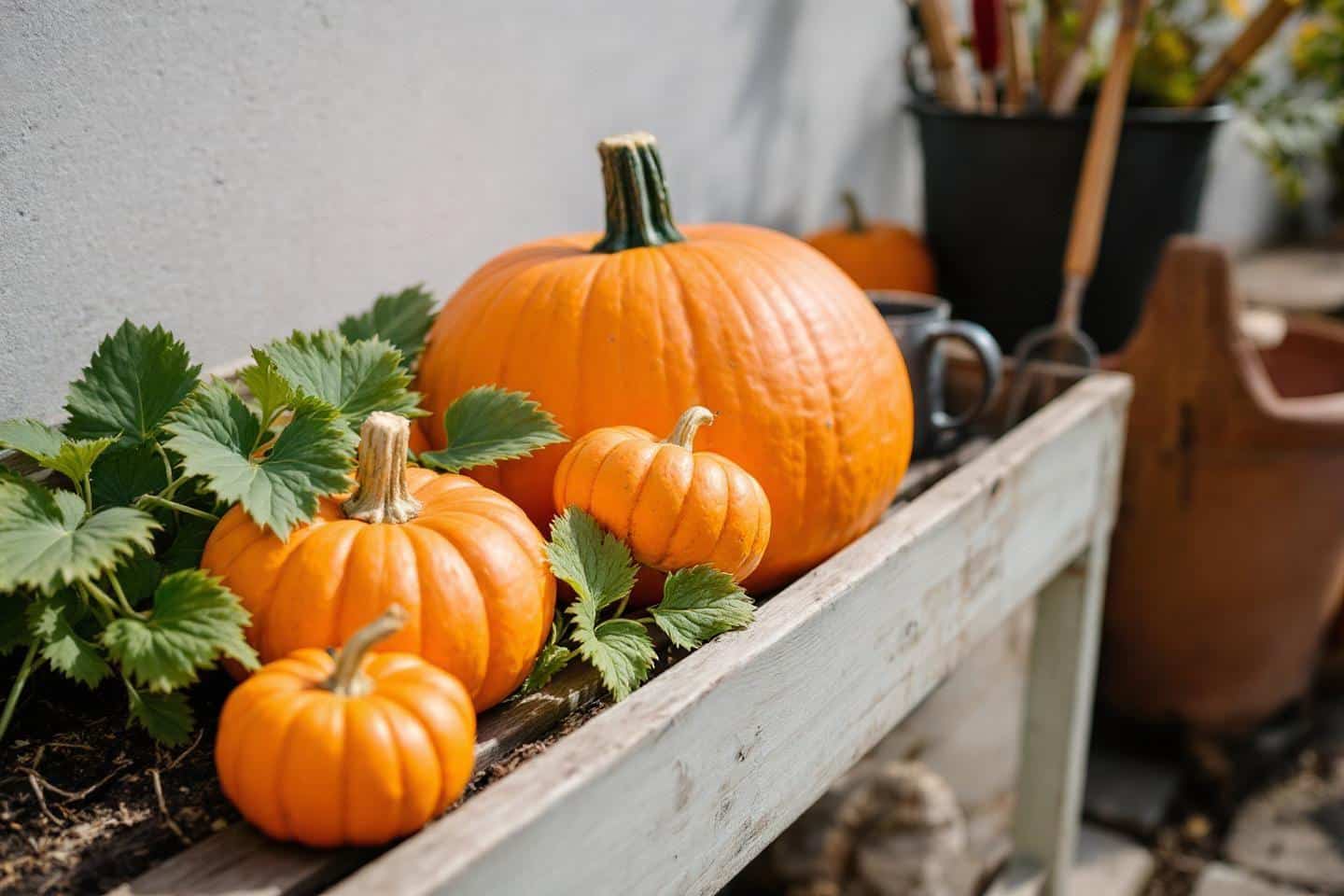
Growing prize-winning pumpkins requires more than just good soil and sunshine. The nutritional needs of these vigorous plants change throughout their growing season, making fertilizer selection and application timing critical factors in producing healthy vines and impressive fruits. Whether you’re cultivating giant competition specimens or smaller varieties for autumn decorations, understanding what nutrients your pumpkin plants need at each growth stage will dramatically improve your harvest results.
Understanding pumpkin nutritional requirements throughout the growing season
Pumpkin plants are heavy feeders that demand substantial nutrients to support their expansive vine growth and fruit development. The nutritional requirements shift as plants progress through different developmental phases, requiring gardeners to adjust their feeding strategies accordingly.
During the early vegetative stage, pumpkins prioritize nitrogen-rich fertilizers to establish robust vine growth and abundant foliage. This initial phase typically lasts four to six weeks after transplanting, during which nitrogen supports the production of chlorophyll and amino acids essential for photosynthesis. A balanced fertilizer with an NPK ratio of 10-10-10 or similar formulation provides adequate nutrition without overstimulating leaf production at the expense of flowering.
As plants transition to flowering and fruit set, phosphorus becomes increasingly important for supporting root development, flower formation, and initial fruit growth. During this critical period, switching to a formulation with higher phosphorus content, such as 5-15-5, encourages productive blooming and successful pollination. Potassium also gains prominence during fruit development, strengthening cell walls and improving disease resistance while enhancing the quality and storage characteristics of mature pumpkins.
The fruiting stage demands potassium-dominant nutrition to support rapid fruit expansion and sugar accumulation. Many experienced growers apply fertilizers with ratios like 5-10-15 during this phase, reducing nitrogen to prevent excessive vine growth that diverts energy from fruit maturation. This strategic nutritional shift helps produce larger, healthier pumpkins with better color and longer storage potential.
Comparing organic and synthetic fertilizer options for optimal results
The choice between organic and synthetic fertilizers significantly impacts both immediate plant response and long-term soil health. Each approach offers distinct advantages that suit different gardening philosophies and growing conditions.
Organic fertilizers such as composted manure, bone meal, and fish emulsion release nutrients gradually through microbial decomposition. These amendments improve soil structure, enhance water retention, and support beneficial microorganism populations that contribute to overall plant health. Composted cow or chicken manure provides balanced nutrition while adding valuable organic matter that improves soil tilth. Blood meal serves as an excellent nitrogen source during early growth, while bone meal supplies phosphorus for flowering and fruiting phases.
Synthetic fertilizers deliver precisely measured nutrient ratios with predictable release patterns, allowing for targeted nutritional interventions throughout the growing season. These products dissolve quickly, providing immediate availability to plant roots, which proves particularly valuable when addressing specific deficiencies or supporting rapid growth during optimal conditions. Water-soluble granular formulations offer convenience and control, enabling gardeners to adjust feeding programs based on plant response and soil test results.
| Fertilizer type | Release speed | Duration | Best application stage |
|---|---|---|---|
| Composted manure | Slow | All season | Pre-planting soil preparation |
| Blood meal (12-0-0) | Medium-fast | 4-6 weeks | Early vegetative growth |
| Bone meal (3-15-0) | Medium | 8-12 weeks | Flowering and fruit set |
| Synthetic granular | Fast | 2-4 weeks | Any stage for quick correction |
| Kelp meal | Slow-medium | 6-10 weeks | Throughout season for micronutrients |
Many successful pumpkin growers adopt hybrid approaches that combine organic soil amendments with targeted synthetic applications. This strategy builds soil fertility over time while maintaining flexibility to address immediate nutritional needs during critical growth periods.
Application techniques and timing for maximum pumpkin production
Proper fertilizer application methods and scheduling directly influence nutrient uptake efficiency and ultimately determine harvest success. Strategic feeding programs aligned with plant developmental stages produce superior results compared to generic maintenance schedules.
Begin soil preparation several weeks before planting by incorporating aged compost or composted manure at a rate of two to four inches throughout the planting area. This foundational amendment establishes baseline fertility and improves soil structure for the entire growing season. Soil testing conducted during this preparation phase reveals existing nutrient levels and pH status, allowing for targeted corrections before transplanting begins.
At planting time, side-dress transplants with a balanced starter fertilizer positioned four to six inches from stems to avoid root burn. This initial feeding supports establishment without overwhelming young plants. As vines begin expanding, apply nitrogen-rich fertilization every two to three weeks to fuel vigorous vegetative growth, maintaining consistent moisture to facilitate nutrient uptake.
When flowers appear, transition to phosphorus-enhanced formulations and reduce feeding frequency to every three to four weeks. The following application schedule optimizes nutrition throughout the growth cycle :
- Weeks 1-3 after transplanting : balanced 10-10-10 fertilizer at half strength weekly
- Weeks 4-6 : full-strength nitrogen-focused feeding biweekly
- Weeks 7-10 (flowering) : phosphorus-rich 5-15-5 formulation every three weeks
- Weeks 11-maturity : potassium-dominant 5-10-15 monthly until three weeks before harvest
Discontinue feeding approximately three weeks before anticipated harvest to allow fruits to mature properly and develop optimal flavor characteristics. Late-season nitrogen applications can delay maturity and reduce storage quality.
Recognizing and addressing common nutrient deficiencies in pumpkin plants
Visual symptoms provide valuable diagnostic information about nutritional status, enabling timely corrective interventions. Understanding deficiency patterns helps growers distinguish between nutritional issues and disease problems that require different treatment approaches.
Nitrogen deficiency manifests as general yellowing of older leaves, starting from the bottom of plants and progressing upward as mobile nitrogen relocates to newer growth. Stunted vine development and reduced leaf size accompany this chlorosis. Apply nitrogen-rich fertilizers or foliar sprays containing urea to quickly remedy this condition, which commonly occurs in sandy soils or after heavy rainfall leaches nutrients from the root zone.
Phosphorus deficiency produces purple or reddish discoloration on leaf undersides and stems, particularly in cooler conditions that impair phosphorus uptake. Slow growth and delayed flowering indicate inadequate phosphorus availability. Bone meal or rock phosphate applications address this deficiency, though cold soil temperatures may require warming before plants can effectively absorb phosphorus regardless of availability.
Potassium deficiency appears as marginal leaf scorch with yellowing and browning along leaf edges while interior tissue remains green. Fruits may develop poorly with thin walls and reduced size. Potassium sulfate or wood ash applications correct this condition, improving overall plant vigor and fruit quality. Maintaining proper soil pH between 6.0 and 6.8 ensures optimal nutrient availability and prevents deficiency symptoms caused by chemical immobilization rather than actual shortage.
Micronutrient deficiencies, though less common, occasionally affect pumpkin production. Iron deficiency causes interveinal chlorosis on young leaves, while magnesium shortage produces similar patterns on older foliage. Chelated micronutrient sprays or complete organic fertilizers containing trace elements prevent these issues in most growing situations.