
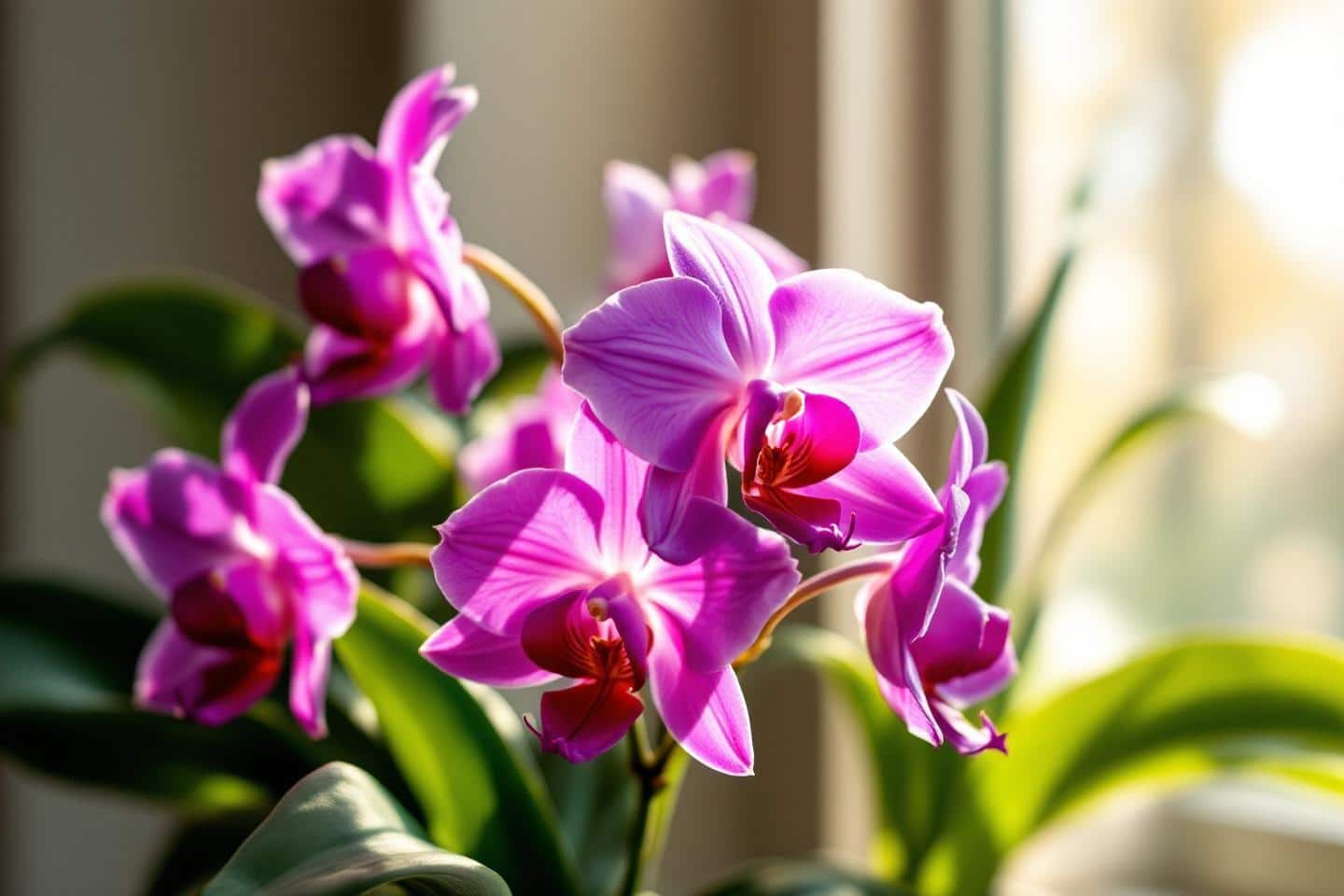
Orchids captivate plant enthusiasts worldwide with their exotic blooms and elegant appearance. Yet many owners struggle with proper hydration techniques for these tropical beauties. Understanding the unique moisture requirements of these epiphytic plants transforms your growing success and extends blooming periods significantly. Unlike conventional houseplants that grow in soil, most orchids naturally thrive on tree bark in humid rainforest environments, which fundamentally changes their relationship with water.
The key to successful orchid care lies in replicating their native habitat conditions where roots receive moisture from rain and morning dew, followed by quick drainage and air circulation. Overwatering remains the primary cause of orchid mortality among home gardeners. This guide reveals professional techniques for maintaining optimal hydration levels while preventing common pitfalls that lead to root rot and fungal infections.
Understanding orchid water needs
The watering frequency for your orchid depends on several environmental factors including temperature, humidity levels, potting medium composition, and container type. Phalaenopsis orchids, the most common variety in households, typically require watering once every seven to ten days during active growth periods. However, this timeline shifts considerably based on your specific growing conditions and seasonal changes throughout the year.
During winter months when indoor heating reduces ambient moisture, you might need to water more frequently despite slower growth rates. Conversely, cooler temperatures and higher humidity during spring and autumn may extend the interval between waterings. The potting medium plays an equally critical role in water retention characteristics. Bark-based substrates drain rapidly and dry quickly, while sphagnum moss holds moisture considerably longer, requiring adjustments to your watering schedule accordingly.
Professional growers use the weight test method to determine watering needs accurately. Lift your potted orchid immediately after thorough watering to memorize its heft, then check again several days later. When the container feels noticeably lighter, the medium has dried sufficiently for the next watering cycle. This tactile approach provides more reliable feedback than rigid schedules, which fail to account for environmental variations in your home.
Another reliable indicator involves examining the roots through transparent plastic pots. Healthy orchid roots appear silvery-green when dry and transform to vibrant green when adequately moistened. White or silver roots signal readiness for water, while dark green indicates sufficient moisture remains. This visual assessment technique works exceptionally well for Cattleya and Dendrobium species, which prefer slightly drier conditions between waterings compared to moisture-loving Phalaenopsis varieties.
Proper watering techniques for optimal growth
The morning hours provide the ideal timeframe for orchid watering, allowing foliage and crowns to dry completely before nighttime temperatures drop. This timing reduces the risk of fungal diseases and bacterial infections that proliferate in cool, damp conditions. Always use room temperature water rather than cold tap water, which can shock sensitive root systems and stress the plant unnecessarily.
The soaking method delivers superior results compared to surface watering for most orchid types. Place your potted orchid in a sink or container and fill with water until it reaches the pot rim, allowing the growing medium to absorb moisture thoroughly for ten to fifteen minutes. This technique ensures complete saturation of the root zone while flushing away accumulated mineral salts from fertilizers and hard water deposits.
After soaking, allow excess water to drain completely before returning the plant to its decorative cover or saucer. Never permit orchids to sit in standing water, as saturated roots quickly suffocate and develop rot. The drainage phase proves equally important as the watering itself, maintaining the balance between hydration and aeration that orchid roots require for healthy development and nutrient absorption.
| Orchid variety | Watering frequency | Special considerations |
|---|---|---|
| Phalaenopsis | 7-10 days | Prefers consistent moisture without complete drying |
| Cattleya | 10-14 days | Requires dry period between waterings |
| Dendrobium | 5-7 days in summer | Seasonal water reduction promotes blooming |
| Oncidium | 7-10 days | Pseudobulbs store water for drought tolerance |
Common watering mistakes to avoid
Crown rot develops when water accumulates in the central growing point of monopodial orchids like Phalaenopsis and Vanda species. After watering, carefully blot away any moisture trapped between leaves using absorbent paper towels or cotton swabs. This preventive measure takes mere seconds but protects against potentially fatal fungal infections that spread rapidly through plant tissues once established.
Ice cube watering has gained popularity through marketing campaigns, yet this method contradicts orchid biology and natural habitat conditions. These tropical plants never experience frozen water in their native rainforest environments. The gradual melting process provides insufficient moisture volume for adequate root hydration while subjecting sensitive tissues to unnecessary cold stress that damages cellular structures over time.
Hard water containing high mineral concentrations gradually builds up white crusty deposits on roots, potting media, and container interiors. These accumulated salts interfere with nutrient uptake and can chemically burn delicate root tips. Consider using the following alternatives for improved water quality :
- Rainwater collected in clean containers provides naturally soft water ideal for orchids
- Distilled or reverse osmosis water eliminates mineral content completely
- Filtered tap water removes chlorine and reduces mineral concentrations significantly
- Overnight standing allows chlorine to dissipate from municipal water supplies
Adjusting hydration throughout the year
Seasonal variations dramatically influence orchid water requirements as temperature fluctuations and daylight duration trigger natural growth cycles. During active growing seasons in spring and summer, increased photosynthesis and metabolic activity demand more frequent watering to support vigorous root development and new leaf production. Monitor your plants closely during these periods for signs of dehydration including wrinkled pseudobulbs or limp foliage.
The dormancy period in late autumn and winter requires reduced watering frequency for many orchid varieties. This rest phase mimics their natural habitat where dry seasons alternate with rainy periods, triggering blooming responses in subsequent months. Dendrobium nobile specifically requires this cool, dry rest to initiate flower spike formation, making seasonal water reduction essential rather than optional for bloom production.
Humidity levels complement your watering routine by reducing transpiration rates and maintaining adequate moisture around aerial roots. Target relative humidity between fifty and seventy percent for optimal results. Grouping orchids together creates beneficial microclimates, while humidity trays filled with pebbles and water provide localized moisture without direct contact with pot bottoms. These environmental adjustments work synergistically with proper watering practices to create ideal growing conditions year-round.