
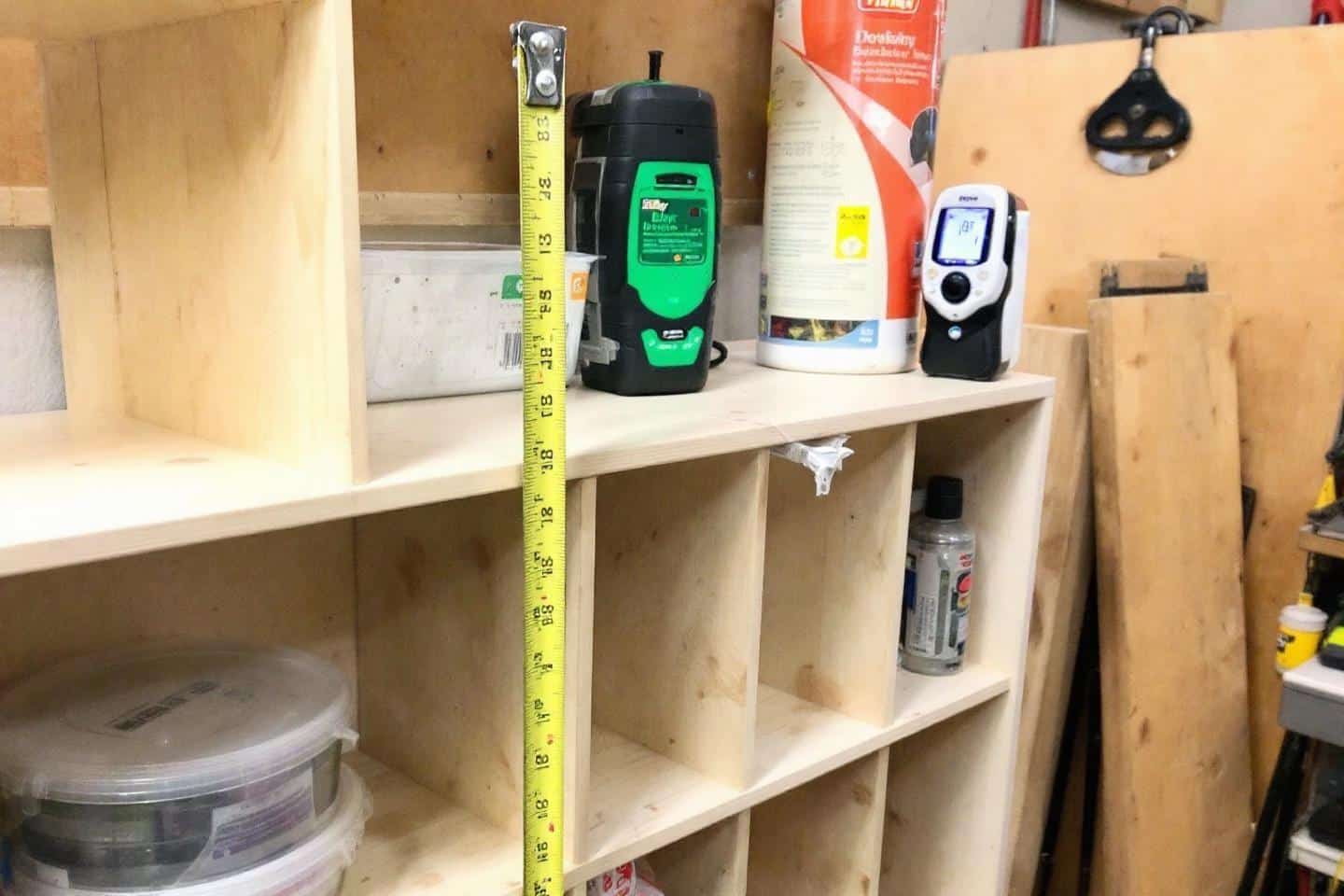
The Billy bookcase from IKEA has become a staple in homes worldwide, offering versatile storage solutions at an affordable price. However, standard heights don’t always fit every space perfectly. Whether you’re dealing with low ceilings, sloped attics, or simply need a custom dimension to fit under a window, shortening your Billy bookcase is entirely achievable with the right approach and tools. This modification allows you to maintain the functionality and aesthetic appeal of this popular furniture piece while adapting it to your specific requirements.
Before diving into the cutting process, understanding the construction and materials of your bookcase is essential. The Billy series features particleboard panels with a laminate finish, which requires careful handling to prevent chipping or damage during modification. With proper planning and execution, you can transform your oversized bookcase into a perfectly proportioned storage unit that seamlessly integrates into your living space.
Planning your Billy bookcase modification
The first step in customizing your bookcase height involves careful measurement and planning. Begin by determining exactly how much you need to remove from the overall height. Measure your available space multiple times to ensure accuracy, accounting for baseboards, crown molding, or any architectural features that might affect the final positioning. Remember that removing material from furniture is permanent, so double-checking your measurements prevents costly mistakes.
Consider which sections of the bookcase you’ll modify. Most people choose to shorten the vertical side panels equally from the bottom, maintaining the original proportions and shelf positioning. This approach preserves the factory-drilled holes for shelf pins, allowing you to keep the adjustable shelf system intact. Alternatively, you might remove height from the top if your design requires it, though this demands relocating the top panel attachment points.
Creating a detailed cutting plan helps visualize the final result. Sketch your modified bookcase with precise dimensions, noting where cuts will occur and how components will reassemble. This blueprint serves as your roadmap throughout the project and helps identify potential challenges before you make irreversible cuts. Account for the thickness of saw blades when calculating cut lines, as this kerf width typically measures about 1/8 inch and affects final dimensions.
| Billy bookcase model | Standard height | Common shortened height | Material removed |
|---|---|---|---|
| Billy basic | 79 1/8 inches | 72 inches | 7 1/8 inches |
| Billy with extension | 93 1/4 inches | 84 inches | 9 1/4 inches |
| Billy narrow | 79 1/8 inches | 70 inches | 9 1/8 inches |
Essential tools and materials for the project
Gathering the right equipment before starting ensures a smooth workflow and professional results. The primary tool you’ll need is a circular saw or table saw with a fine-tooth blade designed for laminated materials. These blades minimize chipping along the cut edge, preserving the finished appearance of the laminate surface. A straightedge or cutting guide helps maintain perfectly straight cuts, which is crucial for stability and aesthetics.
Beyond cutting tools, you’ll require several supporting materials and instruments. Here’s what you should have on hand :
- Measuring tape and pencil for marking precise cut lines on all panels
- Masking tape or painter’s tape to apply along cut lines, reducing laminate chipping
- Sandpaper in various grits (80, 120, and 220) for smoothing cut edges
- Wood filler or edge banding to finish exposed particleboard edges professionally
- Clamps and sawhorses for securing pieces during cutting operations
- Safety equipment including goggles and dust mask to protect yourself from particleboard dust
If you’re planning to refinish cut edges for a seamless appearance, consider purchasing iron-on edge banding that matches the original laminate color. This material applies with heat and creates a finished look identical to factory edges. Additionally, having a household iron and sharp utility knife facilitates the edge banding application process, allowing you to trim excess material cleanly.
Executing the cutting and reassembly process
With your plan finalized and tools assembled, you’re ready to begin the physical modification. Start by disassembling your Billy bookcase if it’s already constructed, or work with unassembled panels if you’re modifying before assembly. Mark your cut lines precisely on both side panels, ensuring they’re identical to maintain balance and stability. Apply masking tape along and slightly beyond the cut line on the laminate surface to minimize chipping during sawing.
When making cuts, position the laminate side facing up if using a circular saw, or down if using a table saw, as teeth enter from different directions depending on the tool. Work slowly and steadily, letting the saw do the work without forcing the blade through the material. Support both sides of the cut to prevent the panel from binding or breaking as you complete the cut. After cutting, carefully remove the masking tape and inspect the edges for any minor imperfections.
Finishing the cut edges transforms raw particleboard into professional-looking surfaces. Sand the edges progressively with increasingly fine grits, starting with 80-grit to remove roughness and finishing with 220-grit for smoothness. If applying edge banding, cut strips slightly longer than needed, position them carefully over the exposed edge, and use a heated iron to activate the adhesive backing. Once cooled, trim excess banding with a sharp utility knife held at a slight angle to create clean, flush edges that blend with the original laminate.
Reassemble your shortened bookcase following the original instructions, but adjust for your modified dimensions. The shelf pin holes should align correctly if you’ve cut from the bottom, allowing you to configure shelves as originally designed. Ensure all connections are secure and the unit stands level before loading it with books or decorative items. Your customized Billy bookcase now fits your space perfectly while maintaining its structural integrity and visual appeal.