
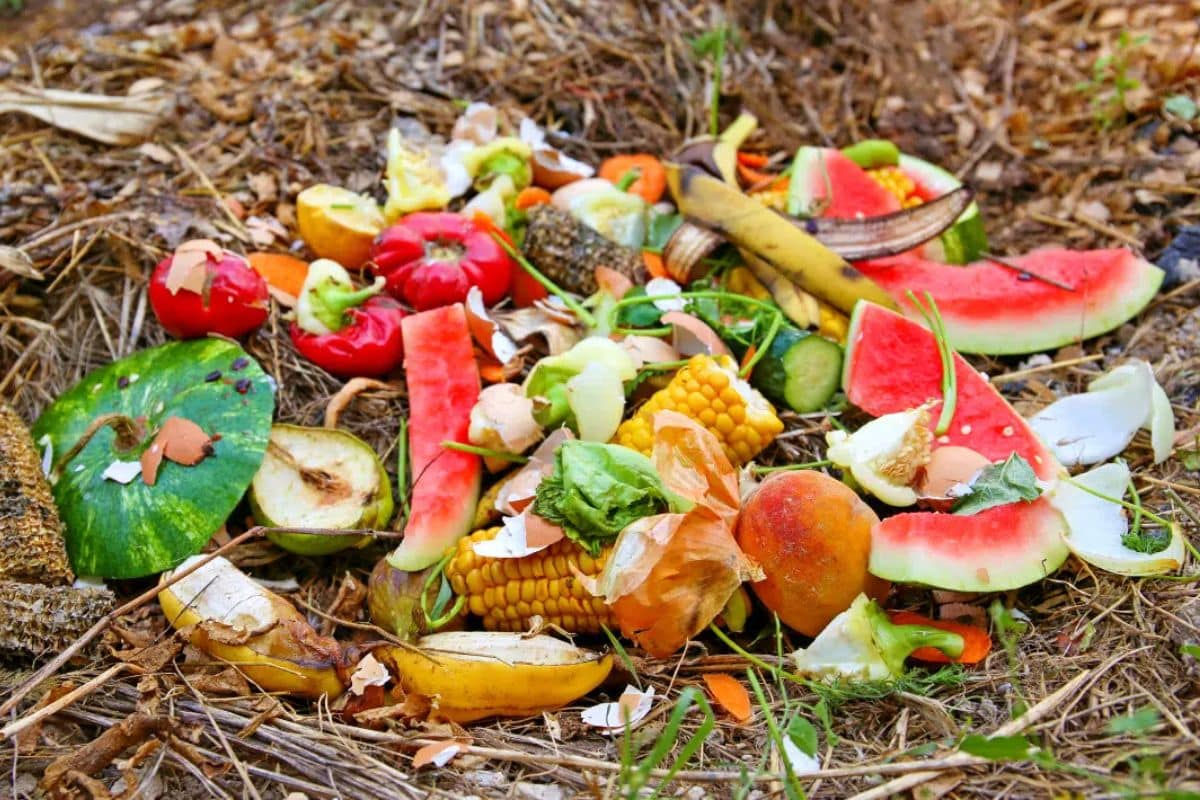
Garden enthusiasts have long searched for effective ways to control slugs without harming the environment. While many organic gardeners automatically toss melon rinds into their compost bins, these fragrant peels actually serve a remarkable purpose when strategically placed around vulnerable plants. This unexpected discovery transforms what was once considered mere waste into a powerful tool for managing one of gardening’s most persistent challenges.
How watermelon and cantaloupe rinds attract and trap slugs
The science behind this natural pest control method lies in understanding slug behavior patterns. These nocturnal mollusks actively seek out moisture-rich environments and residual sugars that remain on fruit peels. When melon rinds are positioned flat on the soil surface near susceptible crops, they create an irresistible feeding station for these garden visitors during nighttime hours.
The beauty of this technique stems from its targeted approach. Rather than broadcasting deterrents across entire garden beds, strategists position melon peels specifically where protection is needed most. Slugs congregate underneath these temporary shelters, allowing gardeners to collect and relocate them during morning inspections. This method differs fundamentally from toxic baits that harm beneficial organisms sharing the same ecosystem.
Beyond melons, apples and pears demonstrate similar attractant properties. The fermentation process that begins as these fruits decompose releases compounds that slugs find particularly appealing. This concentration effect makes manual removal remarkably efficient compared to searching through dense foliage for individual specimens. The practice requires minimal investment while yielding consistent results throughout growing seasons.
Physical barriers and companion planting strategies
Combining fruit peel traps with mechanical deterrents creates multiple defense layers. Crushed eggshells form jagged perimeters that slugs hesitate to cross, though effectiveness varies with shell fragment size and weather conditions. Similarly, wood ash or diatomaceous earth establishes abrasive boundaries, though both require reapplication after rainfall to maintain protective properties.
Copper barriers generate mild electrical impulses when slug mucus contacts the metal surface. This electrochemical reaction creates an unpleasant sensation without causing permanent harm, encouraging mollusks to seek alternate routes. These barriers work particularly well around raised beds or container gardens where perimeter control proves more manageable than sprawling plot protection.
| Barrier type | Effectiveness rating | Maintenance frequency |
|---|---|---|
| Crushed eggshells | Moderate | Monthly or after heavy rain |
| Copper strips | High | Annual cleaning |
| Wood ash | Moderate to high | After each rainfall |
| Coffee grounds | Low to moderate | Weekly |
Aromatic herbs serve dual purposes by flavoring meals while repelling unwanted visitors. Thyme, sage and tansy release volatile essential oils that slugs find disagreeable. Interplanting these perennials among lettuce rows or surrounding strawberry patches creates living boundaries that require no removal or replacement. This strategy mirrors natural pest management techniques, similar to how certain scents deter other unwanted creatures, much like specific aromas repel rodents from indoor spaces.
Integrating multiple organic control methods
Beer traps generate debate among sustainable gardening communities. While fermented grain beverages undeniably attract certain slug species, concerns arise regarding unintended casualties. Beneficial ground beetles and other predatory insects sometimes fall victim to these liquid traps, potentially disrupting natural predator-prey relationships that would otherwise regulate slug populations organically.
Coffee grounds demonstrate variable effectiveness depending on caffeine concentration and application thickness. Fresh grounds contain higher alkaloid levels that deter slugs more successfully than composted material. Spreading grounds around plant bases creates mildly acidic barriers while simultaneously enriching soil as organic matter breaks down over subsequent weeks.
Sacrificial planting with nasturtiums and marigolds redirects slug attention toward less valuable species. These trap crops concentrate damage in designated areas, protecting primary vegetables from significant harm. French marigolds specifically emit root exudates that suppress certain nematode populations while their foliage discourages aphid colonization, offering compound benefits beyond slug management alone.
Creating welcoming environments for natural predators enhances ecological balance. Ground beetles, frogs and hedgehogs consume considerable slug quantities throughout active seasons. Maintaining modest brush piles and leaving portions of gardens slightly wild provides habitat for these beneficial allies, much like establishing feeding stations encourages helpful wildlife, similar to considerations involved when attracting hummingbirds to gardens.
Practical implementation guidelines for maximum effectiveness
Successful slug management requires consistent monitoring and adaptive responses. Checking melon rind traps each morning allows removal before collected slugs disperse back into vegetation. Disposal methods vary by gardener preference, from relocating specimens far from cultivated areas to dispatching them quickly and humanely.
Timing applications according to seasonal patterns improves outcomes significantly. Spring and autumn bring increased slug activity as moderate temperatures and abundant moisture create ideal conditions. Intensifying protective measures during these peak vulnerability periods prevents population explosions that overwhelm even well-designed systems.
Key implementation steps include :
- Position melon rinds flat against soil near high-value crops at dusk
- Inspect traps at dawn when slugs remain concentrated
- Replace rinds every two to three days as effectiveness diminishes
- Rotate trap locations weekly to address shifting population movements
- Combine with companion plantings for enhanced protection
Understanding that different slug species respond variably to control methods prevents frustration when results seem inconsistent. Large European slugs may require different approaches than smaller native species. Observing which techniques yield best results in specific gardens allows customization based on local pest assemblages rather than following generic recommendations blindly.
This rediscovery of traditional agricultural wisdom demonstrates how simple observations transform waste streams into valuable resources. By viewing gardens as interconnected systems rather than battlegrounds requiring chemical intervention, cultivators develop resilient spaces where plants thrive alongside diverse organisms. The humble melon peel exemplifies how nature provides elegant solutions when we pause to observe and learn from patterns already present in our immediate environments.