
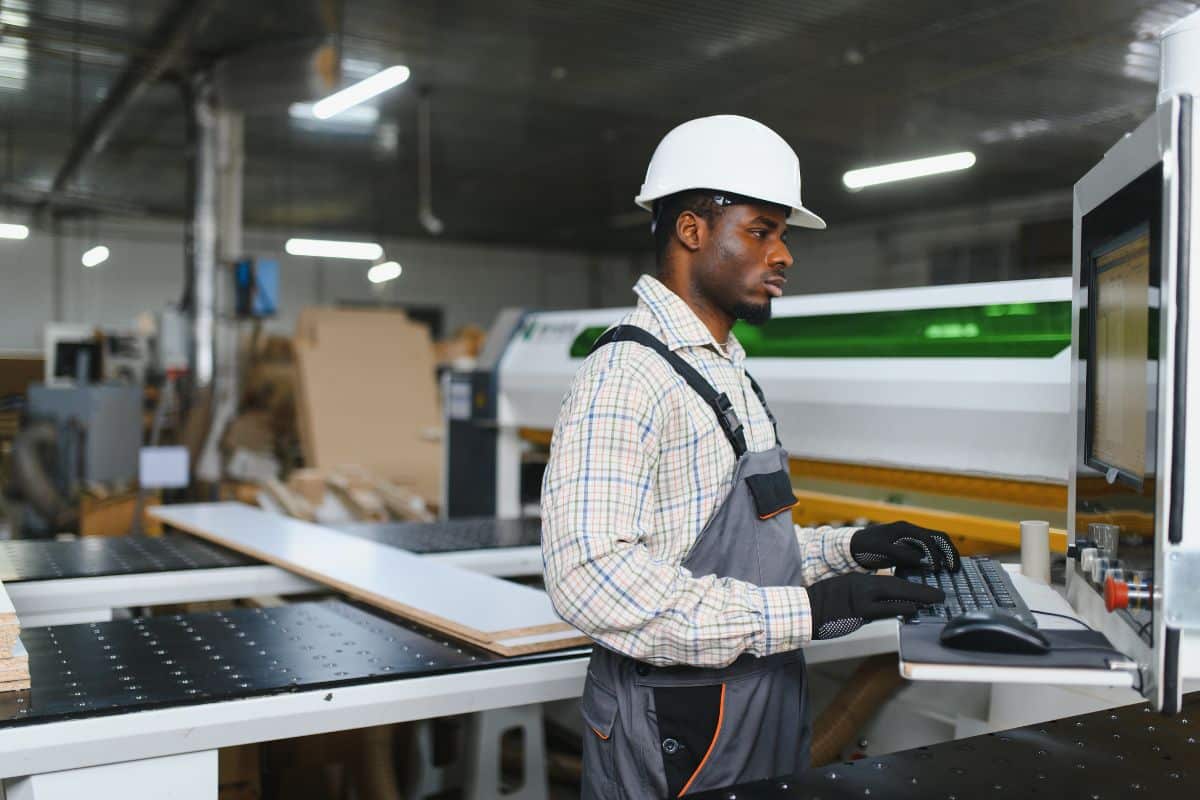
The 2019 documentary produced by the streaming giant offers viewers an intimate glimpse into the complex dynamics of global manufacturing and consumer culture. When a Chinese glass manufacturer reopens a shuttered General Motors plant in Ohio, the resulting cultural clash and labor practices force us to confront uncomfortable truths about the products we purchase daily. This Oscar-winning film serves as a powerful catalyst for examining how our buying decisions ripple through economies, communities, and individual lives across the world.
The documentary follows Fuyao Glass Industry Group’s ambitious attempt to revive American manufacturing while maintaining Chinese business practices. Through this lens, viewers witness firsthand the human cost of cheap production and the compromises workers make to secure employment in economically devastated regions.
The hidden story behind everyday purchases
Every windshield, smartphone screen, and household appliance carries an invisible narrative of production conditions, worker treatment, and environmental impact. The film brilliantly illustrates how consumer demand for affordable goods creates pressure throughout the supply chain, ultimately affecting factory workers in Dayton, Ohio, and beyond. When we prioritize price over all other considerations, we inadvertently support systems that may compromise worker safety, fair wages, and reasonable working conditions.
The documentary reveals stark contrasts between American and Chinese labor expectations. Chinese workers at Fuyao often work twelve-hour shifts with minimal breaks, accepting conditions that American employees find unacceptable. This disparity highlights a fundamental question : should consumers bear responsibility for understanding production circumstances ? The film suggests that ignorance is no longer a viable excuse in our interconnected global economy.
| Aspect | Traditional consideration | Conscious consideration |
|---|---|---|
| Price | Lowest available | Fair value reflecting production costs |
| Quality | Durability for personal use | Manufacturing standards and worker conditions |
| Brand | Status and reputation | Corporate ethics and transparency |
| Origin | Rarely considered | Supply chain awareness |
Chairman Cao Dewang’s management philosophy demonstrates how corporate priorities directly influence worker experiences. His focus on efficiency and profitability mirrors practices common across global manufacturing, raising questions about whether current business models can coexist with human dignity and fair treatment. The film doesn’t offer easy answers but compels viewers to recognize their role in perpetuating or challenging these systems.
Understanding the ripple effects of purchasing decisions
When American consumers choose products based solely on price, they unknowingly participate in a race to the bottom that affects workers worldwide. The documentary showcases how Fuyao workers initially celebrated job opportunities, only to face disappointment when wages and conditions failed to meet expectations. This pattern repeats across industries and continents, demonstrating that purchasing power carries ethical weight beyond the transaction itself.
The film captures poignant moments of American workers grappling with reduced circumstances. One former GM employee describes earning $29 hourly before the plant closure, compared to $14 at Fuyao. These wage differences aren’t abstract statistics but represent real impacts on families, communities, and regional economies. When consumers consistently choose cheaper alternatives, they contribute to downward pressure on labor standards and compensation.
Consider the broader implications of manufacturing choices :
- Economic stability : supporting companies with fair labor practices helps maintain middle-class jobs and community prosperity
- Environmental responsibility : manufacturers cutting costs often compromise ecological standards and sustainability measures
- Worker safety : pressure to reduce prices frequently results in inadequate safety protocols and rushed production schedules
- Cultural preservation : local manufacturing traditions and skilled craftsmanship disappear when production moves to lowest-cost providers
The documentary illustrates how globalization creates winners and losers, with consumers wielding significant influence over outcomes through their purchasing patterns. Yet most buyers remain disconnected from production realities, making decisions in retail environments designed to obscure rather than illuminate supply chain conditions.
Practical steps toward conscious consumption
The film doesn’t simply highlight problems; it implicitly challenges viewers to reconsider their relationship with consumption. Becoming an informed and intentional consumer requires effort but creates meaningful change over time. Research brands before purchasing, prioritizing companies demonstrating genuine commitment to fair labor practices, environmental stewardship, and transparent operations.
Supporting certified products provides assurance that purchases align with ethical standards. Organizations like Fair Trade International, B Corporation, and various industry-specific certifications verify that companies meet rigorous criteria for worker treatment and environmental responsibility. While certified products may cost more initially, they represent true value by accounting for externalized costs that cheaper alternatives ignore.
Quality over quantity represents another powerful principle illustrated throughout the documentary. Rather than frequently replacing inexpensive items manufactured under questionable conditions, investing in durable goods from responsible producers reduces overall consumption while supporting better business practices. This approach challenges prevailing consumer culture but aligns with sustainability goals and ethical considerations.
Engaging with local and regional manufacturers whenever possible creates accountability and connection. When production occurs nearby, consumers can more easily verify conditions and practices, while supporting community economic development. The documentary’s Dayton setting reminds viewers that manufacturing choices directly impact real communities and families, not abstract economic concepts. By choosing thoughtfully and researching thoroughly, consumers transform purchasing power into positive influence, creating demand for ethical production that benefits workers, communities, and future generations worldwide.