
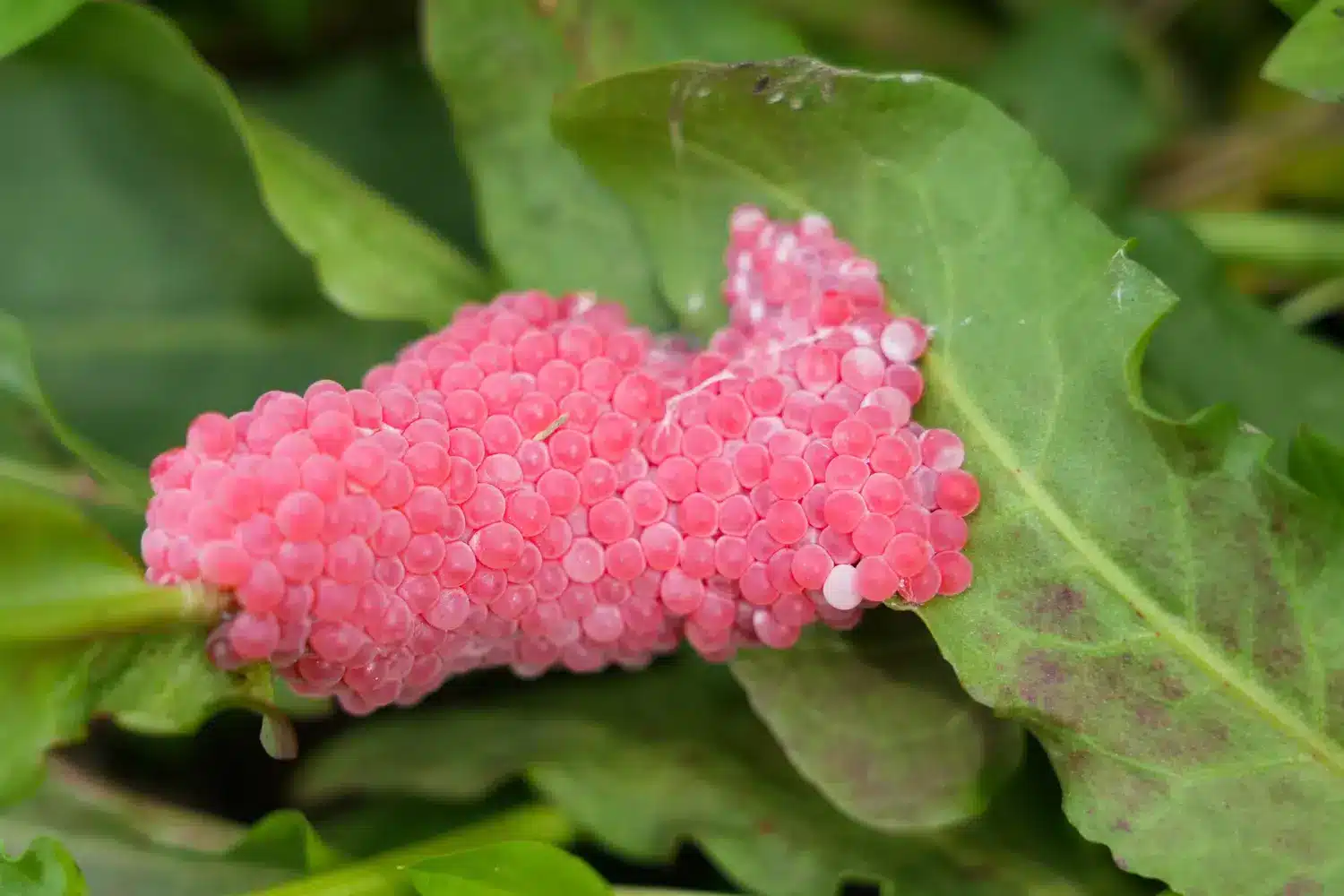
Across residential landscapes and water features, small clusters of bright pink eggs are appearing with increasing frequency, catching homeowners off guard. These vibrant spheres, though visually striking, represent a serious ecological threat that requires immediate attention and swift response. Understanding what these eggs signify and implementing proper control measures can prevent widespread environmental damage to your property and surrounding ecosystems.
Understanding the golden apple snail invasion
The vivid pink egg clusters belong to Pomacea canaliculata, an aquatic gastropod commonly referred to as the golden apple snail. This species has demonstrated remarkable invasive capabilities since its initial introduction through pet trade channels. Originally native to South American waterways, these mollusks have successfully colonized territories throughout North America, establishing populations in regions where natural predators remain absent.
What distinguishes this species from native gastropods is its exceptional reproductive capacity. A single female can deposit thousands of eggs throughout her lifespan, creating exponential population growth within a matter of months. The distinctive coloration serves a dual purpose—warning potential predators of toxicity while simultaneously making detection easier for vigilant property owners. These egg masses typically appear on surfaces above water lines, including garden walls, aquatic vegetation, fountain edges, and artificial structures like decorative bridges.
The species exhibits unusual versatility in habitat requirements. Unlike most aquatic snails confined to underwater environments, these gastropods venture onto terrestrial surfaces to feed on surrounding vegetation. This amphibious behavior allows them to exploit diverse food sources while maintaining aquatic breeding sites. Their ability to survive in both wet and relatively dry conditions makes virtually no garden environment completely immune to colonization once introduced to an area.
Since receiving prohibited status across multiple jurisdictions in the early 2010s, enforcement efforts have struggled to contain spread patterns. Initial documentation in certain regions occurred around mid-2018, though experts suspect earlier undetected introductions. The absence of effective natural population controls in non-native environments creates ideal conditions for rapid establishment and subsequent ecological disruption.
Ecological damage and health hazards
The environmental consequences of apple snail colonization extend far beyond simple vegetation loss. These voracious feeders systematically destroy aquatic plant communities that form the foundation of healthy water ecosystems. When submerged vegetation disappears, harmful algae blooms proliferate rapidly, consuming dissolved oxygen and releasing toxins that threaten fish populations, wildlife, and even humans who encounter contaminated water sources.
Garden water features face multiple degradation pathways. Ornamental ponds lose their aesthetic appeal as plants vanish and water clarity diminishes. Fountains and streams become clogged with algae growth while surrounding plantations suffer systematic defoliation. The species shows particular attraction to humid garden zones, though their adaptability allows survival in various moisture conditions, expanding their potential impact area significantly.
| Impact Category | Specific Effects | Timeframe |
|---|---|---|
| Aquatic vegetation | Complete loss of submerged plants, disrupted oxygen cycles | 2-4 months |
| Water quality | Algae blooms, oxygen depletion, toxin production | 1-3 months |
| Terrestrial plants | Defoliation of ground covers, damaged ornamentals | Ongoing |
| Agricultural crops | Harvest losses, particularly rice cultivation areas | Per season |
Beyond ecosystem disruption, these mollusks pose direct health risks to humans and domestic animals. They serve as intermediate hosts for dangerous parasites, including organisms responsible for eosinophilic meningitis and various liver flukes. Infection pathways include direct contact with contaminated water, accidental ingestion, or handling without appropriate protective equipment. Children playing near affected water features face particular vulnerability due to increased contact likelihood.
Agricultural regions experience severe economic consequences when populations establish. Rice paddies suffer catastrophic damage as snails consume young plants, potentially destroying entire harvests. The financial burden extends beyond immediate crop losses to include long-term control expenses and reduced land productivity. Farming communities in affected areas report substantial economic hardship linked directly to these invasive gastropods.
Essential response protocols
Discovering pink egg masses requires immediate coordinated action rather than delayed consideration. Time-sensitive responses prevent population establishment that becomes exponentially more difficult to manage with each passing reproductive cycle. Property owners should implement the following priority measures upon detection :
- Photograph egg locations and surrounding environment details for documentation purposes
- Contact regional environmental authorities to report findings and request professional assessment
- Isolate affected areas to prevent accidental distribution during routine maintenance activities
- Avoid direct handling of eggs or adult specimens without proper protective gear
- Survey adjacent properties and water features for additional colonies
Professional intervention ensures accurate species identification through laboratory analysis, distinguishing invasive apple snails from harmless native gastropods with similar appearances. Environmental agencies coordinate removal efforts while implementing monitoring programs to track population dynamics across broader geographic areas. Expert handling minimizes ecological disruption while ensuring human safety during containment operations.
Garden management practices require modification in vulnerable zones. Regular inspection schedules become critical for early detection of new introductions. Water feature maintenance protocols should incorporate frequent monitoring of surfaces where eggs typically appear. Plant selection may need adjustment, favoring species less attractive to these gastropods while maintaining landscape aesthetics and functionality.
Building long-term protection strategies
Effective control extends beyond initial discovery responses to encompass sustained vigilance and prevention measures. Regional coordination ensures comprehensive coverage while preventing reintroduction from untreated neighboring properties. Educational initiatives help community members recognize invasion signs and implement appropriate protective responses before problems escalate.
Strategic garden design modifications reduce vulnerability to colonization attempts. Careful water feature placement, habitat management, and thoughtful plant arrangements create less favorable conditions for establishment. Understanding environmental factors affecting all aspects of outdoor space management helps property owners develop resilient landscapes capable of withstanding various ecological pressures.
Community engagement strengthens collective defenses against invasive species introductions. Neighborhood reporting networks, educational workshops, and collaborative monitoring programs create systems capable of rapid threat detection. Partnerships between government agencies, research institutions, and private landowners ensure comprehensive protection strategies that benefit entire regions rather than isolated properties. The presence of these distinctive pink eggs signals broader ecological challenges requiring collective commitment and sustained action to preserve garden health and environmental integrity.