
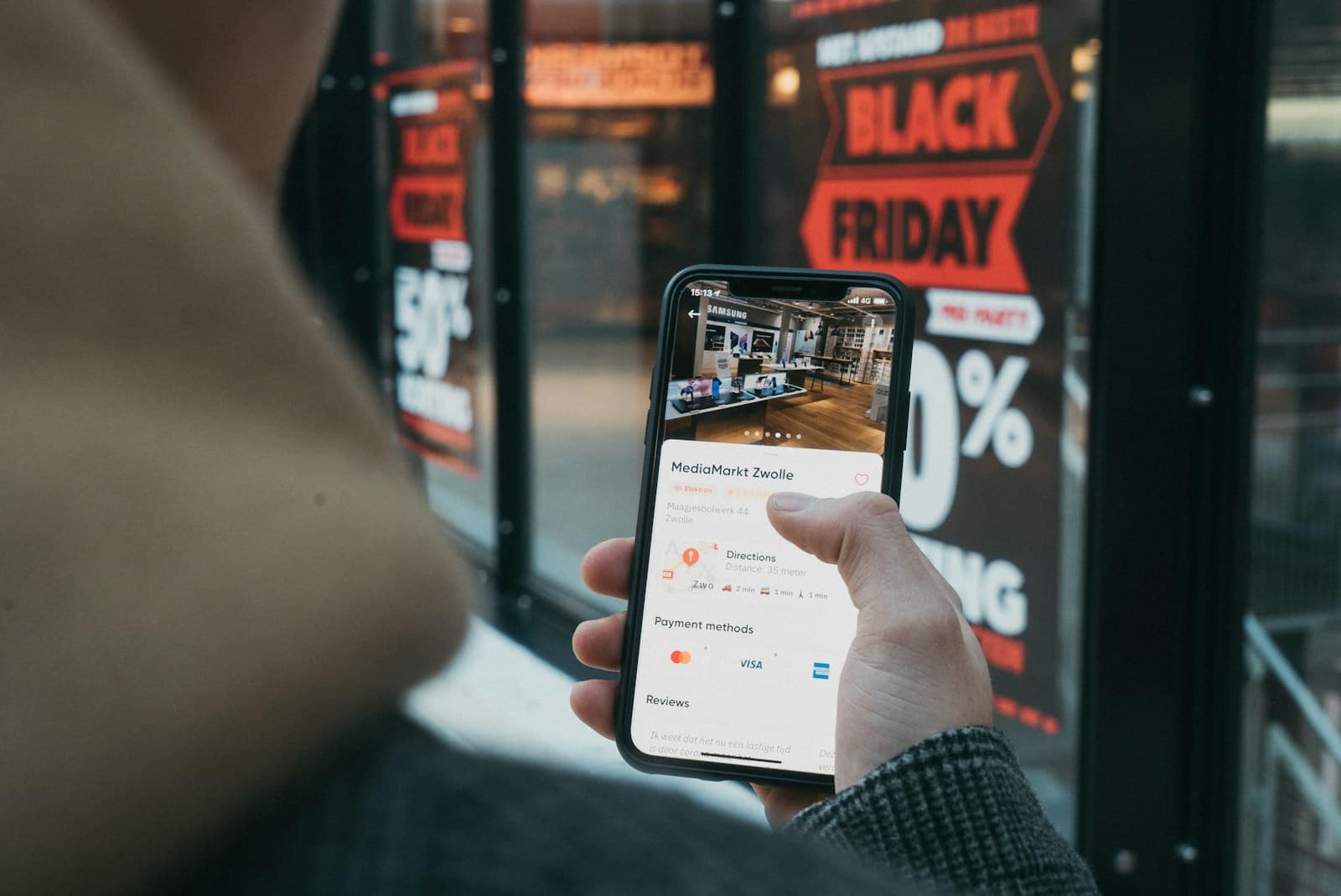
The phenomenon of Black Friday has evolved from a chaotic day of urban disorder into the most anticipated shopping event of the year. This annual tradition, occurring the day after Thanksgiving, carries a fascinating and often bizarre backstory that few consumers understand. The origins of this retail phenomenon reveal a complex narrative involving financial crises, police jargon, and marketing genius that transformed American consumer culture forever.
The dark origins of the Black Friday name
Contrary to popular belief, the term Black Friday did not initially refer to retailers moving from red ink to black ink in their accounting books. The phrase first emerged in Philadelphia during the 1950s and 1960s, where police officers used it to describe the mayhem that engulfed the city on the day after Thanksgiving. The streets became clogged with hordes of suburban shoppers and tourists flooding downtown in preparation for the Army-Navy football game held on Saturday.
Law enforcement officers dreaded this day because they had to work extended shifts dealing with massive traffic jams, shoplifting incidents, and general disorder. Philadelphia police could not take the day off, and they faced an exhausting day managing the chaos. The term spread through police radio communications and eventually reached local newspapers by the early 1960s. Retailers initially despised the negative connotation, attempting to rebrand it as “Big Friday” without success.
An even earlier reference to Black Friday dates back to September 24, 1869, when financiers Jay Gould and James Fisk attempted to corner the gold market, causing a financial panic. President Ulysses S. Grant intervened by releasing government gold reserves, but the damage created a lasting association between the term and economic turmoil. This historical precedent added layers of meaning to the shopping phenomenon that would emerge decades later.
Evolution from chaos to commercial strategy
The transformation of Black Friday from a day of disorder into a celebrated shopping event represents one of retail history’s most successful rebranding efforts. By the 1980s, merchants had embraced the term and cleverly repositioned its meaning. They promoted the narrative that this was the day when stores finally became profitable for the year, moving from financial losses (red ink) to profits (black ink). This accounting mythology became widely accepted despite its questionable accuracy.
Retailers began implementing strategic tactics to capitalize on post-Thanksgiving shopping fever. The following elements became essential components of the Black Friday experience :
- Doorbusters deals offering deeply discounted items in limited quantities to attract early shoppers
- Extended hours with stores opening as early as midnight or even on Thanksgiving evening
- Loss leaders featuring products sold below cost to drive foot traffic
- Marketing campaigns creating urgency through countdown timers and exclusive previews
- Layaway programs allowing customers to reserve items without immediate full payment
The 1990s marked a turning point when national retailers began coordinating their efforts to create a unified shopping event. Major chains like Walmart, Target, and Best Buy developed increasingly aggressive strategies to outcompete each other. News coverage shifted from focusing on traffic problems to highlighting consumer excitement and incredible bargains, further normalizing the phenomenon.
The psychology and cultural impact of frenzied shopping
The transformation of Black Friday into a cultural institution reveals fascinating insights about consumer psychology and American values. The event taps into primal instincts related to scarcity, competition, and social validation. Shoppers camp outside stores overnight, creating temporary communities bonded by their shared pursuit of deals. This behavior reflects deeper psychological triggers that retailers expertly manipulate.
Academic researchers have identified several psychological factors driving Black Friday behavior. The fear of missing out creates anxiety that compels people to participate even when they lack specific purchasing goals. Social proof validates the experience as thousands of others engage in identical behavior. The thrill of securing a bargain activates reward centers in the brain similar to gambling wins.
The darker aspects of this shopping phenomenon have generated significant controversy over the years. The following comparison illustrates how Black Friday priorities have shifted :
| Decade | Primary focus | Consumer behavior | Retail strategy |
|---|---|---|---|
| 1960s-1970s | Holiday shopping begins | Casual browsing | Normal store hours |
| 1980s-1990s | Discounts and deals | Early morning arrivals | Special promotions |
| 2000s-2010s | Doorbuster mania | Overnight camping | Midnight openings |
| 2020s | Online integration | Multi-channel shopping | Extended sales periods |
Violence and injuries became unfortunate hallmarks of Black Friday events, with trampling incidents, parking lot confrontations, and in-store fights making headlines. These incidents prompted debates about consumerism’s role in society and whether the pursuit of material goods had overshadowed the holiday’s original spirit of gratitude.
Modern adaptations and the digital transformation
The digital revolution fundamentally altered the Black Friday landscape during the 2010s. The introduction of Cyber Monday in 2005 provided an online alternative, but e-commerce eventually blurred the distinction between physical and digital shopping events. Retailers extended sales throughout November, diluting the single-day intensity while expanding revenue opportunities.
The COVID-19 pandemic accelerated existing trends toward online shopping and caused many retailers to permanently close on Thanksgiving Day. Companies like Walmart, Target, and Best Buy announced they would no longer open on Thanksgiving evening, citing employee welfare and changing consumer preferences. This shift marked a significant departure from the previous decade’s race toward earlier opening times.
Contemporary Black Friday now represents a month-long shopping season rather than a single chaotic day. Retailers employ sophisticated data analytics to personalize offers and predict consumer behavior. Social media campaigns generate buzz while allowing customers to preview deals and plan purchases strategically. The phenomenon has become less about physical confrontation and more about digital engagement and strategic consumption patterns that reflect evolving societal values.