
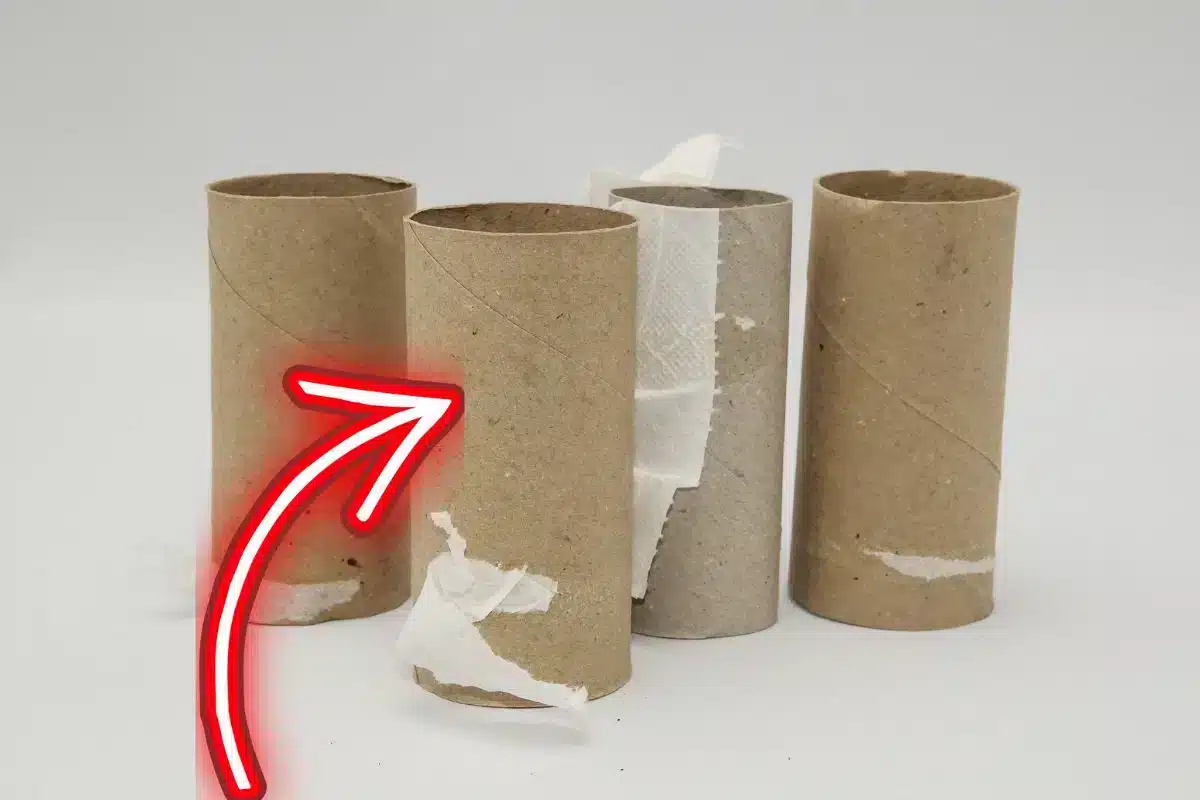
Most households toss cardboard tubes from bathroom tissue straight into the recycling bin, never considering their untapped potential. These cylindrical objects contain remarkable properties that transform garden soil into thriving ecosystems. Gardeners worldwide now recognize these discarded items as powerful composting allies rather than waste products. Understanding how to harness this resource creates opportunities for sustainable growing practices without spending money on commercial amendments.
The simple act of repurposing bathroom waste cardboard generates multiple environmental benefits while enhancing plant vitality. This overlooked material addresses several gardening challenges simultaneously, from improving soil structure to attracting beneficial organisms. Professional horticulturists increasingly recommend incorporating these tubes into composting systems as part of comprehensive soil management strategies.
Why cardboard tubes revolutionize compost chemistry
Successful composting depends on achieving the correct carbon-to-nitrogen ratio, typically around 30 :1 for optimal microbial activity. Kitchen scraps, grass clippings, and fresh plant matter provide abundant nitrogen but create imbalanced piles without sufficient carbon sources. Cardboard toilet rolls deliver concentrated carbon content that counterbalances these nitrogen-rich materials, establishing ideal conditions for rapid decomposition.
The fibrous structure of these tubes serves multiple functions beyond simple carbon contribution. Their porous nature creates air pockets throughout compost piles, preventing anaerobic conditions that produce unpleasant odors and slow breakdown rates. This natural aeration maintains aerobic bacterial populations that efficiently convert organic matter into usable nutrients.
Moisture regulation represents another critical advantage of incorporating cardboard into composting systems. During wet periods, the absorbent fibers soak up excess water that would otherwise create soggy, compacted conditions. Conversely, during dry spells, these same fibers slowly release stored moisture, maintaining consistent humidity levels. This self-regulating mechanism reduces maintenance requirements while optimizing microbial activity throughout seasonal changes.
Before adding tubes to your compost system, ensure they contain only plain cardboard without plastic coatings or excessive adhesives. Clean, unbleached materials decompose most effectively, typically breaking down within three to six months depending on environmental conditions. Shredding or cutting tubes into smaller segments accelerates this timeline, integrating them faster into your composting ecosystem.
| Material type | Carbon-nitrogen ratio | Decomposition time |
|---|---|---|
| Cardboard tubes | High carbon (brown) | 3-6 months |
| Kitchen scraps | High nitrogen (green) | 2-4 weeks |
| Grass clippings | High nitrogen (green) | 1-3 weeks |
| Dry leaves | High carbon (brown) | 6-12 months |
Underground ecosystems and soil-dwelling helpers
Earthworms rank among nature’s most valuable gardening assistants, and cardboard tubes create irresistible habitats for these underground engineers. The decomposing material provides both food and shelter, establishing ideal conditions for worm populations to flourish. As these creatures consume cardboard fibers, they produce castings containing concentrated nutrients in plant-available forms.
The tunneling activity of earthworms dramatically improves soil architecture. Their continuous movement creates extensive channel networks that enhance water infiltration rates and root penetration. Oxygen reaches deeper soil layers through these passages, supporting beneficial aerobic bacteria and root respiration. Plants grown in worm-enriched soil demonstrate superior drought resistance and nutrient uptake compared to those in compacted ground.
Worm castings contain microbial communities that suppress soil-borne plant diseases naturally. These beneficial organisms outcompete harmful pathogens while producing compounds that strengthen plant immune responses. Gardens with robust earthworm populations require fewer chemical interventions, reducing costs and environmental impacts.
The humus produced through worm digestion of cardboard and organic matter improves water retention capacity significantly. This dark, crumbly substance acts like microscopic sponges, holding moisture during dry periods while preventing waterlogging during heavy rainfall. Improved water dynamics reduce irrigation requirements substantially, conserving resources while maintaining plant health.
Practical implementation strategies for maximum results
Direct soil application offers immediate benefits without waiting for complete composting. Bury whole or sectioned tubes around established plants, creating slow-release nutrient zones that feed roots gradually. This technique works exceptionally well for heavy feeders like tomatoes, squash, and flowering perennials requiring sustained nutrition throughout growing seasons.
Sheet mulching with cardboard tubes suppresses weeds while building soil fertility simultaneously. Layer torn pieces over planting areas, covering with additional organic matter like leaves or straw. As these materials decompose, they smother unwanted vegetation while enriching the underlying ground. This method transforms problem areas into productive growing spaces without chemical herbicides.
Indoor composting systems benefit equally from cardboard tube additions. Vermicomposting bins particularly thrive when supplied with appropriate carbon sources. The tubes provide structural support preventing bin compaction while feeding worm populations consistently.
Consider these application methods for optimal results :
- Shred tubes into fine strips mixing easily with existing compost materials
- Create mulch rings surrounding plant bases for targeted nutrient delivery
- Layer whole tubes between green and brown compost components
- Soak pieces in water before adding to accelerate breakdown processes
- Combine with fallen leaves for balanced carbon sources
Long-term sustainability and environmental stewardship
Repurposing bathroom cardboard tubes reduces household waste streams while supporting circular economy principles. Instead of consuming energy through industrial recycling processes, this practice transforms materials directly into garden resources. The environmental footprint of gardening activities decreases substantially through such localized resource management.
Healthy, biologically active soil developed through cardboard composting naturally resists pest infestations and disease pressures. Diverse microbial populations create protective environments around plant roots, reducing dependency on synthetic pesticides and fungicides. This biological approach produces healthier crops while protecting beneficial insect populations and soil organisms.
Gardens treated consistently with cardboard-enriched compost develop deeper topsoil layers over time. This precious growing medium takes centuries to form naturally but develops rapidly through intentional composting practices. Increased organic matter content improves soil resilience against erosion, compaction, and nutrient depletion.
The cumulative benefits of this simple practice extend beyond individual gardens. Communities adopting widespread cardboard composting reduce municipal waste management costs while creating greener, more productive neighborhoods. This grassroots environmental action demonstrates how small household decisions collectively generate significant ecological improvements.