
Kitchen light switches represent one of the most frequently touched yet rarely cleaned surfaces in modern homes. Throughout each day, family members interact with these controls countless times, transferring microorganisms from their hands onto the switch plates. Raw meat residues, vegetable debris, and cooking grease all find their way to these small fixtures through repeated contact. Despite scientific evidence about bacterial contamination on high-touch areas, most households skip these surfaces during routine cleaning sessions. The combination of organic matter, moisture from cooking steam, and constant human contact creates perfect conditions for harmful pathogens to thrive and multiply on switches.
Multiple people accessing the same cooking space throughout the day amplifies the contamination issue significantly. Each person brings their own bacteria and transfers existing microorganisms to other locations, creating cross-contamination chains throughout the household. This continuous cycle affects food safety, personal health, and overall hygiene standards in residential environments.
Creating sustainable weekly maintenance routines
Establishing consistent cleaning schedules for switch plates breaks the bacterial accumulation pattern effectively. Weekly attention to these fixtures prevents dangerous pathogen levels from developing while maintaining manageable cleaning efforts. This frequency balances practical time investment with health protection benefits, making it sustainable for busy households.
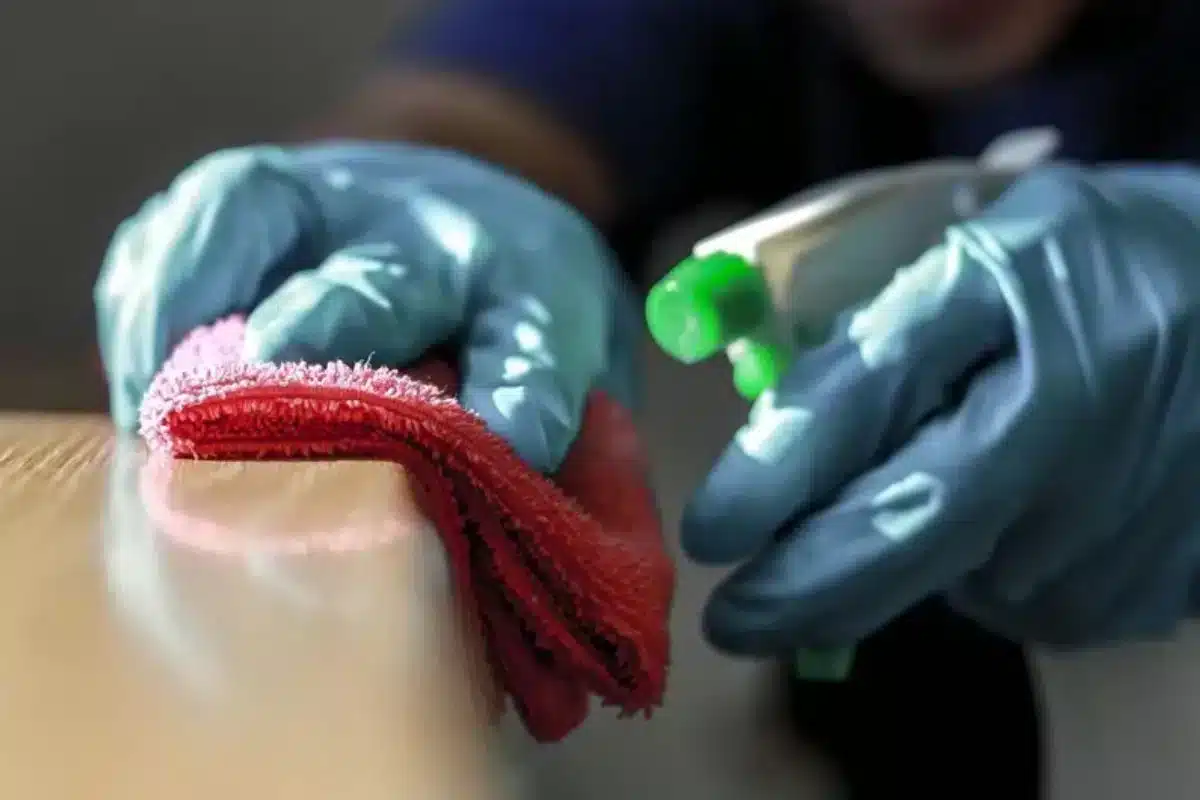
The proper technique requires careful attention to electrical safety considerations while ensuring thorough disinfection. Rather than spraying liquids directly onto electrical components, dampen a microfiber cloth with appropriate cleaning solution before wiping surfaces. This approach prevents moisture from entering switch mechanisms while effectively removing bacterial contamination. Focus on textured areas and edges where grease and organic residues tend to accumulate most heavily.
For detailed cleaning in hard-to-reach spots, cotton swabs provide precision tools that regular cloths cannot match. These implements access crevices around switch mechanisms, decorative borders, and textured patterns on modern fixtures. Complete the process by drying all surfaces thoroughly to prevent moisture-related electrical hazards and bacterial regrowth in damp environments. Natural disinfectant alternatives using white vinegar mixed with water offer chemical-free options for environmentally conscious households without sacrificing antimicrobial effectiveness.
| Cleaning frequency | Bacterial reduction | Time investment |
|---|---|---|
| Daily | Maximum elimination | 2-3 minutes per switch |
| Weekly | Effective prevention | 3-4 minutes per switch |
| Monthly | Moderate control | 5-6 minutes per switch |
Understanding pathogen transmission on neglected surfaces
Dangerous bacteria species including Salmonella and E. coli survive extended periods on untreated switch surfaces, posing serious health threats. Kitchen environments provide ideal growth conditions through warmth, moisture, and abundant organic material from cooking activities. When switches remain untouched by cleaning efforts, microbial populations expand exponentially, dramatically increasing infection risks for all household members.
Research comparing bacterial concentrations on various kitchen surfaces reveals alarming findings. Frequently touched controls can harbor pathogen levels comparable to those on cutting boards used for raw meat preparation. This scientific evidence underscores the critical importance of including switches in comprehensive sanitation protocols rather than treating them as purely functional devices.
Transfer pathways operate through various mechanisms during typical cooking workflows. Handling unwashed produce, touching raw poultry, or using contaminated utensils before flipping switches creates direct contamination routes. Steam rising from boiling liquids, grease particles dispersed through frying activities, and fingerprint residues combine to create nutrient-rich environments where bacteria flourish. Without intervention through regular disinfection efforts, these innocent-looking fixtures transform into reservoirs threatening food safety standards and family health.
Expanding beyond switches to other overlooked areas
Comprehensive kitchen hygiene requires attention to multiple high-touch surfaces beyond light controls. Several frequently contacted fixtures demand similar maintenance efforts to achieve optimal sanitation throughout cooking spaces. These overlooked areas contribute significantly to bacterial transmission patterns when excluded from standard cleaning routines.
Essential surfaces requiring regular attention include :
- Refrigerator handles accessed during meal preparation and storage activities
- Cabinet knobs used when retrieving ingredients and cooking equipment
- Faucet controls contacted during food washing and hand hygiene practices
- Microwave panels touched while reheating prepared dishes
- Oven knobs adjusted during temperature control operations
Modern design trends emphasizing space efficiency and clean aesthetics make proper maintenance even more critical for health outcomes. Compact kitchen layouts can increase bacterial transfer opportunities between different zones, requiring enhanced attention to sanitation protocols. Systematic approaches incorporating specific maintenance days for detailed cleaning tasks ensure consistent coverage of all vulnerable surfaces without overwhelming household schedules.
Long-term advantages of thorough sanitation practices
Maintaining properly cleaned switches and related fixtures delivers lasting benefits extending beyond immediate pathogen reduction. Regular attention prevents buildup of cooking residues, grease films, and organic deposits that create favorable bacterial habitats. This proactive approach significantly reduces foodborne illness transmission within residential settings while protecting vulnerable family members.
Investment in appropriate cleaning supplies and proper techniques yields substantial returns through improved health outcomes. Reduced exposure to harmful microorganisms translates directly to fewer gastrointestinal illnesses and infections associated with kitchen-originated contamination events. Children and elderly household members benefit especially from enhanced hygiene standards since their immune systems may struggle more against pathogenic bacteria.
Professional-level cleanliness becomes achievable in home environments through attention to seemingly minor details. Commercial food service establishments understand the critical importance of sanitizing all touched surfaces, and applying similar standards residentially elevates overall food safety practices dramatically. Creating sustainable habits requires minimal additional time once incorporated into existing routines, becoming automatic behaviors that contribute to comprehensive kitchen hygiene without disrupting daily cooking activities or meal preparation workflows.