
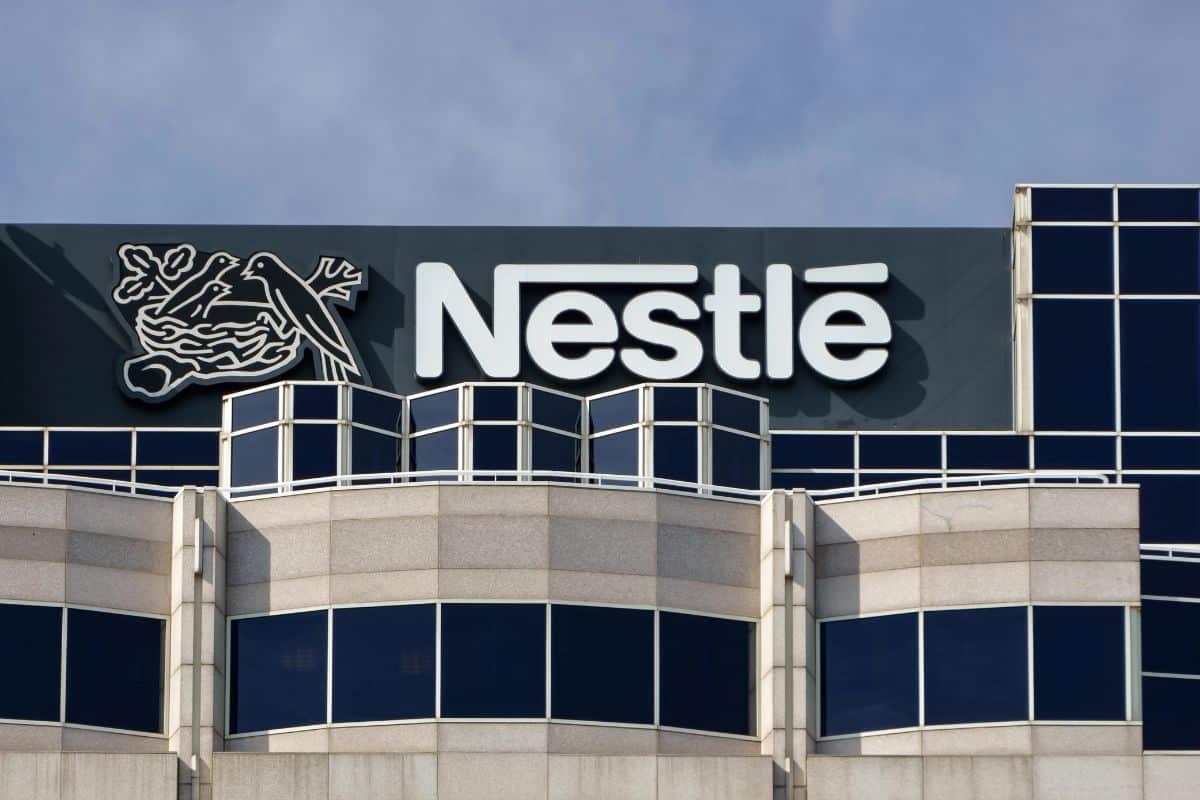
Nestlé stands as one of the world’s largest food and beverage corporations, with a sprawling portfolio that touches nearly every aisle of your local supermarket. Founded in 1866 in Switzerland, this multinational giant has grown through strategic acquisitions to encompass over 2,000 brands operating across 186 countries. While many consumers recognize the Nestlé name on chocolate bars and coffee jars, the company’s reach extends far beyond these familiar products into categories ranging from pet food to pharmaceutical nutrition. Understanding which brands fall under the Nestlé umbrella becomes increasingly important for consumers seeking to make informed purchasing decisions based on ethical considerations, dietary preferences, or personal values.
The extensive brand portfolio owned by Nestlé
The Swiss conglomerate’s acquisitions strategy has created a diverse ecosystem of brands that many shoppers unknowingly support with their purchases. In the beverage sector, Nestlé controls major players including Nespresso, Nescafé, and Perrier. The company also owns popular bottled water brands such as Poland Spring, S.Pellegrino, and Vittel, making it one of the largest bottled water producers globally.
When it comes to confectionery and snacks, Nestlé’s presence becomes even more pronounced. The corporation owns KitKat in most markets worldwide (except the United States where Hershey holds the license), along with Smarties, Aero, and Quality Street. Beyond chocolate, the company’s savory portfolio includes Hot Pockets, Lean Cuisine, Stouffer’s, and DiGiorno frozen foods, which dominate freezer sections across North America.
The pet care division represents another significant pillar of Nestlé’s business empire. Through its subsidiary Purina, the company controls brands like Fancy Feast, Friskies, Purina ONE, and Pro Plan. This division alone generates billions in annual revenue, making Nestlé a dominant force in the global pet food industry. Additionally, the company’s health science division includes brands like Boost nutritional drinks and various pharmaceutical-grade nutritional products targeting specific medical conditions.
| Category | Major brands | Market presence |
|---|---|---|
| Beverages | Nescafé, Nespresso, Perrier | Global leader |
| Confectionery | KitKat, Smarties, Quality Street | Top 5 worldwide |
| Frozen foods | DiGiorno, Hot Pockets, Lean Cuisine | North America dominant |
| Pet care | Purina, Fancy Feast, Friskies | Market leader |
Why some consumers choose to boycott Nestlé products
Several controversies have motivated consumer movements advocating for Nestlé boycotts over the decades. The most persistent criticism centers around the company’s aggressive marketing of infant formula in developing countries during the 1970s and 1980s. Critics argued that Nestlé’s practices contributed to infant mortality by discouraging breastfeeding among populations with limited access to clean water. Despite reforms, advocacy groups continue monitoring the company’s infant formula marketing practices in vulnerable markets.
Water privatization represents another contentious issue surrounding the corporation’s operations. Nestlé has faced accusations of depleting groundwater resources in drought-stricken areas, including California and Michigan, while paying minimal fees to extract millions of gallons annually. Environmental activists argue that the company profits from selling back to communities what should remain a public resource accessible to all residents.
Additional concerns include allegations of child labor in cocoa supply chains, environmental degradation from plastic bottle production, and various labor rights disputes across different facilities worldwide. These ongoing controversies have led organizations like Corporate Accountability International and various environmental groups to maintain active campaigns encouraging consumers to seek alternatives to Nestlé products wherever possible.
Practical strategies for reducing Nestlé product consumption
Avoiding Nestlé products requires dedication and awareness, given the company’s market penetration, but several approaches can help consumers significantly reduce their support. The first step involves familiarizing yourself with the comprehensive list of Nestlé-owned brands, which extends far beyond products bearing the Nestlé name directly. Numerous online resources and mobile applications now exist specifically to help shoppers identify Nestlé products while shopping.
For common categories, here are actionable alternatives to consider :
- Coffee alternatives : Replace Nescafé with brands like Lavazza, Folgers, or local roasters independent of major conglomerates
- Chocolate substitutes : Choose products from Lindt (though partially owned by Nestlé), Tony’s Chocolonely, or Endangered Species Chocolate
- Bottled water options : Switch to reusable water bottles or select brands like Fiji, Evian, or regional spring water companies
- Pet food choices : Consider Blue Buffalo, Wellness, or Orijen brands for your pets’ nutritional needs
- Frozen meals : Opt for Amy’s Kitchen, Trader Joe’s house brands, or prepare homemade frozen meals
Reading labels carefully becomes essential since corporate ownership structures change frequently through acquisitions and divestitures. Some formerly independent brands periodically get absorbed into larger conglomerates, while others occasionally regain independence. Supporting local businesses, farmers markets, and smaller food producers naturally reduces reliance on multinational corporations like Nestlé while often providing fresher, more sustainable options aligned with conscious consumer values in 2025.