
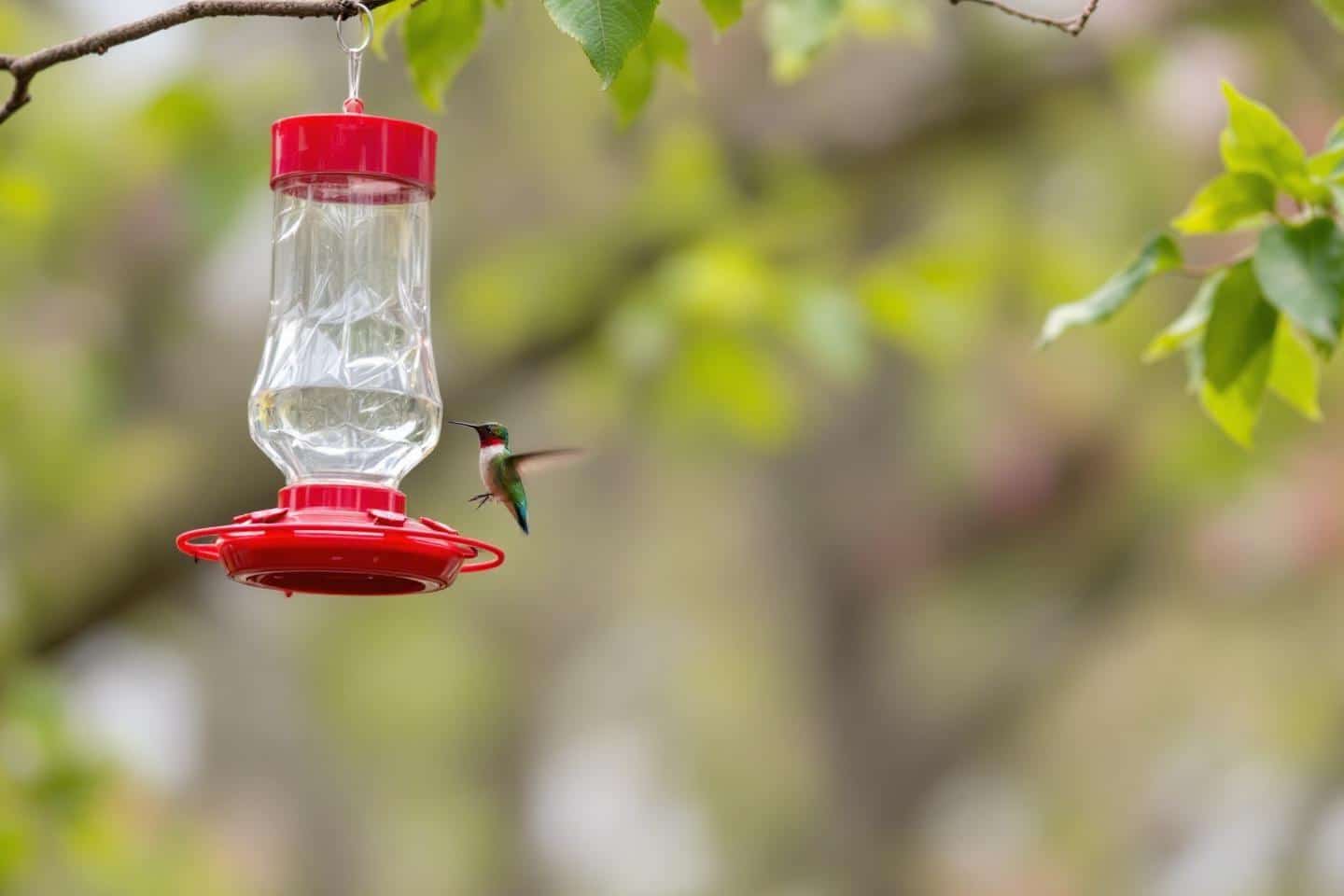
Attracting hummingbirds to your backyard requires careful timing and strategic planning. The question of when to install nectar feeders depends on your geographic location, local climate patterns, and whether you’re preparing for seasonal visitors or supporting year-round residents. Understanding migration schedules and regional variations helps maximize your success in welcoming these remarkable birds.
Understanding spring migration patterns across North America
Spring migration timing varies dramatically across the continent, creating a wave of hummingbird movement from south to north. Ruby-throated Hummingbirds, the most common eastern species, begin their journey from Central America in February. By mid-March, they reach the Gulf Coast states including Texas, Louisiana, and Florida. These early arrivals need immediate access to food sources after their grueling 500-mile flight across the Gulf of Mexico.
The migration wave continues northward at roughly 20 miles per day. Mid-Atlantic states typically see their first arrivals in early April, while the Midwest and Northeast regions welcome hummingbirds by late April or early May. In western states, Rufous Hummingbirds follow the Pacific Coast, arriving in California by February and reaching Alaska by late April. Anna’s Hummingbirds remain year-round residents along much of the West Coast.
Experienced birders recommend the two-week rule : install feeders approximately two weeks before the expected arrival date in your area. This safety margin ensures food availability for early scouts and birds that deviate from typical patterns. Climate change has shifted some migration schedules earlier, making advance preparation increasingly important. Monitoring local birding groups and online platforms like eBird provides real-time migration tracking data specific to your region.
| Region | Feeder installation date | Expected first arrivals |
|---|---|---|
| Gulf Coast states | Late February | Mid-March |
| Southeast states | Mid-March | Early April |
| Mid-Atlantic states | Late March | Mid-April |
| Midwest and Northeast | Mid-April | Late April to early May |
| Pacific Northwest | Late February | Mid-March |
| Northern Rockies | Late April | Mid-May |
Year-round feeding strategies for resident populations
Several hummingbird species maintain permanent territories in specific regions, requiring consistent food sources throughout all seasons. Anna’s Hummingbirds dominate coastal California, Oregon, Washington, and British Columbia year-round. Allen’s Hummingbirds remain along the southern California coast, while Buff-bellied Hummingbirds reside in southern Texas.
For these resident populations, continuous feeder maintenance becomes essential rather than optional. Winter feeding presents unique challenges, particularly freezing temperatures that solidify sugar water. In regions experiencing frost, homeowners must implement protective measures including bringing feeders indoors overnight or using heated feeder attachments. Some enthusiasts rotate multiple feeders, keeping one warm inside while another serves outside.
Year-round feeding also supports late migrants and overwintering individuals that occasionally appear outside their normal range. These unexpected visitors, sometimes called vagrant hummingbirds, depend entirely on human-provided nectar when natural food sources disappear. Rufous Hummingbirds increasingly overwinter along the Gulf Coast rather than migrating to Mexico, relying heavily on backyard feeders for survival.
Optimal feeder maintenance schedules and practices
Successfully attracting hummingbirds requires more than simply hanging feeders at the right time. Proper nectar preparation and regular maintenance ensure bird health and sustained visits. The standard recipe combines four parts water to one part white granulated sugar, boiled briefly to dissolve crystals and eliminate potential contaminants. Never use honey, artificial sweeteners, or red dye, as these substances harm hummingbirds.
Cleaning frequency depends on ambient temperature. During hot summer months, nectar ferments rapidly, requiring complete feeder cleaning every two to three days. Spring and fall temperatures allow four to five day intervals, while cool weather permits weekly cleaning. Use hot water and a bottle brush, avoiding soap residues that repel birds. White vinegar effectively removes mold and mineral deposits.
Strategic feeder placement maximizes visibility and safety. Consider these essential positioning guidelines :
- Shade protection keeps nectar fresh longer and prevents overheating
- Distance from windows reduces collision risks and territorial aggression
- Multiple feeder locations accommodate dominant males controlling territories
- Nearby perching spots provide rest areas between feeding sessions
- Protection from predators including cats and larger birds
Preparing for fall migration and winter considerations
A persistent myth suggests removing feeders in autumn forces hummingbirds to migrate on schedule. Scientific research conclusively debunks this misconception. Migration triggers respond to changing daylight duration and hormonal shifts, not food availability. Keeping feeders available during fall actually supports late migrants and juveniles building energy reserves for their journey.
Fall departure dates mirror spring arrivals in reverse. Northern regions see hummingbirds depart by early September, while southern areas host birds through October. However, individual variation means some birds linger weeks beyond typical departure windows. Maintaining feeders two to three weeks past the last observed visitor ensures adequate support for stragglers.
In frost-prone regions without resident populations, winterizing feeders prevents damage. Thoroughly clean and dry all components before storage in a protected location. Inspect rubber gaskets and feeding ports for wear, replacing damaged parts before the next season. This preventive maintenance ensures feeders function properly when spring migration begins anew, continuing the annual cycle of welcoming these extraordinary avian visitors to your garden sanctuary.