
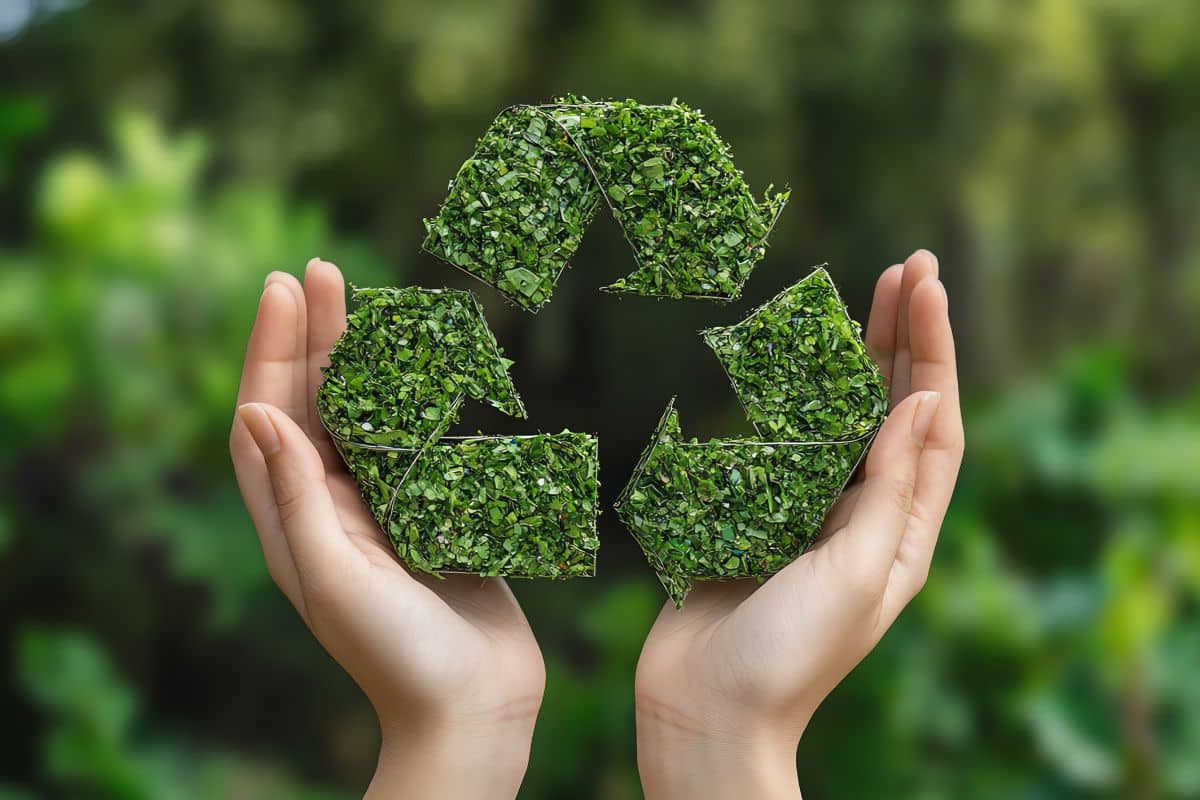
The contemporary environmental crisis demands more than passive concern; it requires active participation in sustainable practices. Embracing an eco-warrior lifestyle means transforming daily habits into meaningful actions that protect our planet. This transformation involves conscious choices about consumption, waste management, and resource utilization. By adopting environmentally responsible behaviors, individuals can significantly reduce their ecological footprint while inspiring others to follow suit. The journey toward sustainability begins with understanding the interconnectedness of our actions and their environmental consequences. Each decision, from the food we consume to the products we purchase, creates a ripple effect that extends far beyond our immediate surroundings.
The foundation of sustainable living practices rests upon reevaluating consumption patterns. Modern consumer culture encourages excessive purchasing and rapid disposal, creating mountains of waste that overwhelm ecosystems. Breaking this cycle requires intentional decision-making and a commitment to quality over quantity. Choosing products with minimal packaging, opting for second-hand items, and supporting local artisans reduces environmental strain while fostering community connections.
The concept of mindful consumption extends beyond physical goods to encompass energy usage and digital habits. Streaming services, cloud storage, and constant connectivity consume substantial electricity, much of which comes from fossil fuels. By reducing screen time, optimizing device settings, and choosing green energy providers, individuals can minimize their digital carbon footprint. Similarly, adjusting home thermostats, utilizing natural lighting, and investing in energy-efficient appliances contribute to significant energy conservation.
Food choices represent one of the most impactful areas for environmental action. The global food system accounts for approximately one-quarter of greenhouse gas emissions, with animal agriculture being particularly resource-intensive. Incorporating more plant-based meals, supporting regenerative agriculture, and reducing food waste can dramatically decrease personal environmental impact. Organizations like the Environmental Working Group provide valuable resources for understanding food sustainability ratings and making informed dietary choices.
Transitioning toward zero waste principles involves reimagining the entire lifecycle of products we use. The traditional linear economy of take-make-dispose must evolve into a circular system where materials continuously cycle through production and consumption. This transformation starts with refusing unnecessary items, reducing overall consumption, and reusing existing materials creatively. Implementing these strategies requires planning and persistence but yields substantial environmental benefits.
Practical zero waste implementation involves several key strategies :
- Carrying reusable containers for groceries, beverages, and takeout meals
- Composting organic waste to create nutrient-rich soil amendments
- Repairing broken items rather than immediately replacing them
- Choosing products made from recycled or biodegradable materials
- Shopping at bulk stores to minimize packaging waste
- Creating homemade alternatives to commercially packaged products
The bathroom and kitchen typically generate the most household waste, making them ideal starting points for zero waste initiatives. Replacing disposable items with durable alternatives—such as cloth napkins, safety razors, and bar soaps—eliminates recurring waste streams. Many communities now host swap events where residents exchange unwanted items, extending product lifecycles while building social connections. These gatherings demonstrate how sustainable practices strengthen communities while reducing environmental impact.
| Category | Conventional option | Sustainable alternative | Annual waste reduction |
|---|---|---|---|
| Personal care | Disposable razors | Safety razor | 12-24 plastic razors |
| Kitchen | Paper towels | Cloth towels | 52-104 rolls |
| Shopping | Plastic bags | Reusable bags | 300-500 bags |
| Beverages | Bottled water | Filtered tap water | 156-312 bottles |
Transportation accounts for a substantial portion of personal carbon emissions, making sustainable mobility choices essential for eco-warriors. The private automobile, while convenient, generates significant pollution and consumes finite resources. Exploring alternative transportation methods reduces environmental impact while often improving physical health and financial wellbeing. Walking and cycling for short trips provides exercise while eliminating emissions entirely, transforming necessary journeys into opportunities for wellness.
Public transportation systems, though imperfect, move large numbers of people efficiently with substantially lower per-capita emissions than individual vehicles. Supporting and utilizing these systems strengthens their viability while reducing traffic congestion and air pollution. For longer distances, trains typically offer more environmentally friendly options than air travel, with high-speed rail networks in Europe and Asia demonstrating the potential for sustainable long-distance mobility.
When personal vehicles remain necessary, choosing electric or hybrid models significantly reduces fossil fuel dependence. However, the most sustainable approach involves reducing overall vehicle usage through carpooling, trip combination, and remote work arrangements. Urban planning advocate Jane Jacobs emphasized how walkable community design naturally reduces transportation needs, highlighting the connection between sustainable living and thoughtful urban development. Advocating for bike lanes, pedestrian zones, and mixed-use neighborhoods creates infrastructure supporting eco-friendly transportation choices.
Individual actions gain exponential power when multiplied across communities. Building networks of environmentally committed individuals creates support systems that sustain long-term behavior change. Community gardens transform unused spaces into productive landscapes while teaching food cultivation skills and fostering social bonds. These shared spaces demonstrate how environmental stewardship enhances quality of life beyond measurable ecological benefits.
Organizing educational workshops, clothing swaps, and repair cafés spreads sustainable practices while building resilient local networks. These initiatives prove that environmental action need not involve sacrifice or isolation but rather creates opportunities for connection and creativity. Social media platforms enable eco-warriors to share successes, troubleshoot challenges, and inspire broader audiences, amplifying individual impacts through digital community building.
The eco-warrior lifestyle ultimately represents a commitment to living deliberately, questioning assumptions, and prioritizing planetary health. This path requires ongoing learning, adaptation, and persistence through inevitable setbacks. By embracing sustainable practices, individuals join a growing movement reshaping human relationship with the natural world, proving that meaningful environmental progress begins with personal commitment and collective action.