
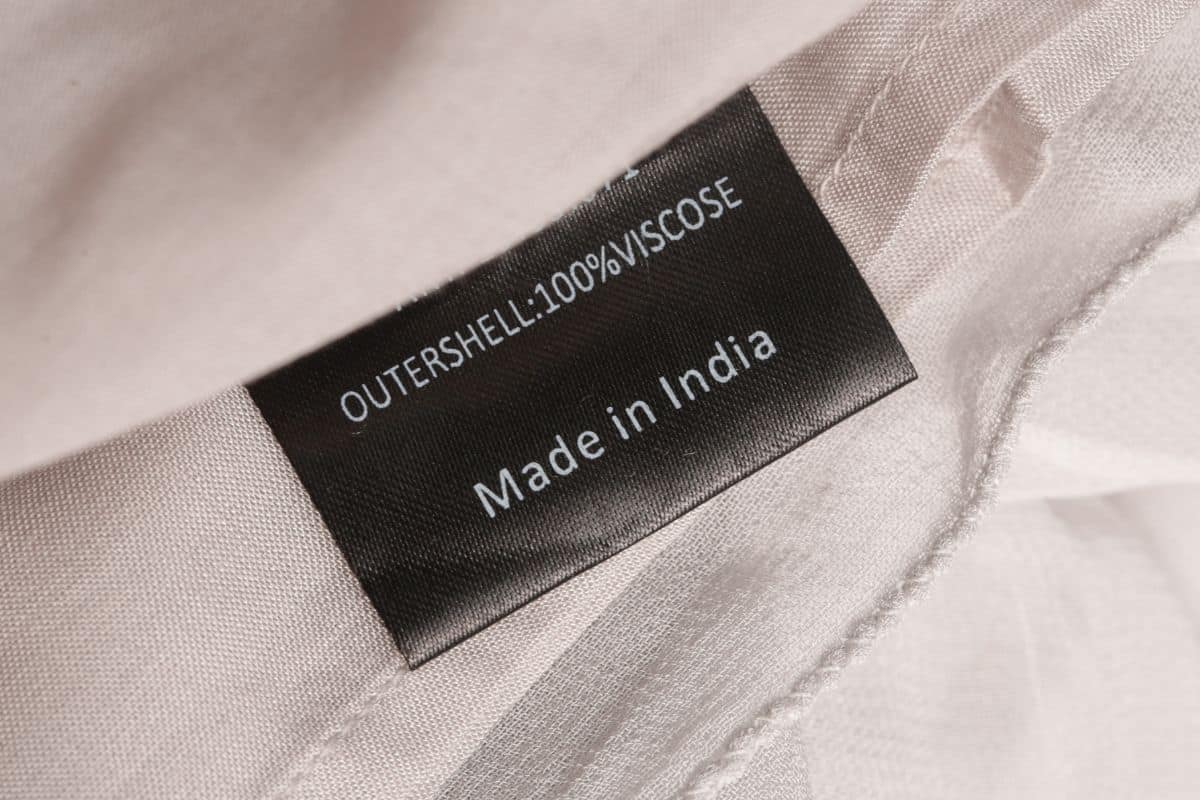
Viscose has become one of the most widely used fabrics in the fashion industry, appearing in everything from flowing dresses to everyday T-shirts. This semi-synthetic material offers an appealing drape and softness that mimics natural fibers, yet questions about its safety continue to spark debate among consumers and environmental advocates. Understanding whether this popular textile poses health risks requires examining both its manufacturing process and its impact on wearers.
What exactly is viscose and how is it manufactured
Viscose, also known as rayon, represents a unique category of fabric that sits between natural and synthetic materials. Manufacturers create this textile by chemically processing cellulose from wood pulp, typically sourced from eucalyptus, bamboo, or beech trees. The production begins with dissolving this plant material in a chemical solution containing sodium hydroxide and carbon disulfide, transforming it into a viscous liquid that gives the fabric its name.
The manufacturing process involves several stages where workers push this thick liquid through fine nozzles into an acid bath. This step regenerates the cellulose fibers, which are then spun into yarn and woven into fabric. While the base material comes from natural sources, the heavy chemical treatment distinguishes viscose from truly natural fabrics like cotton or linen. This distinction becomes crucial when evaluating potential toxicity concerns.
The chemicals used during production raise significant questions about environmental impact and worker safety. Carbon disulfide, a key component in traditional viscose manufacturing, poses documented health risks to factory workers exposed to high concentrations. Studies have linked prolonged exposure to this chemical with neurological problems and reproductive issues. However, the question remains whether these production hazards translate into toxicity concerns for consumers wearing finished garments.
Modern manufacturing facilities have developed closed-loop systems that recycle up to 99% of chemicals used in production. These advanced processes, exemplified by lyocell production methods, significantly reduce both environmental pollution and chemical residues in final products. Brands committed to sustainable living practices increasingly favor these cleaner production techniques, though traditional viscose manufacturing still dominates the market.
Does wearing viscose fabric pose health risks to consumers
The finished viscose fabric that reaches consumers typically contains minimal chemical residues from manufacturing. During production, fabrics undergo multiple washing and finishing stages that remove most processing chemicals. Independent testing of commercial viscose garments generally shows chemical levels well below safety thresholds established by regulatory bodies like the European Chemicals Agency and the U.S. Environmental Protection Agency.
However, certain quality concerns do exist with lower-grade viscose products. Some manufacturers use formaldehyde-based finishing agents to improve wrinkle resistance and durability. These treatments can leave residues that may trigger allergic reactions or skin irritation in sensitive individuals. People with chemical sensitivities or skin conditions like eczema sometimes report discomfort when wearing certain viscose garments, particularly those with strong chemical odors fresh from packaging.
| Potential concern | Risk level for consumers | Preventive measures |
|---|---|---|
| Chemical residues | Low to moderate | Wash before first wear, choose certified brands |
| Skin irritation | Low | Select high-quality viscose, avoid tight-fitting garments |
| Formaldehyde finishing | Low to moderate | Look for formaldehyde-free certifications |
| Microfiber shedding | Emerging concern | Wash less frequently, use microfiber filters |
Certifications provide valuable guidance for consumers seeking safer viscose products. Labels like OEKO-TEX Standard 100 indicate that fabrics have been tested for harmful substances and meet strict safety criteria. Similarly, the EU Ecolabel and GOTS certification (for viscose blends with organic fibers) signal reduced chemical exposure risks. Just as consumers seek healthier alternatives in personal care products, choosing certified fabrics offers comparable peace of mind regarding textile safety.
Environmental toxicity versus personal health concerns
Distinguishing between environmental toxicity and direct health risks to wearers proves essential for understanding viscose safety comprehensively. The fabric’s most significant toxic impact occurs during manufacturing, particularly in facilities lacking proper chemical management systems. Untreated wastewater from viscose production can contaminate local water supplies with heavy metals and chemical residues, affecting communities near production facilities primarily located in China, India, and Indonesia.
These environmental concerns, while serious, differ from personal toxicity risks faced by end consumers. The ecological damage stems from industrial pollution rather than inherent properties of the finished fabric. Organizations like the Changing Markets Foundation have documented how viscose production contributes to deforestation and water pollution, especially when manufacturers source wood pulp from endangered forests without sustainable forestry practices.
For consumers, the practical health considerations focus on several key factors :
- Washing new garments before wearing removes residual processing chemicals and finishing agents
- Avoiding extremely cheap viscose products reduces exposure to potentially substandard manufacturing practices
- Checking for certifications ensures adherence to safety standards throughout production
- Monitoring skin reactions helps identify personal sensitivities to specific fabric treatments
- Choosing brands transparent about their manufacturing processes supports better industry practices
The breathability and moisture-wicking properties of viscose actually offer some health advantages compared to synthetic fabrics like polyester. The fabric allows better air circulation against skin, potentially reducing bacterial growth and associated odor problems. This characteristic makes viscose generally safe for direct skin contact in most applications, though undergarments and activewear benefit from natural alternatives when possible.
Making informed choices about viscose in your wardrobe
Understanding viscose toxicity empowers consumers to make balanced decisions rather than avoiding the fabric entirely. High-quality viscose from responsible manufacturers presents minimal direct health risks while offering practical benefits like affordability and comfort. The key lies in recognizing quality indicators and understanding when alternative fabrics might serve better.
Price often correlates with manufacturing standards, though expensive doesn’t always guarantee ethical production. Researching brand commitments to environmental standards and worker safety provides more reliable guidance than cost alone. Many companies now publish detailed information about their supply chains, making it easier to identify those using closed-loop systems or sustainable forestry practices.
Balancing viscose with other fabric choices creates a thoughtful wardrobe approach. Combining viscose pieces with natural fibers like organic cotton, linen, or hemp diversifies environmental impact while addressing different functional needs. This strategy acknowledges that no single fabric solution suits every situation, and intelligent mixing supports both personal comfort and broader sustainability goals. The fabric remains safe for most consumers when produced responsibly, making awareness rather than avoidance the most practical response to toxicity concerns.