
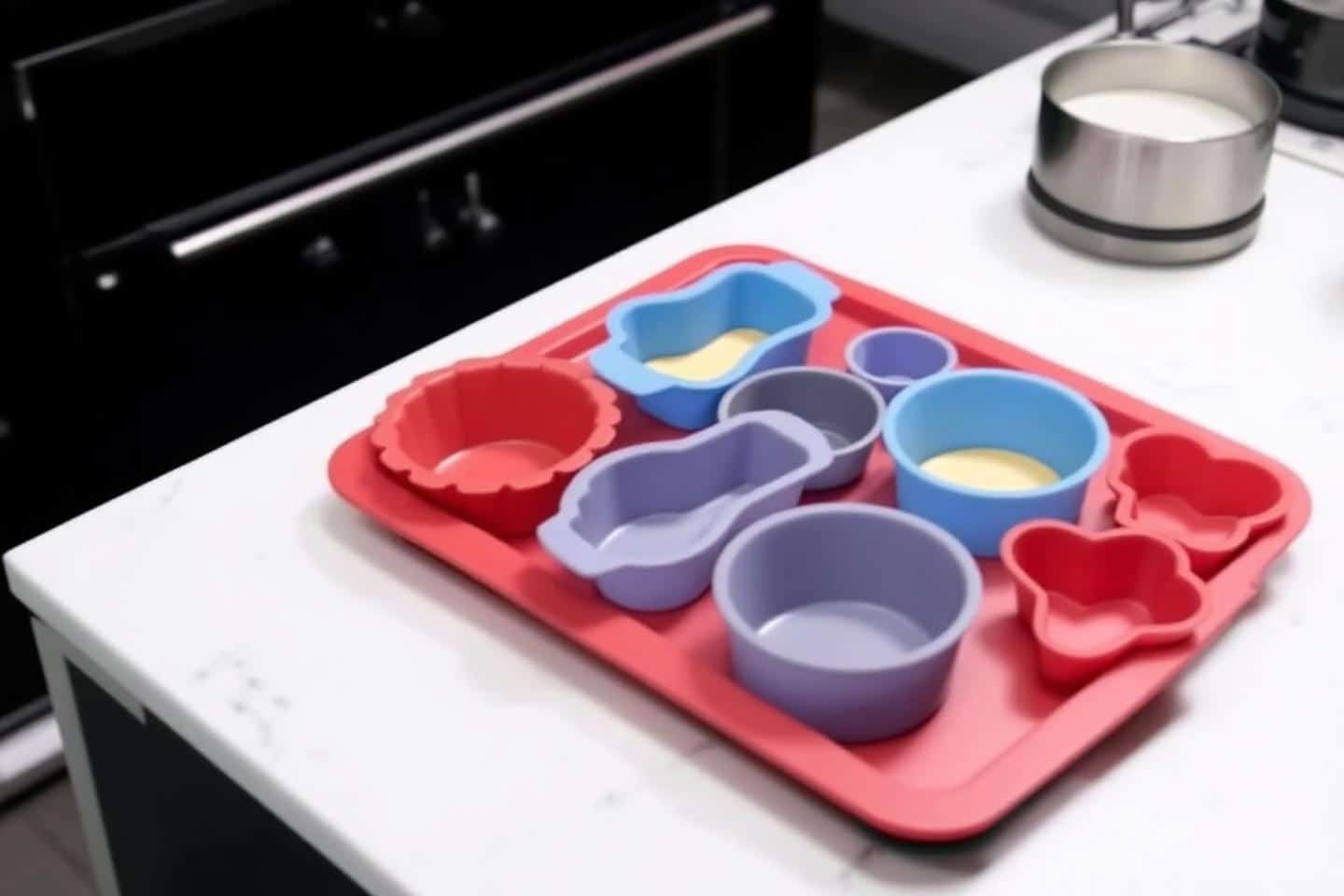
Silicone bakeware has revolutionized home cooking, offering flexibility, easy cleanup, and vibrant color options that traditional metal pans simply cannot match. However, many home bakers and cooking enthusiasts wonder whether silicone products are genuinely safe for oven use and what temperature limitations they should respect. Understanding the thermal properties of food-grade silicone and following proper usage guidelines ensures both safety and optimal cooking results.
This comprehensive guide explores the heat resistance characteristics of silicone kitchenware, helping you make informed decisions about using these versatile tools in your cooking routine. From muffin molds to baking mats, silicone has become an indispensable material in modern kitchens worldwide.
Understanding food-grade silicone and its heat tolerance
Food-grade silicone is a synthetic polymer made from silicon, oxygen, carbon, and hydrogen, creating a material with remarkable thermal stability and flexibility. Unlike plastic products that can melt or warp under high temperatures, quality silicone maintains its structural integrity across a wide temperature range. The molecular structure of silicone allows it to withstand extreme conditions without breaking down or releasing harmful substances into your food.
Most reputable silicone bakeware manufacturers design their products to tolerate temperatures between -40°F and 446°F (-40°C to 230°C). This impressive range means you can safely use silicone products not only in conventional ovens but also in microwaves, freezers, and dishwashers. The American-based organization FDA regulates food-contact substances and has approved high-quality silicone as safe for food preparation and storage when used according to manufacturer specifications.
When shopping for silicone bakeware, verify the manufacturer’s specifications regarding maximum temperature limits. Premium brands clearly label their products with certified temperature ratings and comply with international safety standards. Some inferior products might contain fillers that compromise heat resistance and potentially leach chemicals when exposed to high temperatures. Testing silicone quality involves pinching and twisting the material—pure silicone returns to its original shape without showing white stress marks.
| Silicone quality indicator | Premium silicone | Low-quality silicone |
|---|---|---|
| Maximum temperature | 446°F (230°C) | 350°F (177°C) or lower |
| Twist test result | No color change | White marks appear |
| Odor when new | Odorless or minimal smell | Strong chemical odor |
| FDA certification | Clearly labeled | Often missing |
Practical safety guidelines for oven use
While silicone can withstand oven temperatures, following proper handling procedures ensures longevity and safety. Always place silicone bakeware on a sturdy baking sheet or oven rack before filling, as the flexible material can be difficult to transfer when filled with batter or dough. This support prevents spills and makes handling significantly easier, especially with larger molds or pans.
Before first use, washing silicone products thoroughly removes any manufacturing residue and ensures optimal food safety. Most silicone items are dishwasher-safe, though hand washing with warm soapy water works equally well. Avoid using sharp utensils or knives directly on silicone surfaces, as cuts or tears can compromise the material’s integrity and create places where bacteria might accumulate over time.
Temperature consistency matters when using silicone in ovens. Although the material tolerates high heat, extreme temperature fluctuations can reduce its lifespan. Allow silicone products to cool naturally rather than plunging them into cold water immediately after removing from the oven. This gradual cooling process maintains the molecular structure and prevents premature degradation of the material.
Here are essential safety practices for silicone oven use :
- Never exceed the manufacturer’s stated maximum temperature rating
- Keep silicone products away from direct contact with heating elements or open flames
- Use oven mitts when handling hot silicone, as it conducts heat differently than metal
- Inspect products regularly for tears, discoloration, or unusual odors indicating degradation
- Avoid placing empty silicone containers in preheated ovens without contents
Advantages and limitations of silicone bakeware
Silicone bakeware offers numerous benefits that explain its growing popularity among home cooks and professional chefs alike. The naturally non-stick surface reduces or eliminates the need for greasing, making cleanup remarkably simple and reducing fat content in baked goods. The flexibility allows for easy release of delicate items like cakes, muffins, and molded desserts without damage, while the material’s durability means properly maintained silicone products can last for years.
The space-saving nature of silicone proves particularly valuable in smaller kitchens, as these flexible items collapse or nest together for compact storage. Unlike rigid metal pans, silicone products won’t rust, corrode, or develop scratches that harbor bacteria. The variety of shapes, sizes, and colors available allows creative culinary expression and makes silicone ideal for specialty items like ice molds, chocolate forms, and decorative cake pans.
However, silicone has limitations worth considering. Heat distribution differs from traditional metal pans, sometimes requiring slight adjustments to baking times or temperatures. The flexibility that makes silicone convenient can also make it challenging to handle when filled with liquid batters. Some users report that certain silicone products retain odors from strongly flavored foods, though proper cleaning typically resolves this issue.
Browning and crisping outcomes may differ when using silicone compared to metal pans. While perfectly adequate for most baking applications, silicone may not produce the same deeply browned crusts that metal pans achieve. For recipes requiring significant bottom browning or crisping, placing silicone molds on preheated baking sheets can help achieve better results while maintaining the convenience of silicone’s non-stick properties and easy cleanup advantages.