
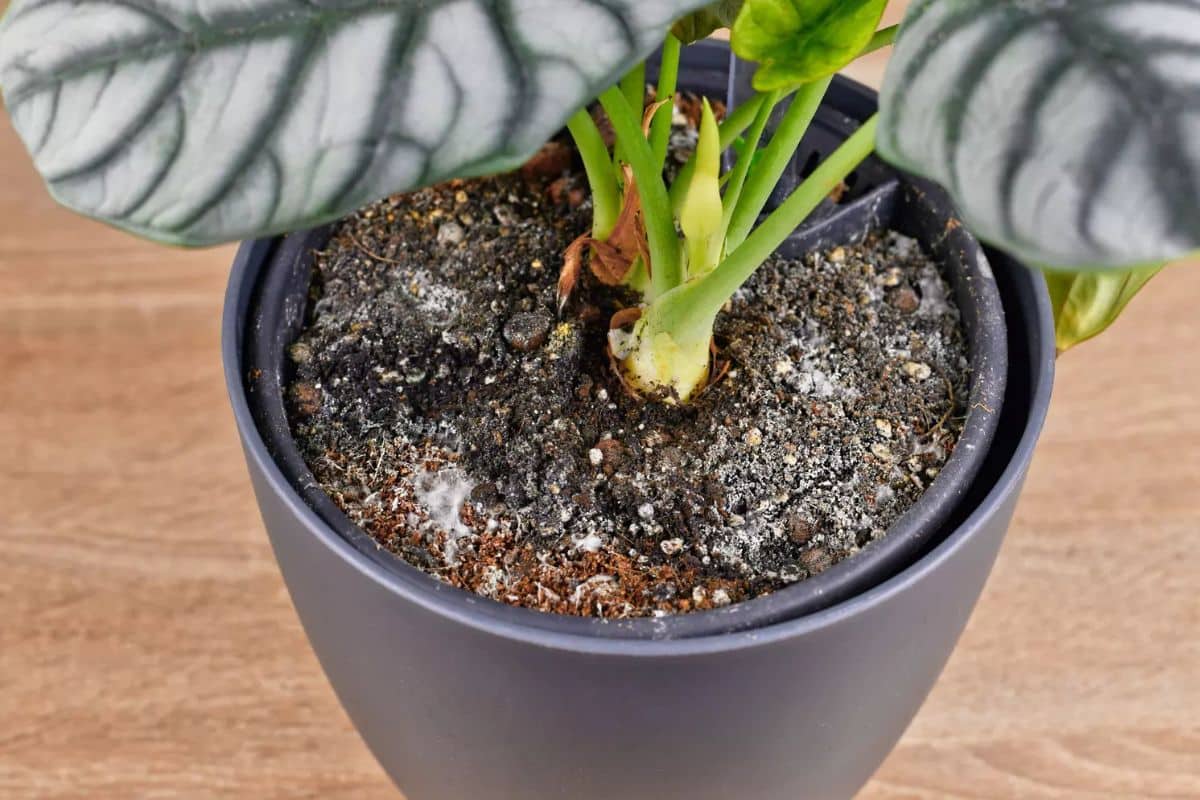
Discovering a fuzzy white coating spreading across your potting soil can be alarming for any plant lover. This peculiar phenomenon, often mistaken for harmless residue, actually signals the presence of fungal growth that demands immediate attention. Understanding how to identify and eliminate this threat naturally will help you maintain thriving indoor greenery throughout the changing seasons.
Understanding the fungal threat developing in your containers
The white substance appearing on soil surfaces represents more than just an aesthetic nuisance. This growth stems from saprophytic fungi that feed on decomposing organic matter within your potting mix. These microorganisms flourish when environmental conditions align perfectly for their proliferation, creating colonies visible to the naked eye.
Multiple factors contribute to creating optimal conditions for fungal development. Excessive moisture retention tops the list of culprits, especially when combined with inadequate air circulation around your containers. Poor lighting conditions further exacerbate the situation, as sunlight naturally inhibits fungal spread. The transition period following winter presents particularly high risk, when plants receive modified care routines and household humidity fluctuates significantly.
The dangers extend beyond mere appearance concerns. Weakened plants become increasingly susceptible to secondary infections and pest infestations when their root systems struggle beneath fungal-contaminated soil. Additionally, airborne spores pose health risks for household members experiencing respiratory sensitivities or allergic reactions. Just as certain scents can help with pest control—like natural odors that repel rodents—addressing fungal issues protects both plant and human health.
Immediate removal techniques for visible contamination
Swift action prevents minor fungal outbreaks from escalating into severe infestations. Begin your intervention by manually extracting the visible white growth from the topsoil layer using a small gardening tool or clean hands. This physical removal halts surface-level spreading while preparing the area for deeper treatment applications.
However, surface cleaning alone provides insufficient protection. The fungal network extends beneath what your eyes can detect, requiring targeted solutions to reach hidden colonies. Creating organized spaces for plant care materials—similar to how essential storage products help organize homes—ensures you maintain supplies ready for these situations.
Following initial removal, inspect surrounding containers for signs of contamination spread. Fungal spores travel effortlessly through air currents, potentially affecting neighboring plants. Isolating affected specimens during treatment prevents cross-contamination throughout your collection. Document which plants show symptoms to monitor recovery progress and identify particularly vulnerable varieties requiring modified care protocols.
Natural antifungal treatments using household ingredients
Sodium bicarbonate stands as one of the most effective natural fungicides available in typical households. This common kitchen staple, already used for countless cleaning applications, works remarkably well against soil-based mold colonies. Its alkaline properties create an inhospitable environment for fungal organisms without introducing harsh chemicals near your plants.
Prepare your bicarbonate solution by combining two teaspoons with one liter of room-temperature water in a spray bottle. Shake thoroughly to ensure complete dissolution before application. Generously mist the entire soil surface, allowing the solution to penetrate several millimeters deep. The elevated pH level neutralizes fungal activity within hours of contact.
| Treatment method | Application frequency | Expected results |
|---|---|---|
| Bicarbonate spray | Every 3-4 days | Visible reduction within one week |
| Cinnamon powder | Single application | Prevention for 2-3 weeks |
| Complete repotting | As needed | Immediate fresh start |
Cinnamon offers an equally impressive alternative for those seeking different natural antifungal options. This aromatic spice contains cinnamaldehyde, a compound with scientifically documented antimicrobial properties. Simply dust a thin layer across affected areas and allow the substance to work passively. The pleasant fragrance provides a bonus compared to other treatments while effectively suppressing fungal regrowth.
Repeat applications every few days until all traces disappear completely. Monitor treated areas closely during this period, adjusting your watering schedule to prevent moisture accumulation that could undermine your remediation efforts. Much like timing matters when you prepare seasonal feeders for wildlife, proper treatment timing ensures optimal results.
Severe infestation management through complete renewal
Advanced cases demand more aggressive intervention strategies. When fungal colonization penetrates deeply throughout the potting medium, total soil replacement becomes necessary despite being labor-intensive. Carefully extract your plant from its current container, taking care not to damage delicate root structures during removal.
Thoroughly cleanse the emptied pot using hot water and mild soap, scrubbing all interior surfaces to eliminate residual spores. Allow containers to dry completely before introducing fresh potting mix. Select high-quality growing medium designed for optimal drainage to prevent future moisture-related complications. This renewal process mirrors how thoughtful furniture choices—like space-saving convertible pieces—can transform living environments through strategic updates.
Examine roots during repotting for signs of rot or damage requiring attention. Trim away any compromised sections with sterilized tools before positioning the plant in its refreshed home. This intervention provides an excellent opportunity to assess overall plant health and address multiple issues simultaneously during a single maintenance session.
Prevention strategies for long-term protection
Establishing proper care routines dramatically reduces future fungal development risks. Master the art of balanced irrigation practices by allowing topsoil to dry between watering sessions. Insert your finger approximately two centimeters deep to assess moisture levels before adding water, preventing oversaturation that encourages fungal proliferation.
Position containers where they receive appropriate light exposure based on species-specific requirements. Adequate illumination naturally inhibits mold growth while supporting robust plant development. Consider these preventive measures :
- Ensure containers feature drainage holes preventing water accumulation
- Incorporate perlite or vermiculite into potting mixes for improved aeration
- Maintain consistent air circulation using fans or strategic placement
- Remove fallen leaves and debris from soil surfaces promptly
Consult knowledgeable nursery professionals regarding specific care requirements for your plant varieties. Different species tolerate varying moisture levels and environmental conditions, making personalized guidance invaluable for prevention success. Regular monitoring combined with prompt intervention keeps your indoor garden healthy and vibrant throughout every season.