
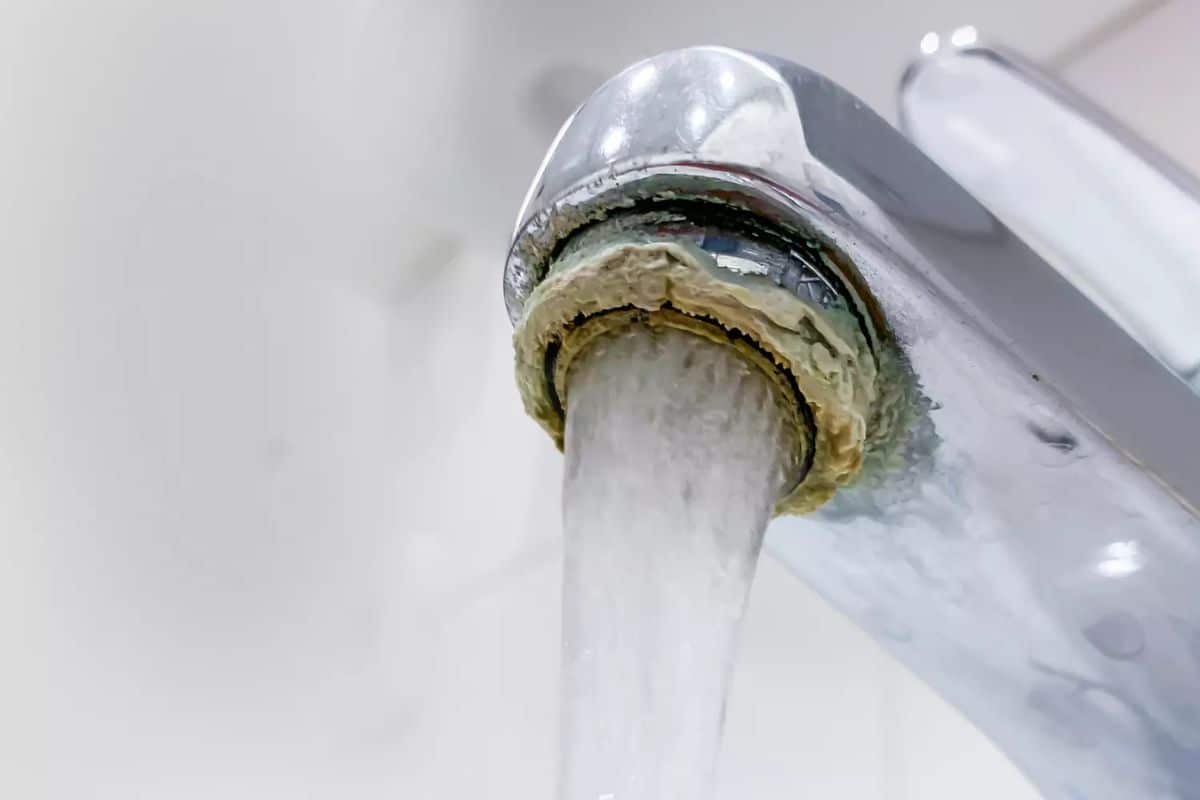
Limescale buildup around kitchen and bathroom fixtures has become one of the most frustrating household cleaning challenges. While countless homeowners spend hours scrubbing away these stubborn mineral deposits, very few realize that a simple citrus fruit can dissolve these white crusty layers effortlessly overnight. This natural approach not only saves time and energy but also eliminates the need for harsh chemical cleaners that can damage surfaces and harm the environment.
How citrus acidity tackles mineral deposits naturally
The science behind using lemon to remove limescale lies in its natural citric acid content. This organic compound works as a powerful dissolving agent that breaks down calcium carbonate and magnesium deposits found in hard water residue. Unlike abrasive scrubbing that can scratch chrome fixtures or damage delicate surfaces, the acidic properties of citrus penetrate the mineral layers gradually, loosening their bond with the underlying material.
When citric acid comes into contact with limescale, it initiates a chemical reaction that converts the insoluble calcium compounds into soluble forms. This process happens slowly but effectively, which explains why overnight application yields the best results. The extended contact time allows the acid to work through multiple layers of buildup without requiring any physical force. As a bonus, this method leaves behind a refreshing scent rather than the overpowering chemical odors associated with commercial descaling products.
Many households face similar challenges with unwanted visitors, which is why understanding natural repellent methods for pests can complement your eco-friendly cleaning routine. Both approaches rely on nature’s solutions rather than synthetic alternatives.
Step-by-step overnight limescale removal technique
Implementing this descaling method requires minimal supplies and preparation. Start by selecting a lemon that has already been used for cooking or juice extraction, as even spent citrus halves retain sufficient acidity for cleaning purposes. This approach maximizes household resources and reduces waste, aligning with sustainable living practices.
The application process follows these straightforward steps :
- Cut a fresh or previously used lemon in half crosswise to expose the maximum flesh surface
- Press the citrus half firmly onto the affected faucet area, ensuring the pulp makes complete contact with mineral deposits
- Secure a small plastic bag over the lemon using rubber bands or kitchen twine to prevent moisture loss
- Allow the setup to remain in place for eight to twelve hours, preferably during nighttime
- Remove the covering in the morning and wipe away dissolved residue with a soft cloth
This technique proves particularly effective for protruding fixtures like tap spouts and handles where the lemon can be securely positioned. The plastic barrier prevents the citrus from drying out while maintaining continuous contact between the acid and the limescale. For those seeking additional solutions for home improvement, exploring practical household essentials can enhance your overall living space functionality.
Alternative approaches for difficult-to-reach areas
While the direct lemon application method works wonderfully for accessible surfaces, certain fixtures present positioning challenges. Shower heads, toilet bowl interiors, and recessed faucet components require modified strategies. For these situations, white vinegar solutions offer comparable effectiveness through a soaking technique.
Create a descaling bath by mixing equal parts hot water and distilled white vinegar in a container large enough to submerge the affected component. For fixed installations like toilet bowls, pour the solution directly into the basin and allow it to sit for several hours. The acetic acid in vinegar performs a similar dissolving action as citric acid, breaking down mineral deposits through prolonged exposure.
| Application method | Best suited for | Contact time needed |
|---|---|---|
| Direct lemon attachment | Faucet spouts and handles | 8-12 hours |
| Vinegar soaking | Removable shower heads | 4-6 hours |
| Vinegar pouring | Toilet bowls and drains | Overnight preferred |
For removable components like aerators and shower heads, detach them and place them in a vinegar bath overnight. This complete immersion ensures that all surfaces receive equal treatment, including internal passages where water flows. Just as space-saving furniture solutions optimize room functionality, these targeted cleaning approaches maximize efficiency for specific challenges.
Preventive measures to minimize future buildup
While knowing how to remove existing limescale proves valuable, implementing preventive maintenance practices reduces the frequency of intensive cleaning sessions. Regular attention to moisture management makes the most significant difference in controlling mineral accumulation. After each use, wipe down faucets and fixtures with a dry microfiber cloth to eliminate standing water droplets that evaporate and leave behind mineral residue.
For households in regions with particularly hard water, installing a whole-house water softener addresses the root cause by removing excess calcium and magnesium ions before they reach fixtures. This investment pays dividends through reduced cleaning time, extended appliance lifespan, and improved soap efficiency. Alternatively, point-of-use filters attached directly to individual faucets provide targeted treatment without the expense of comprehensive systems.
Establishing a weekly maintenance routine takes just minutes but dramatically extends the time between deep cleaning sessions. A quick spray of diluted vinegar solution followed by immediate drying prevents gradual deposit formation that eventually requires overnight treatment. Much like maintaining outdoor spaces, such as knowing optimal timing for seasonal preparations, consistent attention to fixtures prevents overwhelming buildup that demands intensive intervention later.