
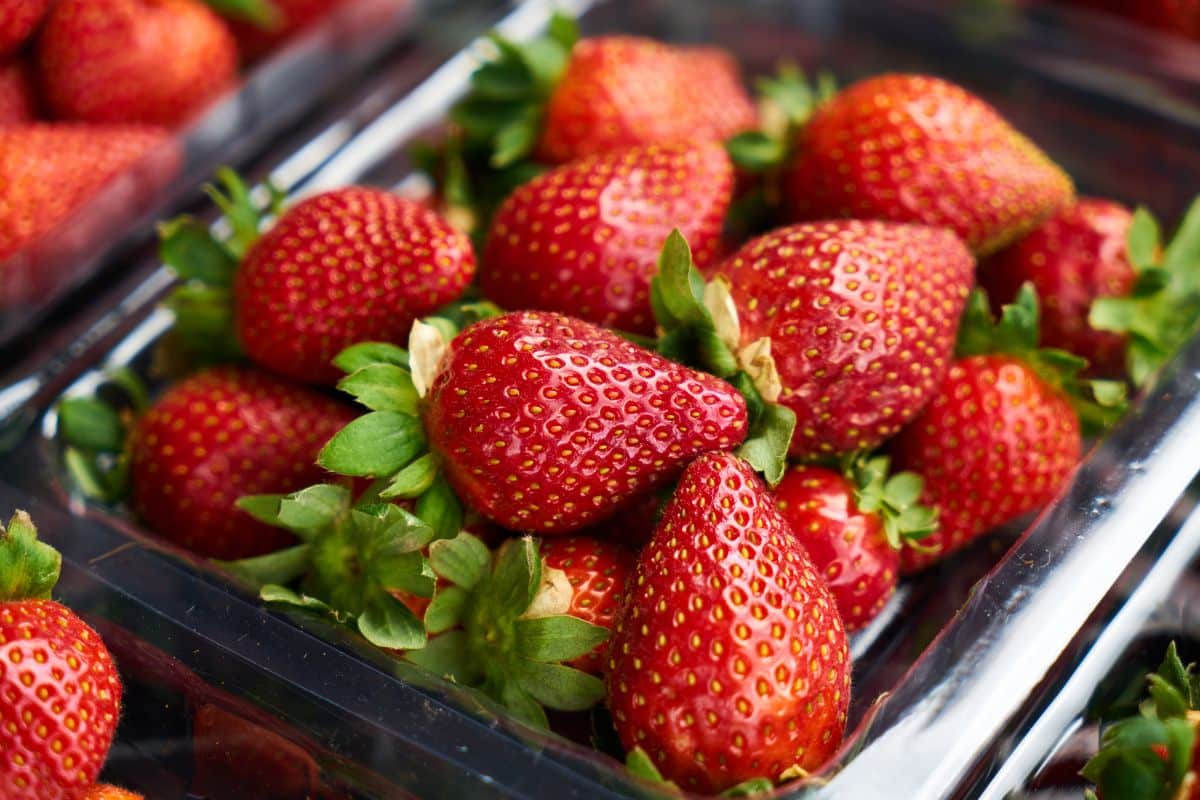
One bruised strawberry can turn an entire punnet into a moldy mess within 24 hours. That single fact changes everything about how you should think about storing these fruits. Most people instinctively reach for the fridge or drop them into a fruit bowl — both options accelerate spoilage faster than you’d expect. The real secret to keeping strawberries fresh lies somewhere else entirely, and it starts well before you even get home from the market.
Picking the right strawberries before storage even begins
Selection is half the battle. Unlike bananas or peaches, strawberries stop ripening the moment they’re harvested — what you pick at the market is exactly what you’ll eat. There’s no “leave them on the counter to ripen” strategy here. That’s why scrutinizing each punnet matters enormously.
Look for berries with a deep, uniform red color and bright green caps still firmly attached. Those leafy tops aren’t decorative — they slow moisture loss and protect the flesh beneath. Any berry with white or pale shoulders was picked too early and will taste flat no matter how you store it. One soft spot in the container ? Walk away, or at minimum remove that berry the second you get home.
Packaging influences shelf life more than most people realize. Plastic clamshells trap condensation against the fruit, which is exactly what you don’t want. Wooden or cardboard punnets allow air to move freely around the berries, dramatically slowing deterioration. When you have the choice, always go for breathable packaging.
Among varieties, Gariguette strawberries — a popular French elongated variety — tend to hold up better than large, high-water-content types. Smaller berries with concentrated flesh simply have less surface area for mold to colonize. Early-season varieties like Cléry also tend to be firmer and more storage-friendly than the juicier summer picks.
The best place to store strawberries (and why the fridge fails)
Here’s the uncomfortable truth : the refrigerator is a mediocre storage spot for strawberries. Cold air dries them out, alters their texture, and dulls the flavor compounds that make them taste like summer. The fruit bowl is even worse — ambient humidity and warmth create perfect mold conditions. So where should they actually go ?
A cool, dark, well-ventilated cupboard or cellar beats both options. The ideal temperature range sits between 2°C and 4°C (36–40°F) with gentle airflow. Here’s the method that genuinely works :
- Take a glass or plastic container with a lid.
- Line the base with a layer of paper towels to absorb excess moisture.
- Arrange unwashed strawberries in a single layer, green caps on.
- If you need a second layer, place another paper towel between the layers.
- Leave the lid slightly open, or pierce a few small holes to allow airflow.
- Store in your coolest cupboard, away from direct light.
Do not wash the berries before storing them. Water is the enemy at this stage. Moisture accelerates mold growth faster than almost anything else — just like white mold on soil that threatens plants, humidity triggers the same destructive fungal processes on fruit. Wash only immediately before eating.
If you’re forced to use the fridge, place the container toward the front where temperatures run slightly warmer, and plan to eat the berries within one to two days maximum.
| Storage location | Ideal temperature | Expected freshness | Main drawback |
|---|---|---|---|
| Cool dark cupboard (best method) | 2–4°C (36–40°F) | 4–5 days | Requires suitable space |
| Refrigerator (front shelf) | 4–6°C | 1–2 days | Alters texture and flavor |
| Fruit bowl / room temperature | 18–22°C | 12–24 hours | Rapid mold growth |
Simple treatments that genuinely extend strawberry life
Before storing, a quick vinegar rinse transforms your results. Mix one part white vinegar with three parts cold water. Submerge the berries for no more than two minutes, then spread them on paper towels and dry them thoroughly before placing them in your container. This short bath eliminates surface bacteria and mold spores without leaving any vinegar taste behind — similar to how certain kitchen acids work overnight on stubborn deposits without aggressive scrubbing.
Check your stored strawberries every single day. The moment one starts to soften or darken, remove it immediately. Decaying fruit releases ethylene gas, which speeds up deterioration in every nearby berry. This isn’t folk wisdom — it’s basic fruit biology. One rogue berry left unchecked can ruin the entire batch within hours.
For occasions when you need berries to last a day or two longer — say, for a dinner party — try a honey water dip. Dissolve one tablespoon of honey in one cup of cold water, briefly coat the strawberries, then dry and store as usual. The natural antimicrobial properties of honey create a thin protective barrier on the skin. It’s subtle, but it works.
Frankly, I’d skip the ethylene-sensitive placement entirely — never store strawberries near bananas, apples, or fruits like melons that release high levels of this ripening gas. That combination is a recipe for rapid rot. Keep them isolated in their dedicated container, and they’ll reward you with far more days of peak flavor than you’re currently getting.
One final tip worth acting on : if you grow your own strawberries and want maximum yield, soil nutrition matters upstream of everything else. The same principle applies to companion plants — for instance, understanding the best fertilizer choices for nutrient-hungry crops reveals how soil chemistry shapes fruit quality and keeping time from the very start.