
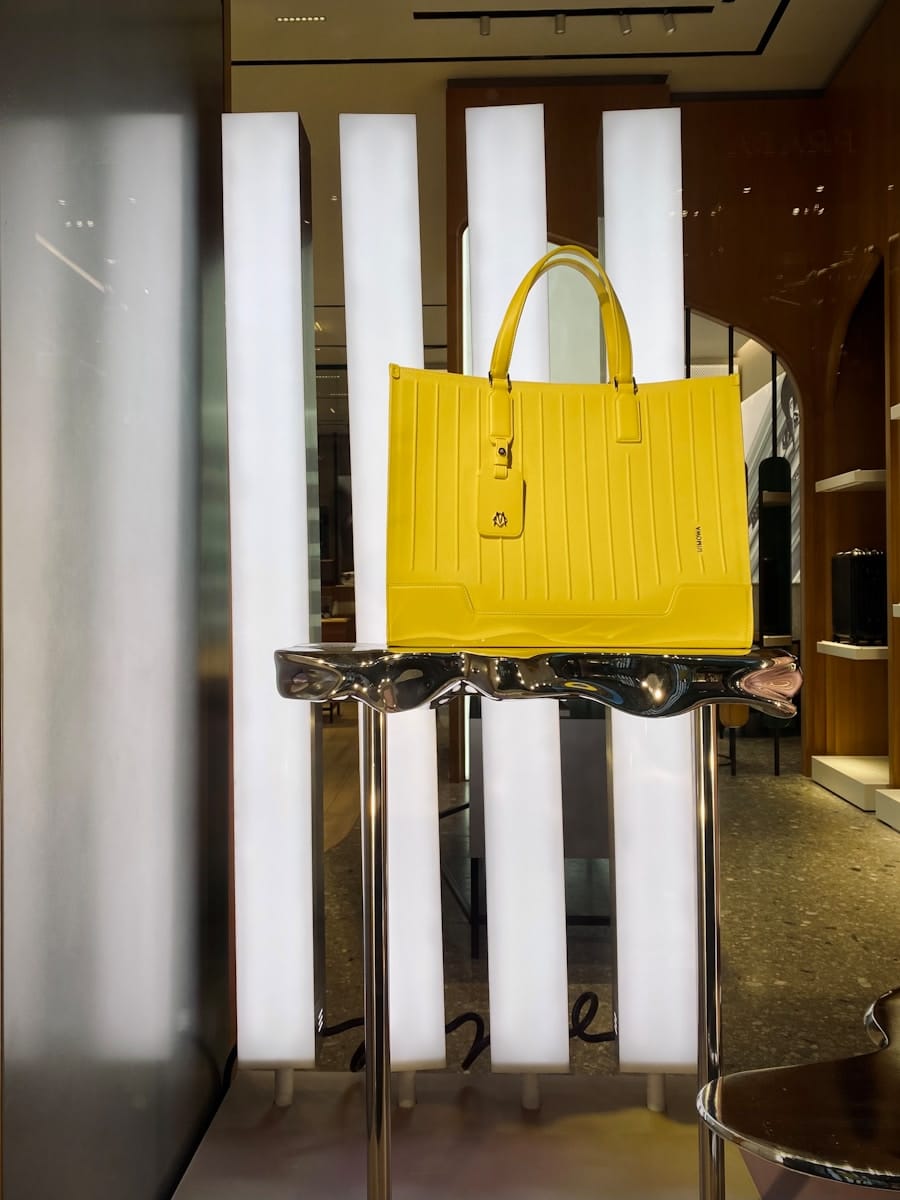
When shopping for a new handbag, understanding whether Dooney and Bourke qualifies as luxury requires examining multiple factors that define premium brands. This American heritage label occupies an interesting middle ground in the accessories market, offering quality craftsmanship without the astronomical price tags of haute couture houses. Founded in 1975, the brand has built a reputation for durable leather goods that appeal to consumers seeking elevated style without breaking the bank.
What defines luxury in the handbag industry today
The luxury handbag market operates on several key principles that separate prestigious brands from mid-tier alternatives. True luxury brands typically command prices exceeding $2,000 for standard designs, with limited editions reaching five or six figures. These houses like Hermès, Chanel, and Louis Vuitton leverage heritage craftsmanship, exclusive materials, and carefully controlled distribution channels to maintain their elite status.
Beyond pricing, authentic luxury positioning involves meticulous attention to sourcing rare materials, employing master artisans with decades of training, and maintaining production in traditional workshops rather than mass manufacturing facilities. These brands invest heavily in runway shows, celebrity partnerships, and aspirational marketing campaigns that reinforce their inaccessibility to average consumers. The waiting lists, boutique-only releases, and artificial scarcity further cement their position atop the fashion hierarchy.
Dooney and Bourke operates differently, focusing on accessible luxury rather than exclusivity. The brand produces handbags ranging from $150 to $600, positioning itself in the premium accessible category alongside Coach, Kate Spade, and Michael Kors. This pricing strategy makes quality leather goods attainable for middle-class professionals who appreciate fine craftsmanship but cannot justify spending a month’s salary on a single accessory.
Dooney and Bourke’s manufacturing process and material quality
The brand distinguishes itself through its commitment to traditional leatherworking techniques, particularly with their signature All-Weather Leather collection. This proprietary material undergoes a specialized tanning process that creates water-resistant properties while maintaining the supple texture consumers expect from genuine leather. The company sources cowhide from reputable tanneries and subjects each hide to rigorous quality control inspections before cutting patterns.
Construction methods reveal the brand’s dedication to durability rather than disposable fashion. Artisans use double-stitching on stress points, reinforce corners with hidden panels, and install hardware that resists tarnishing through daily use. The signature duck logo, embossed or attached as a brass charm, serves as a quality seal indicating the piece met manufacturing standards. Many owners report their Dooney and Bourke bags lasting 10 to 15 years with proper care, a longevity uncommon in contemporary fashion accessories.
| Feature | Dooney and Bourke | True Luxury Brands | Fast Fashion Brands |
|---|---|---|---|
| Price Range | $150-$600 | $2,000-$10,000+ | $30-$150 |
| Material Quality | Genuine leather, proprietary treatments | Exotic skins, rare materials | Synthetic materials, bonded leather |
| Production Location | USA and international facilities | European ateliers | Mass production factories |
| Lifespan | 10-15 years | Lifetime with care | 1-3 years |
However, the brand has expanded production beyond its Connecticut roots, now manufacturing in facilities across Asia and Central America. This shift allowed competitive pricing but raised questions among purists about whether offshored production diminishes the premium perception. The company maintains quality oversight regardless of location, though some longtime customers notice subtle differences between American-made vintage pieces and contemporary imports.
Market positioning between premium and accessible segments
Understanding Dooney and Bourke’s niche requires recognizing the accessible premium category that emerged in recent decades. This segment addresses consumers who value quality construction and recognizable branding but reject the elitism and environmental waste associated with ultra-luxury consumption. Similar to how someone might choose healthy and ethical alternatives to Bath Body Works for personal care, conscious shoppers seek handbag options that balance quality with reasonable pricing.
The brand competes directly with Coach, particularly in outlet retail environments where both companies offer previous season styles at 30 to 50 percent discounts. This distribution strategy differs markedly from luxury houses that destroy unsold inventory rather than risk brand dilution through discount channels. Department stores like Macy’s and Dillard’s feature Dooney and Bourke prominently, providing accessibility that Hermès or Bottega Veneta would never permit.
Consumer perception studies reveal interesting demographics : Dooney and Bourke customers typically range from late twenties to retirement age, with household incomes between $50,000 and $120,000 annually. These buyers appreciate visible quality without needing status validation through instantly recognizable monogram patterns. The brand appeals to professionals seeking polished accessories for workweek styling, contrasting with luxury buyers pursuing weekend statement pieces and social media content.
Marketing approaches further distinguish the brand from luxury competitors. Rather than aspirational campaigns featuring unattainable lifestyles, Dooney and Bourke emphasizes practical benefits like organizational pockets, convertible straps, and protective bottom feet. This functional messaging resonates with consumers prioritizing utility alongside aesthetics, much like those embracing an eco-warrior lifestyle value substance over superficial trends.
Assessing value retention and investment potential
Unlike Hermès Birkins or Chanel Classic Flaps that appreciate over time, Dooney and Bourke handbags depreciate following purchase, similar to most fashion accessories. The secondary market reveals bags selling for 40 to 70 percent below original retail prices, depending on condition and style popularity. Vintage pieces from the 1980s occasionally command premium prices among collectors, particularly rare color combinations in the All-Weather Leather line.
This depreciation pattern actually benefits budget-conscious shoppers who can acquire nearly-new styles through consignment platforms at significant savings. The robust construction means pre-owned bags often retain full functionality despite cosmetic wear, offering exceptional value for practical users rather than collectors. However, buyers seeking handbags as financial investments should focus elsewhere, as these accessories serve fashion purposes rather than wealth preservation.
Key factors affecting value retention include :
- Limited edition collaborations with Disney or MLB teams maintain collector interest
- Signature styles like the Cavalry collection perform better than trendy seasonal designs
- Condition significantly impacts resale, with unused tags doubling secondary market prices
- Neutral colors (black, tan, brown) sell faster than bold seasonal shades
- Smaller crossbody styles currently outperform large totes in resale markets
Ultimately, Dooney and Bourke occupies a respected position between mass-market brands and genuine luxury houses, offering quality craftsmanship at accessible price points without the pretense or investment potential of haute couture accessories.