
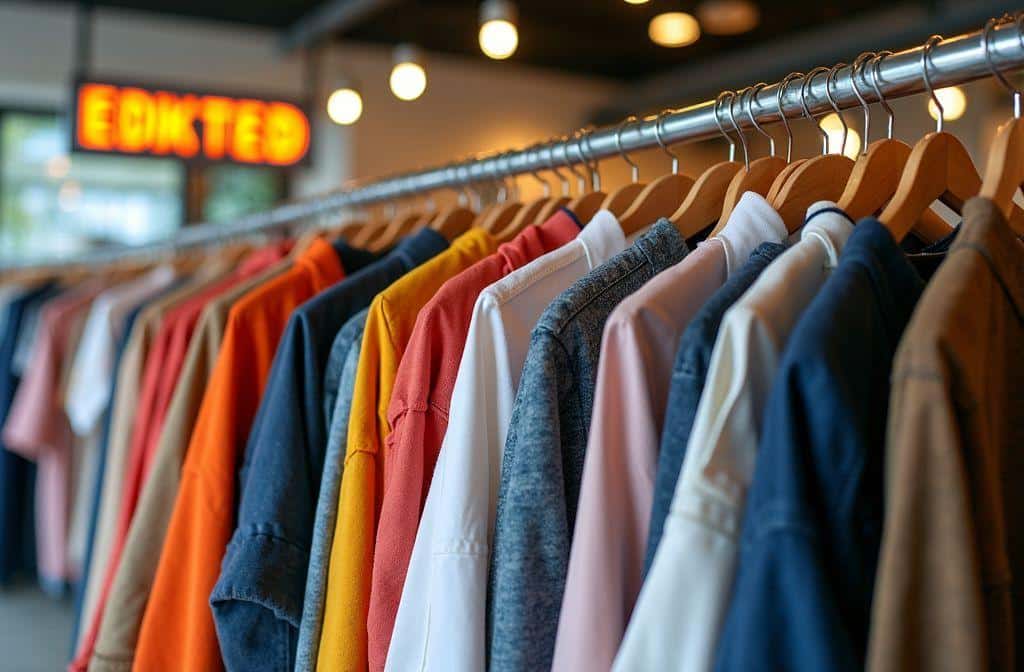
Edikted has rapidly emerged as one of the most talked-about brands among fashion-conscious consumers, particularly on social media platforms where influencers showcase their latest purchases. With its trendy designs, accessible pricing, and seemingly endless stream of new collections, the brand has captured the attention of shoppers seeking affordable yet stylish pieces. However, as awareness around sustainable fashion grows, many consumers are questioning whether Edikted operates as a fast fashion retailer and what implications this has for both ethical consumption and environmental responsibility.
Understanding Edikted’s business model and production practices
Edikted positions itself as a contemporary fashion brand that delivers trend-driven clothing at competitive price points. The company’s business model centers around quickly translating runway trends and social media aesthetics into affordable garments that appeal to younger demographics, particularly Gen Z and millennial consumers. Unlike traditional fashion houses that operate on seasonal collections with months of planning, Edikted maintains an agile production system that allows them to introduce new styles frequently throughout the year.
The brand’s pricing strategy immediately raises questions about its manufacturing processes. With dresses often retailing between thirty and sixty dollars and tops available for under thirty, these price points suggest production in regions with lower labor costs. Fast fashion brands typically achieve such affordability through high-volume manufacturing in countries where wage standards differ significantly from Western markets. While Edikted hasn’t extensively publicized its supply chain details, the rapid turnover of inventory and accessible pricing align closely with conventional fast fashion operational patterns that prioritize speed and cost-efficiency over sustainable production methods.
The brand’s online presence emphasizes constant newness, with the website regularly featuring fresh arrivals and limited-time collections. This approach encourages frequent purchasing and creates urgency among consumers who fear missing out on trending pieces. Such marketing tactics are hallmarks of fast fashion retailers that depend on volume sales rather than garment longevity. The psychological drive to purchase before items sell out perpetuates a cycle of consumption that ultimately generates significant textile waste when pieces quickly fall out of fashion or wear out after minimal use.
Environmental impact and sustainability considerations
When evaluating whether Edikted qualifies as fast fashion, examining its environmental footprint becomes essential. The fashion industry ranks among the world’s most polluting sectors, with fast fashion contributing disproportionately to carbon emissions, water pollution, and textile waste. Brands that produce high volumes of inexpensive clothing typically rely on synthetic materials derived from petroleum products, including polyester and nylon, which require significant energy to manufacture and take hundreds of years to decompose in landfills.
Edikted’s product descriptions frequently mention polyester blends and synthetic fabrics, which offer cost advantages but carry substantial environmental consequences. The production of these materials releases greenhouse gases, while washing garments made from synthetics releases microplastics into water systems, eventually reaching oceans and entering food chains. Additionally, the dyeing and finishing processes associated with fast fashion garments often involve toxic chemicals that contaminate water supplies in manufacturing regions, affecting both ecosystems and local communities.
| Sustainability factor | Fast fashion typical practice | Edikted’s apparent approach |
|---|---|---|
| Production speed | Rapid turnaround (2-4 weeks) | Frequent new releases |
| Material sourcing | Primarily synthetic fibers | Predominantly polyester blends |
| Transparency | Limited supply chain disclosure | Minimal public information |
| Pricing strategy | Ultra-low prices | Budget-friendly positioning |
| Quality emphasis | Short-term wearability | Trend-focused durability |
The brand’s transparency regarding sustainability initiatives remains limited compared to companies actively working toward ethical fashion standards. While some contemporary retailers have begun publishing sustainability reports detailing carbon footprints, water usage, and labor practices, Edikted has not prominently featured such information on its platforms. This lack of disclosure makes it difficult for conscious consumers to assess the brand’s genuine commitment to environmental responsibility and ethical manufacturing practices, similar to concerns raised about other trendy brands like Is Athleta fast fashion, where consumers question sustainability credentials.
Comparing Edikted to established fast fashion retailers
To accurately determine whether Edikted operates as a fast fashion brand, comparing its practices to established players in the industry provides valuable context. Traditional fast fashion giants have built empires on several key principles that Edikted appears to emulate in various capacities.
The following characteristics typically define fast fashion operations :
- Rapid design-to-retail cycles that compress traditional fashion timelines from months to weeks
- High-volume production runs that prioritize quantity over craftsmanship and longevity
- Aggressive pricing strategies that undercut traditional retailers and make disposable fashion economically feasible
- Marketing approaches that emphasize constant newness and create urgency through limited availability
- Minimal investment in sustainable materials or ethical labor practices to maintain profit margins
Edikted demonstrates alignment with these characteristics through its business operations and market positioning. The brand’s Instagram feed showcases new arrivals multiple times weekly, suggesting a production schedule that mirrors fast fashion timelines. Customer reviews frequently mention thin fabrics and construction quality that prioritizes aesthetics over durability, indicating garments designed for short-term wear rather than wardrobe longevity. These observations suggest that while Edikted may market itself with a slightly elevated image compared to ultra-budget retailers, its fundamental approach shares the core DNA of fast fashion business models.
Making informed purchasing decisions with Edikted
Understanding Edikted’s position within the fashion landscape empowers consumers to make choices aligned with their values and budgets. For shoppers prioritizing sustainable fashion consumption, recognizing the brand’s fast fashion characteristics enables more thoughtful purchasing decisions that consider both personal style preferences and broader environmental implications.
If you choose to purchase from Edikted despite its fast fashion attributes, adopting mindful shopping practices can mitigate some negative impacts. Consider buying fewer pieces that truly resonate with your personal style rather than impulse purchasing based on fleeting trends. Focus on items constructed from higher-quality materials when available, as these pieces typically withstand more wears and washes. Taking proper care of garments through gentle washing, air drying, and prompt repairs extends their lifespan significantly, reducing the frequency of replacements needed.
Alternatively, consumers committed to ethical fashion practices might explore brands that prioritize transparency, sustainable materials, and fair labor conditions. While these alternatives often carry higher price tags, they typically offer superior quality that justifies the investment through extended wearability. Shopping secondhand through vintage stores, consignment shops, or online resale platforms also provides access to trendy pieces without contributing to new production demands. Building a capsule wardrobe with versatile, timeless pieces reduces the temptation to constantly chase trends, ultimately creating a more sustainable and economical approach to personal style that transcends seasonal fashion cycles promoted by fast fashion retailers.