
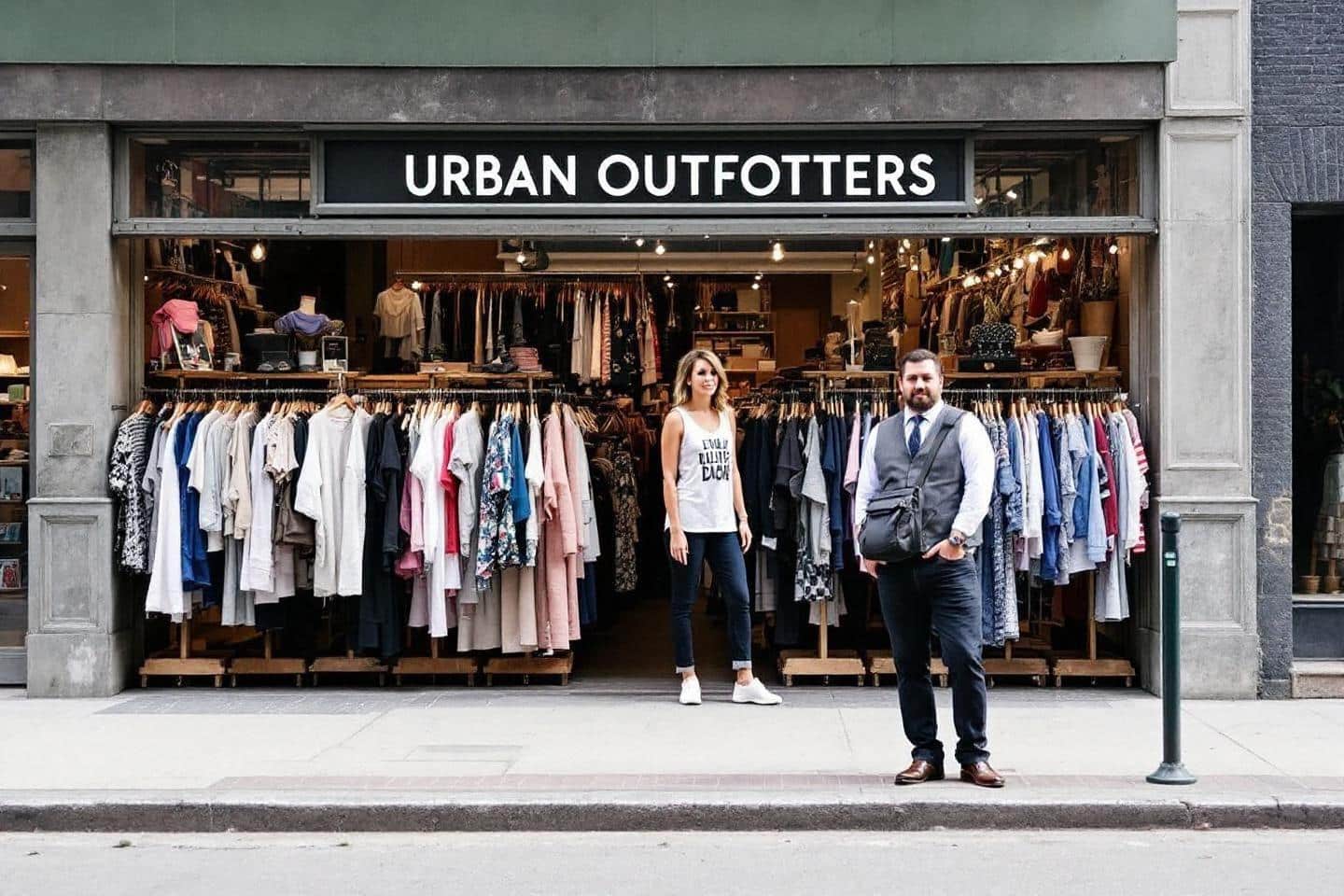
When you walk into an Urban Outfitters store, you’re greeted by trendy displays and Instagram-worthy aesthetic. This Philadelphia-based retailer has become synonymous with millennial and Gen-Z fashion, offering everything from vintage-inspired denim to boho dresses. But as consumers become increasingly conscious about their purchasing decisions, one question keeps surfacing : is Urban Outfitters fast fashion ? The answer requires looking beyond the carefully curated storefronts to understand what really happens behind the scenes.
Urban Outfitters occupies a peculiar space in the retail landscape. Unlike traditional fast fashion giants that churn out hundreds of new styles weekly, this brand positions itself as a lifestyle destination rather than just a clothing store. However, their business model shares several characteristics with fast fashion operations, making the classification more complex than it initially appears.
Understanding Urban Outfitters’ business model and production practices
Urban Outfitters operates under URBN, a parent company that also owns Anthropologie, Free People, and Terrain. This corporate structure allows them to target different market segments while maintaining significant purchasing power. The brand’s production strategy combines third-party manufacturing with strategic partnerships, primarily relying on overseas factories to keep costs manageable.
The company releases new products regularly, though not at the breakneck speed of retailers like Shein or Zara. Their inventory turnover happens quickly, with trends shifting every few weeks to maintain that fresh, constantly evolving aesthetic their customers expect. This rapid rotation cycle mirrors traditional fast fashion operational patterns, even if the volume differs slightly.
Most Urban Outfitters clothing comes from countries with lower labor costs, including China, Bangladesh, and Vietnam. While the company publishes a list of manufacturing facilities, transparency about working conditions remains limited. Independent audits rarely verify the claims made about fair wages or safe working environments. This lack of comprehensive oversight raises concerns about whether workers receive adequate compensation and protection.
The pricing strategy reveals another dimension of their business approach. Items typically cost more than ultra-fast fashion alternatives but significantly less than sustainable brands. This middle-ground positioning allows them to attract budget-conscious shoppers while maintaining a perception of quality. However, those moderate price points often don’t reflect the true cost of production, environmental impact, or worker welfare.
Examining sustainability claims and environmental impact
Urban Outfitters has made some commitments toward sustainability, launching initiatives like their UO Renewables collection featuring recycled materials. They’ve also pledged to reduce their carbon footprint and increase the use of organic cotton. On paper, these efforts sound promising, but the actual implementation tells a different story.
According to Fashion Revolution’s Fashion Transparency Index, Urban Outfitters scores relatively low compared to brands genuinely committed to sustainability. The company provides minimal information about their supply chain, making it difficult for consumers to verify their environmental claims. Third-party certifications and independent verification remain notably absent from most of their sustainability assertions.
| Sustainability aspect | Urban Outfitters approach | Impact level |
|---|---|---|
| Material sourcing | Limited use of sustainable fabrics | Low to moderate |
| Supply chain transparency | Basic factory list published | Low |
| Waste reduction | Some recycling programs in stores | Minimal |
| Carbon emissions | Pledges made without clear targets | Unclear |
The environmental footprint extends beyond manufacturing. Urban Outfitters’ business model encourages frequent purchases through constant new arrivals and trend-driven marketing. This consumption pattern generates significant textile waste, as items quickly fall out of favor. When examining brands like Aritzia and their fast fashion classification, similar patterns emerge despite different price points and brand positioning.
The company’s packaging and shipping practices also contribute to environmental concerns. While they’ve introduced some recyclable materials, the overall volume of packaging from online orders creates substantial waste. Their brick-and-mortar stores use considerable energy for lighting and climate control, though specific reduction targets remain vague.
Comparing Urban Outfitters with other contemporary retailers
To truly understand where Urban Outfitters falls on the sustainability spectrum, comparing them with other retailers provides valuable context. They operate differently from ultra-fast fashion brands that release thousands of styles monthly, yet they can’t match the transparency and ethical practices of genuinely sustainable companies.
Several key factors distinguish their approach :
- Product quality and longevity : Items generally last longer than disposable fast fashion but don’t match durability of premium sustainable brands
- Price positioning : Mid-range pricing creates accessibility without the race-to-bottom cost structure
- Marketing strategy : Emphasis on lifestyle and aesthetic rather than pure trend-chasing
- Production volume : Lower output compared to mega-retailers but still substantial enough to raise sustainability concerns
- Design originality : Mix of in-house designs and purchased brands, though accusations of copying independent designers persist
When comparing them to brands focusing on performance and sustainability, such as those explored in discussions about whether Athleta qualifies as fast fashion, the differences in commitment become apparent. Urban Outfitters hasn’t made the same level of investment in sustainable materials, transparent manufacturing, or worker welfare programs.
The competitive landscape continues evolving as consumers demand more accountability. Some retailers have responded with comprehensive sustainability reports, third-party audits, and verifiable commitments. Urban Outfitters’ response has been comparatively modest, suggesting that sustainability remains secondary to profit margins and trend-driven sales.
Making informed decisions about your fashion purchases
So what does this mean for consumers trying to shop more responsibly ? Urban Outfitters sits in a gray area between traditional fast fashion and sustainable alternatives. While they’re not the worst offender in the industry, they’re far from leading the charge toward ethical and environmental responsibility.
If you choose to shop at Urban Outfitters, several strategies can minimize your impact. Prioritize items from their sustainable collections, even though these represent a small fraction of their inventory. Look for natural fibers like cotton, linen, or wool rather than synthetic materials that shed microplastics. Consider the cost-per-wear ratio before purchasing, asking yourself whether you’ll genuinely wear an item multiple times.
Shopping secondhand Urban Outfitters items through resale platforms offers another option. This approach extends the lifecycle of existing garments without supporting new production. Many items maintain good condition, making them suitable for continued use by different owners.
Ultimately, the classification of Urban Outfitters as fast fashion depends partly on your definition. They incorporate many fast fashion elements including rapid turnover, overseas manufacturing, and trend-driven design. However, they differ from the most extreme examples in terms of volume and speed. Understanding these nuances helps consumers make choices aligned with their values while recognizing that perfect options rarely exist in mainstream retail.