
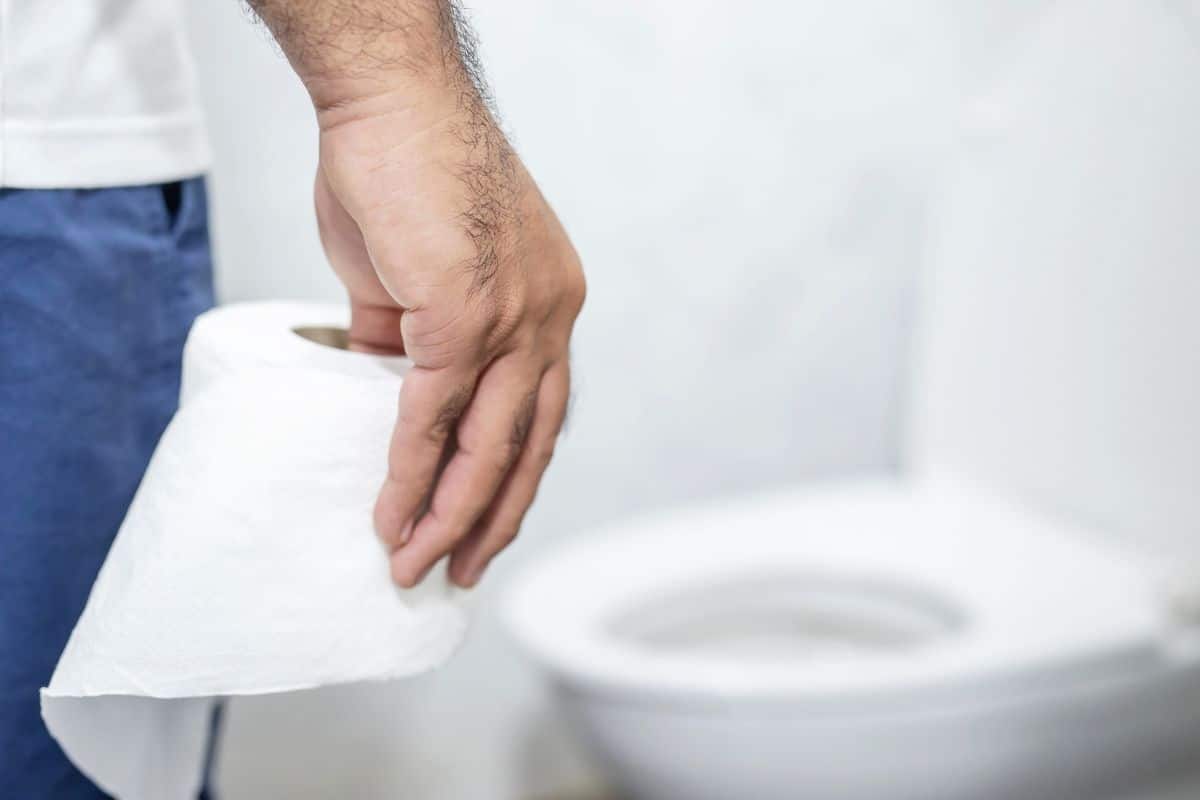
Modern bathroom habits face a revolutionary shift as environmental concerns and health discoveries challenge the dominance of traditional toilet paper. This everyday product, deeply embedded in Western culture since the mid-19th century when Joseph Gayetty introduced it commercially in the United States, now confronts questions about its sustainability and safety. The panic-buying episodes during the 2020 COVID-19 pandemic demonstrated our psychological dependence on this product, yet simultaneously highlighted the need to reconsider our sanitary practices.
Environmental organizations worldwide increasingly point toward the ecological footprint of toilet paper production, particularly varieties marketed as ultra-soft or premium. Manufacturing processes require substantial amounts of virgin fibers to achieve that desirable plushness, leading to significant deforestation impacts. This reality contradicts the common perception that toilet paper represents an eco-friendly choice simply because it disintegrates easily.
Environmental and health concerns driving change
Recent scientific investigations have uncovered disturbing truths about chemical contaminants in toilet paper. Researchers at the University of Florida conducted comprehensive analyses of wastewater systems and toilet paper samples from various global regions. Their findings revealed the presence of what scientists term “forever chemicals” – persistent substances that accumulate in environments and potentially pose health risks over extended exposure periods.
These revelations add another dimension to the debate surrounding toilet paper alternatives. The study examined samples from diverse geographic locations, discovering consistent patterns of potentially hazardous compounds across different brands and manufacturing origins. This discovery raises fundamental questions about daily exposure to substances previously considered benign or negligible in household products.
Beyond chemical concerns, hygiene specialists note that toilet paper fails to provide thorough cleaning compared to water-based methods. This inadequacy often results in skin irritations, discomfort, and incomplete sanitation. Traditional paper-based approaches simply move residue rather than eliminating it completely, a reality that becomes apparent when considering alternative cleaning methods used successfully in other cultures.
| Cleaning method | Hygiene effectiveness | Environmental impact | Cost factor |
|---|---|---|---|
| Traditional toilet paper | Moderate | High (deforestation) | Ongoing expense |
| Bidet systems | Excellent | Low (minimal resources) | Initial investment |
| Reusable cloth | Very good | Very low | Minimal recurring cost |
| Electronic bidet attachments | Excellent | Low to moderate | Moderate upfront cost |
Global perspectives on bathroom hygiene
Cultural practices across continents offer fascinating insights into alternative sanitation methods. Countries throughout the Middle East and Southeast Asia have maintained water-based cleansing traditions for centuries, considering them superior to paper-based approaches. In nations like Jordan, Egypt, and India, bathroom facilities typically feature squat toilets positioned over floor drains, accompanied by water buckets or handheld spray nozzles for thorough cleaning.
These established practices demonstrate that Western reliance on toilet paper represents just one approach among many viable options. Communities using water-based methods report fewer instances of irritation and greater satisfaction with cleanliness levels. The transition from toilet paper to alternative methods requires cultural adjustment, yet populations accustomed to water-based hygiene often express reluctance to adopt paper-only systems when traveling to Western countries.
The historical context reveals interesting patterns. Ancient Chinese texts from the sixth century BCE reference early paper usage for sanitary purposes, though modern toilet paper only emerged during the 1800s. This relatively recent adoption suggests that alternatives to conventional toilet paper aren’t radical departures but rather returns to time-tested methods enhanced by contemporary technology. Much like how innovative furniture solutions transform limited spaces, bathroom innovations can revolutionize daily routines within existing constraints.
Practical alternatives emerging in modern markets
Several viable options are gaining traction among environmentally conscious consumers seeking sustainable bathroom solutions. Traditional standalone bidets remain popular in European households, offering thorough water-based cleaning without generating paper waste. These fixtures, common in countries like Italy and France, provide superior hygiene while drastically reducing household consumption of disposable products.
Electronic bidet attachments represent technological advancement in personal hygiene. These devices retrofit existing toilets with integrated water-spray functions, adjustable pressure settings, and temperature controls. Many models include :
- Self-cleaning nozzles that maintain optimal hygiene between uses
- Heated water options for enhanced comfort during colder months
- Adjustable pressure settings accommodating individual preferences and sensitivities
- Energy-efficient designs minimizing environmental impact beyond paper reduction
- Compact installations suitable for various bathroom configurations
Reusable cloth alternatives provide another sustainable option, typically manufactured from soft cotton materials. Users store soiled cloths in designated containers before washing them with regular laundry cycles. While this approach requires adjustment to new routines, advocates emphasize significant cost savings and environmental benefits over time. Quality reusable products withstand hundreds of wash cycles, effectively eliminating ongoing purchases of disposable paper products.
Consumer adoption patterns suggest growing interest in these alternatives, particularly among younger demographics concerned with environmental stewardship. Market research indicates that essential home products for sustainable living increasingly prioritize eco-friendly credentials alongside functionality and design aesthetics.
Transitioning toward sustainable bathroom practices
The shift away from conventional toilet paper accelerates as awareness spreads regarding environmental consequences and health considerations. Manufacturing processes consuming virgin forest resources become increasingly difficult to justify when effective alternatives exist. The combination of ecological impact, chemical contamination concerns, and inferior cleaning performance creates compelling reasons to explore different approaches.
Implementation strategies vary based on individual circumstances and cultural contexts. Households might begin by installing bidet attachments while maintaining paper supplies during transition periods. Gradual adoption allows family members to adjust preferences and develop new habits without forced change. Educational initiatives highlighting hygiene benefits alongside environmental advantages help overcome initial resistance rooted in unfamiliarity rather than legitimate drawbacks.
Commercial establishments and public facilities face unique challenges when considering alternatives to paper-based systems. However, successful implementations in various countries demonstrate feasibility when proper infrastructure and maintenance protocols accompany installation. The long-term financial savings from eliminated paper purchasing and disposal often justify initial investment costs within surprisingly short timeframes.