
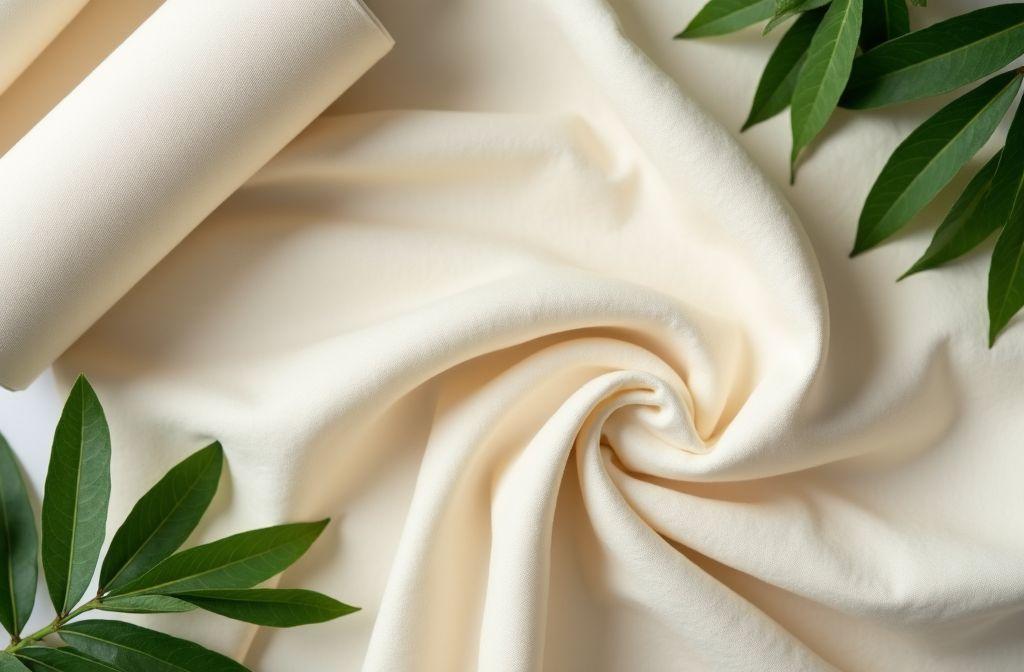
Cupro fabric represents an intriguing intersection between natural origins and innovative textile technology. This regenerated cellulose fiber, derived from cotton linter, has captured the attention of fashion designers and conscious consumers alike. As the textile industry evolves towards more sophisticated materials, understanding what cupro is and how it fits into modern wardrobe choices becomes increasingly relevant for anyone interested in fabric quality and performance.
Understanding cupro fiber and its manufacturing process
Cupro material originates from cotton linter, the fine silky fibers that adhere to cottonseed after the ginning process removes longer cotton fibers. These short fibers, otherwise considered a byproduct of cotton production, undergo a complex chemical transformation to create this remarkable textile. The manufacturing process involves dissolving cotton linter in a copper-ammonia solution, which is where the fabric derives its name from the Latin word for copper.
The production method follows what’s known as the cuprammonium process, developed in the late 19th century. Manufacturers immerse the dissolved cellulose into a spinning bath where it regenerates into filament form. This transformation creates continuous filament yarns with exceptional smoothness and uniformity. The Japanese company Asahi Kasei pioneered modern cupro production under the trade name Bemberg, establishing quality standards that remain industry benchmarks today.
The molecular structure of cupro closely resembles natural cellulose, which explains many of its desirable properties. Unlike synthetic fibers that are petroleum-based, cupro maintains its natural fiber origins while offering the consistency and performance characteristics typically associated with man-made materials. This unique positioning makes it particularly valuable for applications requiring both natural fiber benefits and synthetic fiber reliability.
Key properties and performance characteristics
Cupro textile exhibits a distinctive set of properties that distinguish it from both natural and synthetic alternatives. The fabric possesses an exceptionally smooth surface that creates a luxurious hand feel, often compared to silk. This smoothness results from the regeneration process, which produces fibers with a perfectly round cross-section, eliminating the irregularities found in natural fibers.
The breathability of cupro ranks among its most celebrated attributes. The fiber structure allows excellent air circulation and moisture absorption, making garments comfortable across various temperature conditions. This natural breathability prevents the clammy feeling often associated with synthetic materials, while the moisture-wicking properties keep skin dry during physical activity.
| Property | Cupro performance | Comparable to |
|---|---|---|
| Drape quality | Excellent fluidity | Silk, rayon |
| Moisture absorption | High (11-13%) | Cotton, viscose |
| Static resistance | Very good | Natural fibers |
| Wrinkle resistance | Moderate to good | Polyester blends |
| Color retention | Excellent | Synthetic fibers |
Durability represents another significant advantage. While cupro requires careful handling during washing, properly maintained garments demonstrate impressive longevity. The fabric resists pilling and maintains its appearance through multiple wear cycles. Additionally, cupro fibers exhibit good dimensional stability, meaning garments retain their shape without excessive stretching or shrinking when laundered according to care instructions.
Common applications in fashion and textiles
The versatility of cupro extends across numerous fashion and textile applications. Designers frequently select this material for lining high-end garments, where its smooth surface prevents friction and facilitates easy dressing. The fabric’s ability to reduce static cling makes it particularly suitable for lining coats, jackets, and structured dresses.
Evening wear and luxury apparel represent primary uses for cupro fabric. Its silk-like appearance and elegant drape make it ideal for flowing dresses, blouses, and scarves. The material accepts dyes exceptionally well, producing rich, vibrant colors that appeal to fashion-forward consumers. Many contemporary designers incorporate cupro into sustainable luxury collections, appreciating both its aesthetic qualities and relatively eco-conscious production methods.
Beyond apparel, cupro finds applications in several specialized textile sectors :
- Activewear and sportswear where breathability and moisture management are essential
- Sleepwear and intimate apparel that benefit from the fabric’s soft touch and temperature regulation
- Home textiles including curtains and bedding where drape and luster create visual appeal
- Accessory items such as scarves, ties, and pocket squares requiring refined appearance
Environmental considerations and sustainability aspects
The sustainability profile of cupro presents a nuanced picture requiring careful examination. On positive fronts, the fabric utilizes cotton linter that would otherwise go to waste, giving new purpose to agricultural byproducts. This resource efficiency approach reduces overall waste in the cotton supply chain and maximizes value from existing crop production.
Biodegradability stands as another environmental advantage. Unlike petroleum-based synthetics that persist in landfills for decades, cupro decomposes naturally when disposed of properly. The cellulose-based composition breaks down through biological processes, returning to the environment without leaving permanent residues. This characteristic aligns well with circular economy principles gaining traction in sustainable fashion movements.
However, the production process raises legitimate environmental concerns. The copper-ammonia solution used in manufacturing requires careful handling and disposal. Modern production facilities, particularly those in Japan, have developed closed-loop systems that recover and recycle these chemicals, significantly reducing environmental impact. These advanced processes capture up to 99% of chemicals for reuse, though not all global production facilities maintain these stringent standards.
Water consumption during cupro production remains moderate compared to conventional cotton cultivation but higher than some synthetic alternatives. Energy requirements for the regeneration process also factor into the overall environmental footprint. Consumers concerned about sustainability should seek cupro products from manufacturers with transparent environmental practices and third-party certifications verifying responsible production methods.