
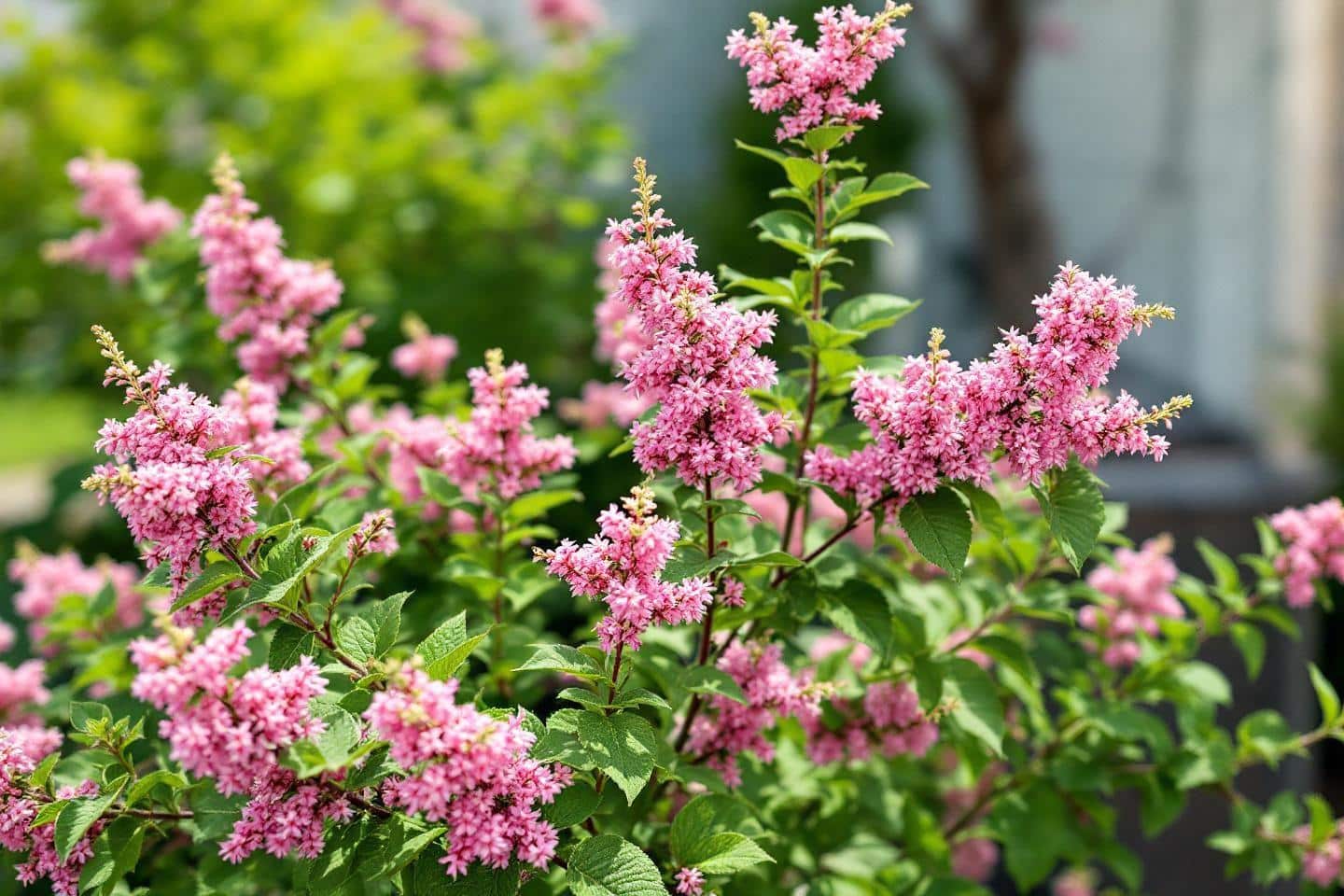
Spirea shrubs stand among the most beloved flowering plants in gardens worldwide, offering cascading blooms and reliable performance season after season. Understanding proper pruning timing makes the difference between sparse flowering and abundant displays that transform your landscape. Many gardeners struggle with determining the right moment to trim these versatile shrubs, often sacrificing next season’s blooms through well-intentioned but mistimed cuts.
The secret lies in recognizing your spirea’s blooming pattern and adjusting your pruning schedule accordingly. These deciduous beauties fall into distinct categories that dictate when shears should meet branches, and knowing which type you’re growing becomes your first step toward gardening success.
Understanding spirea varieties and their distinct blooming cycles
Spirea shrubs divide into two primary categories based on blooming time and growth habits. Spring-blooming spireas, including popular varieties like Vanhoutte and bridal wreath, produce their spectacular flower displays on old wood from the previous year’s growth. These cultivars set their flower buds during late summer and autumn, carrying them through winter dormancy before exploding into bloom when temperatures rise.
Summer-blooming spireas, such as Japanese spirea (Spiraea japonica) and Bumald spirea, follow an entirely different pattern. These varieties generate flowers on current season’s growth, meaning the branches that emerge in spring will bear blooms by midsummer. This fundamental difference dramatically affects when you should reach for your pruning tools.
Identifying your spirea type requires observation of flowering patterns and foliage characteristics. Spring bloomers typically showcase white or cream-colored flowers in dramatic arching sprays, while summer varieties often display pink or red blooms in flat-topped clusters atop compact, rounded forms. The foliage also provides clues, with spring types generally featuring darker green leaves and summer varieties sometimes offering colorful seasonal foliage changes.
| Spirea type | Blooming period | Optimal trimming time | Growth pattern |
|---|---|---|---|
| Spring-blooming | April to June | Late spring after flowering | Flowers on old wood |
| Summer-blooming | June to September | Late winter to early spring | Flowers on new wood |
Optimal timing for spring-blooming spirea maintenance
Spring-blooming spireas demand patience from gardeners eager to tidy their landscapes. The ideal pruning window opens immediately after flowering concludes, typically falling between late May and early July depending on your geographic location. This timing allows the shrub to redirect energy toward producing new growth that will mature and set flower buds before autumn arrives.
Trimming these varieties too late in the season removes the developing flower buds, resulting in disappointing sparse blooms the following spring. Waiting until fall or performing winter pruning sessions essentially sacrifices next year’s floral display. The shrub won’t suffer permanent damage, but you’ll miss an entire blooming cycle while waiting for recovery.
When working with spring bloomers, focus on removing spent flower clusters first, cutting back to strong lateral branches. This practice, called deadheading, prevents seed formation and encourages vegetative growth. Following this initial cleanup, address any damaged, crossing, or excessively old stems by cutting them back to ground level or to vigorous young shoots.
Consider these essential steps for spring-blooming varieties :
- Wait until flowers completely fade before beginning any major pruning work
- Remove approximately one-third of the oldest stems at ground level annually
- Shape the shrub by cutting back overgrown branches to outward-facing buds
- Avoid heavy pruning after mid-July to protect developing flower buds
- Maintain the natural arching form rather than forcing geometric shapes
Strategic approaches for summer-blooming spirea care
Summer-flowering spireas offer considerably more flexibility regarding trimming schedules and techniques. Since these cultivars produce blooms on current season’s wood, pruning in late winter or early spring stimulates vigorous new growth that will flower abundantly within months. Many gardeners choose late February through March, timing their work before buds begin swelling but after the harshest winter weather passes.
These varieties tolerate aggressive pruning remarkably well, sometimes benefiting from rejuvenation cutting that removes up to one-half of the shrub’s height. This dramatic approach generates dense, compact growth covered in flowers throughout summer months. For Japanese spireas like ‘Goldflame’ or ‘Little Princess’, cutting stems back to six to twelve inches above ground level produces spectacular results.
Deadheading spent blooms throughout the growing season encourages repeat flowering performance in many summer spirea varieties. Simply snip off faded flower clusters with hand pruners, cutting back to the next set of leaves. This lightweight maintenance takes minimal time but extends the colorful display well into early autumn.
Consider implementing a rotation schedule for mature summer spireas, removing one-quarter to one-third of the oldest stems annually. This gradual renewal maintains shrub vigor and flowering potential while preventing the bare, woody appearance that develops when older specimens go unpruned for extended periods. Target stems thicker than your thumb, cutting them at ground level to stimulate fresh basal growth.
Maximizing health and appearance through proper technique
Regardless of your spirea variety, using sharp, clean pruning tools protects plant health and promotes rapid healing. Bypass pruners work best for stems up to three-quarters inch diameter, while loppers handle thicker wood efficiently. Disinfect blades between plants using rubbing alcohol or diluted bleach solution to prevent disease transmission.
Make cuts at forty-five degree angles approximately one-quarter inch above outward-facing buds or branch junctions. This technique prevents water accumulation on cut surfaces while directing new growth away from the shrub’s center, maintaining good air circulation that reduces disease pressure. Avoid leaving stubs, which die back and create entry points for pathogens.
Beyond timing considerations, environmental factors influence pruning success. Avoid working with wet or stressed plants, as moisture on foliage spreads fungal spores while drought-stressed tissues heal slowly. Choose overcast days when possible, as direct sunlight on fresh wounds can cause tissue damage before protective callus forms.
Successfully timing your spirea pruning transforms these reliable performers into landscape stars that deliver consistent beauty year after year. By matching your maintenance schedule to your specific variety’s growth pattern, you’ll enjoy abundant blooms, vigorous growth, and the satisfaction of working harmoniously with your garden’s natural rhythms rather than against them.