
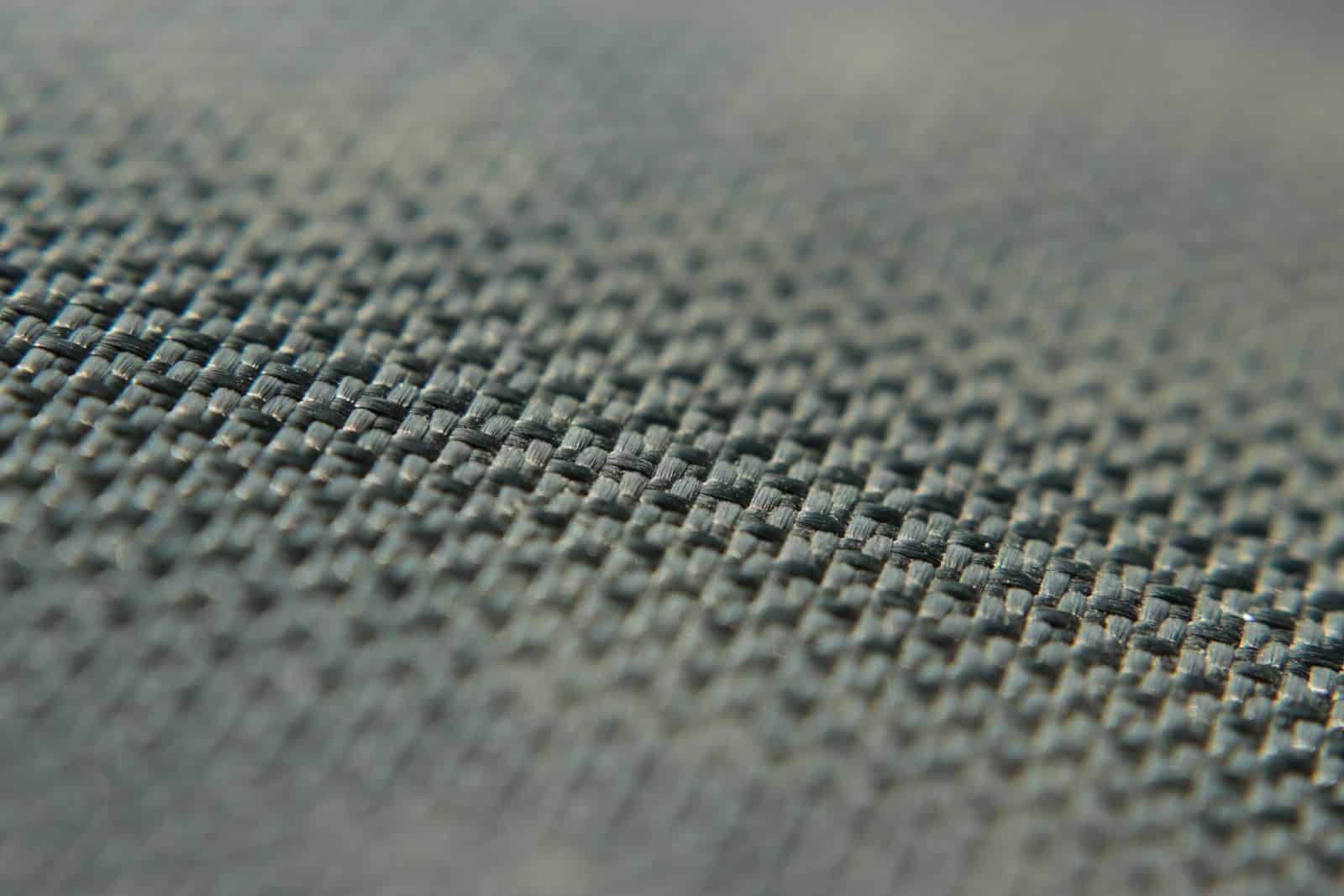
Nylon fabric surrounds us daily in clothing, carpets, upholstery, and countless household items. As awareness grows about chemical exposure from everyday materials, many people wonder about the potential health implications of this ubiquitous synthetic fiber. Understanding whether nylon poses genuine health risks requires examining its chemical composition, manufacturing process, and how we interact with finished products.
Understanding nylon’s chemical composition and manufacturing origins
Nylon represents a family of synthetic polymers created through chemical reactions between specific compounds. The most common types, nylon 6 and nylon 6,6, emerged from petroleum-based raw materials through polymerization processes developed in the 1930s. DuPont’s initial commercial production revolutionized textile manufacturing, offering unprecedented durability and versatility compared to natural fibers.
The manufacturing process involves high temperatures and chemical catalysts that transform basic compounds into long polymer chains. These chains form the molecular structure that gives nylon its characteristic strength and elasticity. Most concerns about toxicity center not on the final polymer itself, but rather on residual chemicals, additives, and treatments applied during production and finishing stages.
Once polymerized, nylon’s molecular structure becomes relatively stable and inert. The polymer chains bond tightly, making them less likely to break down or release harmful substances under normal use conditions. However, various chemicals added during manufacturing may remain in trace amounts within the fabric matrix. These include dyes, flame retardants, antimicrobial treatments, and finishing agents designed to enhance performance characteristics.
| Nylon type | Common applications | Key characteristics |
|---|---|---|
| Nylon 6 | Textiles, carpets, clothing | More elastic, easier to dye |
| Nylon 6,6 | Industrial applications, rope, conveyor belts | Higher melting point, greater rigidity |
| Nylon 12 | Specialized technical uses, medical devices | Enhanced chemical resistance, biocompatibility |
Potential health concerns associated with nylon exposure
Direct skin contact with nylon fabric rarely causes serious health issues for most people. The inert nature of polymerized nylon means the polymer itself doesn’t readily interact with human tissue or penetrate the skin barrier. However, several factors can contribute to discomfort or potential health considerations worth noting.
Some individuals experience skin irritation, particularly in areas where nylon garments create friction or trap moisture. This reaction typically stems from mechanical irritation rather than chemical toxicity. Nylon’s low breathability can create warm, humid microenvironments against the skin, potentially encouraging bacterial growth or exacerbating existing skin conditions like eczema or dermatitis.
The additives and finishing treatments applied to nylon products present more significant concerns than the base polymer. Formaldehyde-based resins, commonly used for wrinkle resistance, can trigger allergic reactions or respiratory irritation in sensitive individuals. Certain dyes contain potentially problematic compounds that may leach from fabrics, especially when new or exposed to moisture and heat.
Microplastic shedding from synthetic fabrics represents an emerging environmental and health concern. When washed, nylon garments release tiny plastic fibers into wastewater systems. These microplastics eventually enter ecosystems and potentially the food chain, though research continues on long-term health implications for humans. Each wash cycle can release hundreds of thousands of microfibers from a single synthetic garment.
For individuals seeking healthy and ethical alternatives to Bath Body Works and other conventional products, considering fabric choices represents another dimension of conscious consumption. Just as personal care products warrant scrutiny for chemical content, everyday textiles deserve similar attention for potential health impacts.
Comparing nylon safety to natural and alternative fibers
Natural fibers like cotton, wool, linen, and silk offer distinct advantages regarding breathability, biodegradability, and reduced chemical processing requirements. These materials generally pose fewer concerns about synthetic chemical exposure, though conventional cotton production involves substantial pesticide use that carries its own environmental and health implications.
Organic natural fibers provide the most benign option for those prioritizing minimal chemical exposure. These materials avoid synthetic pesticides, herbicides, and often use gentler dyeing and finishing processes. The trade-offs include higher costs, potentially reduced durability compared to nylon, and care requirements that may demand more time and attention.
Some newer synthetic alternatives aim to combine nylon’s performance benefits with improved environmental and health profiles. Recycled nylon, created from reclaimed fishing nets and industrial waste, reduces environmental impact while maintaining similar properties to virgin nylon. However, recycling doesn’t eliminate concerns about microplastic shedding or chemical additives potentially present in source materials.
For those committed to an eco-warrior lifestyle : a comprehensive guide to sustainable living can help navigate these complex choices. Making informed decisions about fabrics requires balancing performance needs, health considerations, environmental impact, and practical constraints.
Practical strategies for minimizing potential nylon-related risks
Washing new nylon items before first use removes many surface chemicals, excess dyes, and finishing treatments that pose the greatest concern for direct skin contact. Multiple wash cycles prove more effective than single washes for reducing chemical residues, though this also releases more microplastics into water systems.
Consider these evidence-based approaches for safer nylon use :
- Choose nylon products with minimal chemical treatments and natural dye processes when possible
- Limit nylon garments in areas with prolonged skin contact, especially for sensitive individuals
- Prioritize natural fibers for items worn directly against skin like underwear and base layers
- Use microfiber-catching laundry bags or filters to reduce plastic pollution from washing
- Select recycled nylon options to minimize environmental impact while maintaining performance
Ventilation matters significantly when nylon products off-gas volatile organic compounds, particularly with new carpets, upholstery, or large textile installations. Opening windows and using air circulation helps dissipate any chemical odors, which typically diminish substantially within weeks of installation.
For individuals with documented chemical sensitivities or compromised immune systems, consulting healthcare providers about specific fabric choices makes sense. Some people genuinely react to synthetic materials or chemical treatments, while others experience no adverse effects from regular nylon exposure. Personal tolerance varies considerably based on individual physiology and sensitivity thresholds.
The reality about nylon toxicity resides in nuance rather than absolutes. The polymer itself presents minimal direct health risks under normal use conditions, but manufacturing processes, chemical additives, and environmental considerations create a more complex picture. Making informed choices requires weighing personal health priorities, performance requirements, and broader environmental implications rather than seeking simple yes-or-no answers about safety.