
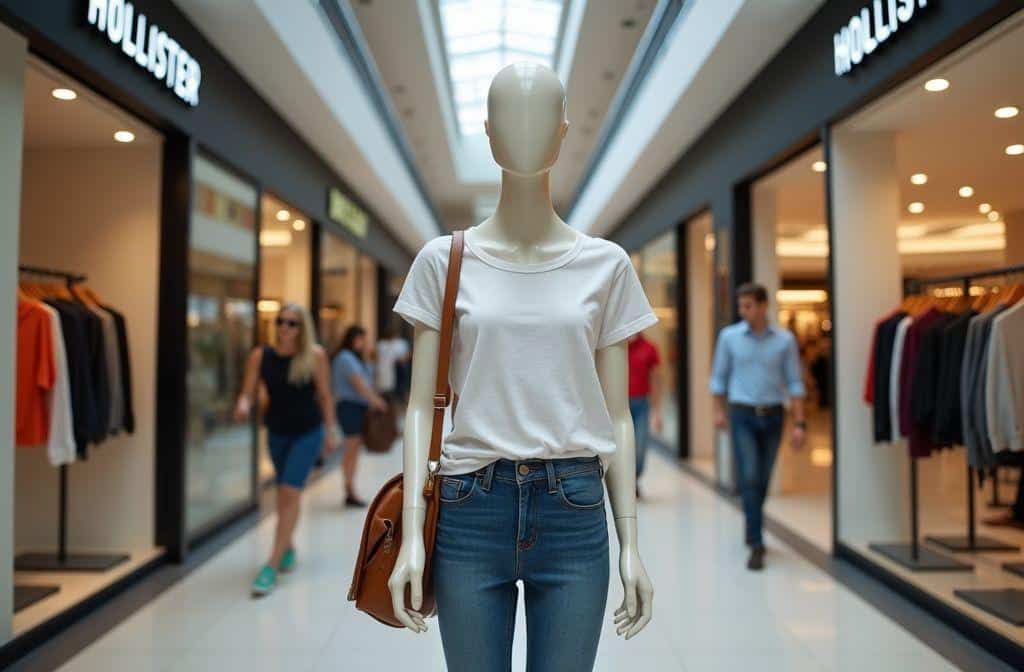
Hollister, the California-inspired clothing retailer owned by Abercrombie & Fitch Co., has become a staple in many teenagers’ and young adults’ wardrobes since its launch in 2000. With its beach-themed stores and affordable pricing, the brand attracts millions of shoppers worldwide. But behind the casual aesthetic and accessible price points lies an important question that conscientious consumers are increasingly asking : does Hollister operate as a fast fashion brand ?
Understanding whether Hollister qualifies as fast fashion requires examining its production methods, supply chain practices, and commitment to sustainability. This analysis helps shoppers make informed decisions about their purchases and encourages brands to adopt more responsible manufacturing processes.
What defines Hollister’s production model
Hollister operates under a business model that closely aligns with fast fashion characteristics. The brand releases new collections frequently throughout the year, typically introducing fresh styles every few weeks to keep inventory exciting and encourage repeat visits. This rapid turnover of merchandise represents one of the hallmark features of fast fashion retailers.
The company manufactures its clothing primarily in countries where labor costs remain low, including China, Vietnam, Bangladesh, and India. These offshore production facilities enable Hollister to maintain competitive pricing while maximizing profit margins. However, this geographical distribution of manufacturing raises questions about working conditions, fair wages, and environmental oversight in these regions.
Hollister’s pricing strategy further confirms its fast fashion positioning in the market. Jeans typically retail between $40 and $70, while basic t-shirts cost around $15 to $25. These price points make the brand accessible to its target demographic of teenagers and young adults, but they also reflect the economies of scale achieved through mass production rather than quality craftsmanship or sustainable materials.
The materials used in Hollister garments predominantly include conventional cotton, polyester, and synthetic blends. Many of these fabrics, such as viscose and similar rayon derivatives, require chemical-intensive processing. Similarly, synthetic materials like nylon present environmental challenges due to their petroleum-based origins and slow biodegradation rates.
Examining Hollister’s sustainability initiatives and transparency
Parent company Abercrombie & Fitch has made some commitments toward improving sustainability practices across its brands, including Hollister. The corporation published its first comprehensive sustainability report in 2021, outlining goals for reducing carbon emissions, increasing sustainable material sourcing, and improving supply chain transparency.
However, the implementation of these initiatives remains limited compared to industry leaders in ethical fashion. According to the Fashion Transparency Index, Abercrombie & Fitch scored only 31% in 2023, indicating significant room for improvement in disclosing information about its supply chain, labor practices, and environmental impact. This modest transparency rating suggests that many aspects of Hollister’s production practices remain obscured from public scrutiny.
| Sustainability aspect | Hollister’s current status | Industry benchmark |
|---|---|---|
| Sustainable material usage | Less than 20% of materials | 50%+ for leading sustainable brands |
| Supply chain transparency | Partial disclosure | Full transparency with auditable data |
| Carbon emission reduction | Goals set but limited reporting | Science-based targets with annual progress |
| Circular fashion programs | Minimal recycling initiatives | Comprehensive take-back and resale programs |
The brand has introduced some garments made with sustainable materials, including organic cotton and recycled polyester, but these items represent a small fraction of overall inventory. Most Hollister products still rely on conventional materials that require substantial water, energy, and chemical inputs during production. This limited adoption of sustainable materials indicates that environmental considerations remain secondary to cost efficiency and profit maximization.
Labor practices within Hollister’s supply chain also warrant scrutiny. While Abercrombie & Fitch maintains a supplier code of conduct that prohibits child labor and requires safe working conditions, independent verification of compliance across hundreds of factories proves challenging. The brand has faced criticism for inadequate living wages in supplier factories and insufficient measures to ensure worker safety and rights.
Comparing Hollister to alternative fashion approaches
When evaluating whether Hollister qualifies as fast fashion, comparing the brand to both traditional fast fashion retailers and sustainable alternatives provides valuable context. Companies like Zara and H&M epitomize fast fashion with even more rapid production cycles and lower prices than Hollister. However, this comparison shouldn’t absolve Hollister of its environmental and social impacts.
On the opposite end of the spectrum, sustainable fashion brands prioritize environmental stewardship and ethical labor practices over rapid trend turnover and rock-bottom prices. These companies typically manufacture in smaller batches, use certified organic or recycled materials, ensure fair wages throughout their supply chains, and design products for longevity rather than disposability. The contrast between these approaches and Hollister’s business model highlights the latter’s alignment with fast fashion principles.
Several athletic and lifestyle brands have demonstrated that profitability and sustainability can coexist. For instance, when examining whether Athleta operates as fast fashion, consumers discover a brand with stronger commitments to sustainable materials and transparent supply chains, though still with room for improvement.
The key distinctions between Hollister and genuinely sustainable brands include :
- Production volume and speed : Hollister releases numerous collections annually with shortened design-to-store timelines, whereas sustainable brands typically produce fewer, more thoughtfully designed pieces.
- Material sourcing : Sustainable alternatives prioritize certified organic, recycled, or innovative low-impact materials, while Hollister predominantly uses conventional fabrics.
- Pricing transparency : Ethical brands often break down pricing to show what workers earn and environmental costs, while fast fashion retailers rarely provide this information.
- Durability expectations : Sustainable clothing emphasizes quality construction for long-term wear, contrasting with fast fashion’s planned obsolescence.
Making informed choices as a conscious consumer
Recognizing that Hollister operates within the fast fashion framework empowers consumers to make purchasing decisions aligned with their values. For those committed to adopting an eco-warrior lifestyle, understanding a brand’s production practices becomes essential for reducing personal environmental impact.
If you currently shop at Hollister, several strategies can minimize your fashion footprint without completely abandoning the brand. Purchasing fewer items but wearing them longer significantly reduces overall consumption. Choosing basic, versatile pieces rather than trendy items extends garment lifespan. Caring properly for clothing through gentle washing and air drying preserves fabric quality and delays replacement needs.
Exploring secondhand options represents another powerful approach. Thrift stores, consignment shops, and online resale platforms offer pre-owned Hollister items at reduced prices, extending the use cycle of existing garments without supporting new production. This circular fashion approach keeps clothing out of landfills while satisfying style preferences.
For shoppers ready to transition away from fast fashion entirely, numerous alternatives exist at various price points. Researching brands’ sustainability credentials, reading third-party certifications, and supporting companies with demonstrated commitments to environmental and social responsibility gradually shifts market demand toward more ethical practices. Consumer choices collectively influence industry standards, making individual purchasing decisions part of broader systemic change.
Ultimately, Hollister embodies fast fashion characteristics through its rapid production cycles, offshore manufacturing in low-wage countries, limited sustainable material adoption, and modest transparency. While the brand has initiated some sustainability efforts, these remain insufficient compared to the comprehensive transformations needed to distance itself from the fast fashion label. Conscious consumers should view Hollister purchases through this realistic lens, recognizing both the brand’s current limitations and their own power to demand better practices through thoughtful spending habits.