
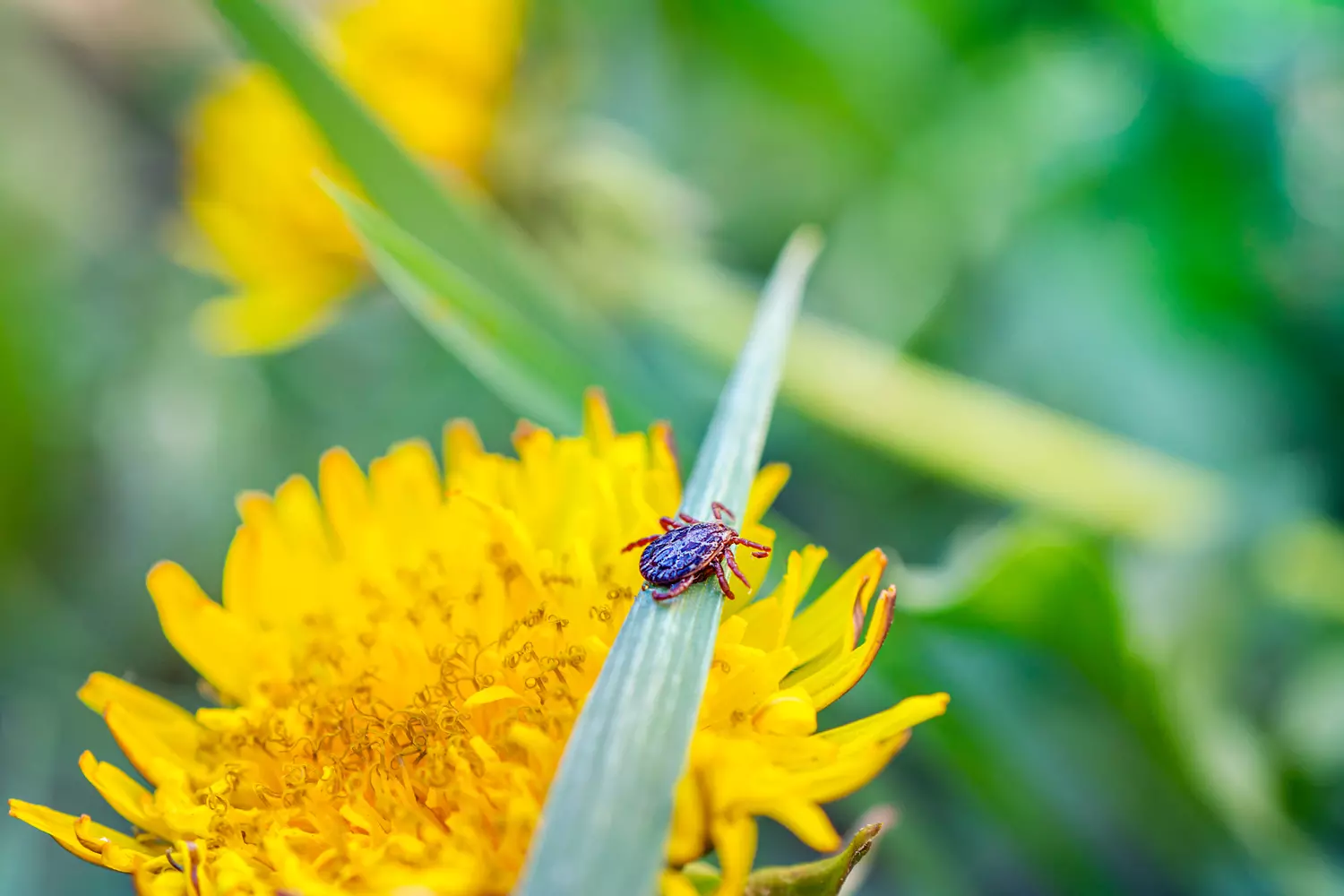
When spring arrives and garden maintenance resumes, many homeowners focus on aesthetics without realizing certain landscaping choices can inadvertently create ideal habitats for dangerous parasites. These tiny arachnids, measuring between 3 mm and 1 cm, become particularly active from April through November, transforming what should be peaceful outdoor spaces into potential health hazards. While forest walks typically come to mind when considering tick encounters, residential gardens can harbor significant populations of these blood-feeding creatures, especially when specific vegetation types dominate the landscape.
Understanding which vegetation creates tick-friendly environments
Dense ground cover represents one of the most problematic landscape features for tick proliferation. Ivy and similar sprawling plants establish microenvironments that maintain the moisture and shade these parasites require for survival. These low-growing species trap humidity near soil level while blocking direct sunlight, creating perfect conditions for tick populations to thrive throughout warm months.
Ornamental ferns pose similar concerns, particularly when planted in shaded, damp sections of your property. Their feathery fronds and moisture-retentive characteristics provide excellent shelter for ticks waiting to attach themselves to passing hosts. Gardens featuring extensive fern collections near pathways or seating areas increase the likelihood of unwanted encounters with these disease-carrying arachnids.
Unmowed lawns present another significant risk factor. Tall grass blades offer vertical structures ticks use to position themselves at optimal heights for latching onto animals or humans. During spring, when grass growth accelerates rapidly, neglected lawns quickly transform into tick havens. Regular maintenance becomes essential not just for appearance but for protecting your family and pets from potential Lyme disease transmission.
Privacy hedges, particularly thuja varieties popular throughout residential areas, deserve careful attention. When allowed to grow dense and untrimmed, these evergreen barriers create shaded, humid corridors ideal for tick development. The thick foliage restricts airflow while retaining moisture, establishing the exact environmental conditions these parasites seek for reproduction and survival.
Shrubs and bushes that harbor tick populations
Several common ornamental bushes contribute to tick problems through their growth habits and structural characteristics. Black lilac shrubs develop dense branching patterns that create multiple hiding spots within their canopies. The thick foliage blocks sunlight penetration while trapping moisture, making these attractive flowering plants unintentional tick sanctuaries.
Wild berry bushes including blackberries and elderberries present dual challenges. Their thorny branches and tangled growth patterns create impenetrable thickets where ticks flourish undisturbed. Hazelnut bushes share similar structural traits, with their multiple stems and bushy profiles providing excellent protective cover for these unwanted garden residents.
| Plant type | Risk level | Primary concern |
|---|---|---|
| Ground ivy | High | Dense coverage traps moisture |
| Ferns | High | Prefers shade and humidity |
| Tall grasses | Very high | Provides climbing structures |
| Thuja hedges | Medium | Creates sheltered corridors |
| Wild brambles | High | Impenetrable thickets |
Accumulated debris beneath these shrubs compounds the problem significantly. Fallen leaves, twigs, and organic matter decomposing in moist conditions beneath dense bushes create multilayered tick habitats that remain productive throughout the active season. Regular clearing of this material reduces available shelter substantially.
Natural deterrent plants to incorporate into landscapes
Strategic planting of species that repel ticks offers an environmentally friendly defense strategy. Mediterranean herbs provide exceptional protection through their aromatic compounds. Lavender, rosemary, and thyme release volatile oils that ticks find intolerable, creating natural barriers when planted along property boundaries or near frequently used outdoor areas.
Lemon balm and wormwood possess similar repellent properties through their strong aromatic profiles. These hardy perennials require minimal maintenance while providing continuous protection throughout growing seasons. When establishing gardens that attract beneficial wildlife, such as creating spaces for hummingbird feeding stations, incorporating these protective plants ensures both beauty and safety coexist harmoniously.
Citronella geraniums deserve special mention for their proven efficacy against various parasites. The natural compounds these plants produce actively discourage ticks from entering treated areas. Mass plantings near patios, playgrounds, or garden pathways create effective protective zones without requiring chemical interventions.
Tansy represents another powerful natural deterrent. This resilient perennial produces camphor-scented foliage that numerous parasites, including ticks, actively avoid. Establishing tansy borders around lawn perimeters or alongside trails creates defensive barriers that significantly reduce tick migration into maintained spaces.
Catnip, or nepeta, secretes compounds that function as natural tick repellents. Research demonstrates these plants produce chemicals ticks find objectionable, causing them to retreat from treated areas. Beyond pest control benefits, these attractive flowering perennials add visual interest while serving protective functions throughout landscapes.
Essential maintenance practices for tick prevention
Consistent lawn care forms the foundation of effective tick management. Regular mowing maintains grass at heights inhospitable to tick activity while improving sunlight penetration and reducing humidity at ground level. Properties bordering forests, meadows, or undeveloped land require particularly vigilant maintenance schedules to prevent tick migration from adjacent habitats.
Organic debris removal significantly impacts tick populations. Wood piles, branch accumulations, and leaf litter concentrations provide ideal overwintering sites and daytime shelters. Relocating firewood storage away from living spaces and conducting thorough spring cleanups removes these protective environments before peak tick season begins.
When designing functional outdoor spaces, consider incorporating organizational solutions from resources like practical home and garden storage options that keep equipment and materials properly contained, reducing clutter that might harbor pests.
Creating buffer zones between wooded areas and maintained lawns provides additional protection. These transitional spaces, featuring gravel paths or mulched areas with repellent plantings, discourage tick movement into primary use areas. The following maintenance priorities reduce tick habitats effectively :
- Trim hedges and shrubs regularly to increase airflow and reduce shade
- Remove leaf litter and organic debris from beneath bushes and trees
- Maintain grass height below three inches throughout active seasons
- Clear vegetation along fence lines and property boundaries
- Establish gravel or mulch barriers between lawns and wild areas
Understanding which plants inadvertently support tick populations empowers homeowners to make informed landscaping decisions. Combining strategic plant selection with consistent maintenance practices creates outdoor environments where families can enjoy spring and summer activities without constant concern about these disease-carrying parasites lurking in vegetation.