
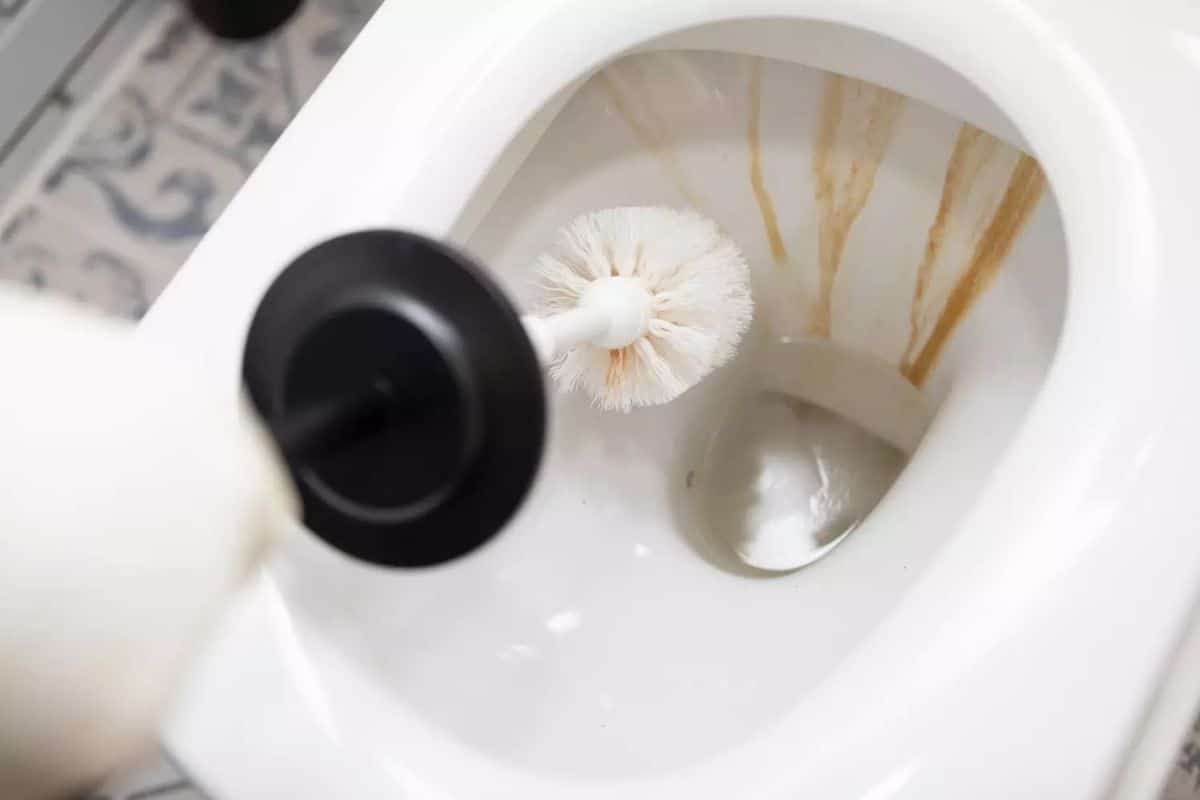
Hard water deposits in toilet bowls create unsightly stains that plague homeowners worldwide. While white vinegar has long been touted as the go-to remedy for these stubborn mineral buildups, its pungent aroma often drives people away from using this otherwise effective solution. Fortunately, citric acid powder offers an equally powerful alternative that tackles limescale without subjecting your bathroom to unpleasant odors. This naturally occurring compound, extracted from citrus fruits like lemons and limes, provides a fresh, pleasant scent while dissolving calcium deposits with remarkable efficiency. Unlike harsh commercial cleaners filled with synthetic chemicals, this eco-friendly option is gentle on your plumbing yet tough on mineral accumulations.
Beyond aesthetic concerns, limescale buildup in toilets poses practical problems that extend far beyond appearance. These mineral deposits create environments where harmful bacteria thrive, potentially compromising household hygiene standards. Additionally, thick accumulations can restrict water flow through pipes, leading to reduced flushing efficiency and eventually costly plumbing repairs. The mineral-rich residue clings stubbornly to porcelain surfaces, becoming progressively harder to remove as layers accumulate over time. Addressing these deposits promptly prevents more serious complications down the line.
Understanding how citric acid dissolves toilet limescale effectively
Citric acid’s cleaning power stems from its chemical properties as a weak organic acid. When dissolved in water, it creates an acidic solution that reacts specifically with the calcium carbonate compounds found in hard water deposits. This chemical reaction breaks down the molecular bonds holding limescale together, transforming solid mineral deposits into smaller, soluble particles that rinse away effortlessly. The process works similarly to vinegar’s acetic acid, but with a significantly more pleasant aromatic profile that smells of fresh citrus rather than fermented grains.
This biodegradable compound appears widely throughout the food industry as a natural preservative and flavor enhancer. Its versatility extends to cosmetic applications where manufacturers value its gentle exfoliating properties. For household cleaning, citric acid powder offers multiple advantages over conventional products. It doesn’t produce toxic fumes, won’t damage septic systems, and breaks down naturally without environmental harm. Many homeowners seeking natural solutions for household problems appreciate its non-toxic composition, especially in homes with children or pets.
The acid’s molecular structure allows it to penetrate porous limescale deposits thoroughly. As the solution seeps into microscopic crevices within the buildup, it continues working from within, loosening even the most stubborn accumulations. This deep-penetrating action means less scrubbing effort compared to abrasive cleaners that only address surface layers. The scientific principle behind this effectiveness has been proven through countless household applications worldwide.
Step-by-step process for removing hard water stains with citric acid
Preparing your citric acid cleaning solution requires minimal ingredients and equipment. Start by gathering approximately three to four tablespoons of citric acid powder for a standard toilet bowl treatment. Mix this powder with hot water in a bucket or container, using roughly one liter of water to ensure complete dissolution. The warm temperature accelerates the acid’s activation and enhances its cleaning capabilities.
Before applying the solution, reduce the water level in your toilet bowl significantly. Use a plunger or small container to remove excess water, exposing as much of the stained porcelain surface as possible. This step ensures maximum contact between the cleaning solution and limescale deposits, improving treatment effectiveness. Those looking for essential home maintenance products should consider keeping citric acid powder readily available in their cleaning arsenal.
Pour the prepared solution directly onto the affected areas, ensuring complete coverage of all visible deposits. For heavily stained toilets, consider the following application strategy :
- Target the waterline area where stains typically concentrate most heavily
- Pour solution along the interior rim to address hidden deposits beneath the bowl’s edge
- Apply additional solution to any stubborn spots showing particularly thick buildup
- Allow the mixture to sit undisturbed for at least thirty minutes
- For severe cases, extend the treatment time overnight for maximum penetration
After the solution has had sufficient time to work, use a standard toilet brush to gently scrub the treated surfaces. The loosened deposits should come away with minimal effort, unlike the aggressive scrubbing required with inferior products. Pay particular attention to hard-to-reach areas under the rim and around the siphon jets where mineral buildups often hide. Quality cleaning equipment matters, much like how consumers evaluate product quality and value when making purchasing decisions.
Comparing citric acid advantages against commercial toilet cleaners
Commercial toilet cleaning products often contain harsh chemicals like hydrochloric acid or bleach that pose health risks and environmental concerns. These aggressive formulations produce toxic fumes requiring adequate ventilation during use. In contrast, citric acid’s natural composition makes it safe for regular handling without protective equipment or special precautions. Its biodegradable nature means it won’t contribute to waterway pollution or harm aquatic ecosystems after flushing.
Cost-effectiveness represents another significant advantage of choosing citric acid over branded cleaners. A small container of citric acid powder costs considerably less than multiple bottles of specialized toilet cleaners, yet provides enough material for numerous treatments. This economic benefit appeals to budget-conscious households managing expenses carefully, similar to how consumers seek space-saving solutions for small living areas.
| Feature | Citric acid | Commercial cleaners |
|---|---|---|
| Odor profile | Pleasant citrus scent | Chemical or chlorine smell |
| Safety level | Non-toxic, food-grade option | Often contains hazardous chemicals |
| Environmental impact | Biodegradable and eco-friendly | May contain harmful pollutants |
| Cost efficiency | Highly economical per use | More expensive over time |
| Limescale effectiveness | Excellent mineral dissolution | Varies by formulation |
The versatility of citric acid extends beyond toilet cleaning to numerous household applications. It descales coffee makers, removes mineral deposits from showerheads, and brightens laundry without fabric damage. This multipurpose functionality eliminates the need for multiple specialized cleaning products cluttering storage spaces. Understanding material properties and sustainability helps consumers make informed choices about household products.
Maintaining toilet cleanliness and preventing future limescale accumulation
Regular maintenance prevents limescale from reaching problematic levels that require intensive treatment. Implementing a preventive cleaning schedule using citric acid every two to four weeks keeps mineral deposits from solidifying into stubborn layers. This proactive approach requires less product and effort than addressing severe buildup accumulated over months of neglect. Simply pour a diluted citric acid solution into the bowl, let it sit briefly, and brush lightly before flushing.
Water softening systems reduce mineral content in household water supplies, significantly decreasing limescale formation rates. Installing a whole-house water softener represents a long-term investment that protects all plumbing fixtures, not just toilets. For those unable to install such systems, smaller point-of-use filters on toilet supply lines offer localized protection. These preventive measures complement regular citric acid treatments for comprehensive limescale management.
Combining natural cleaning approaches creates a holistic household maintenance strategy. Just as homeowners consider seasonal maintenance schedules for outdoor features, establishing indoor cleaning routines ensures consistent bathroom hygiene. The citric acid method fits perfectly within environmentally conscious cleaning philosophies that prioritize health and sustainability without sacrificing effectiveness.