
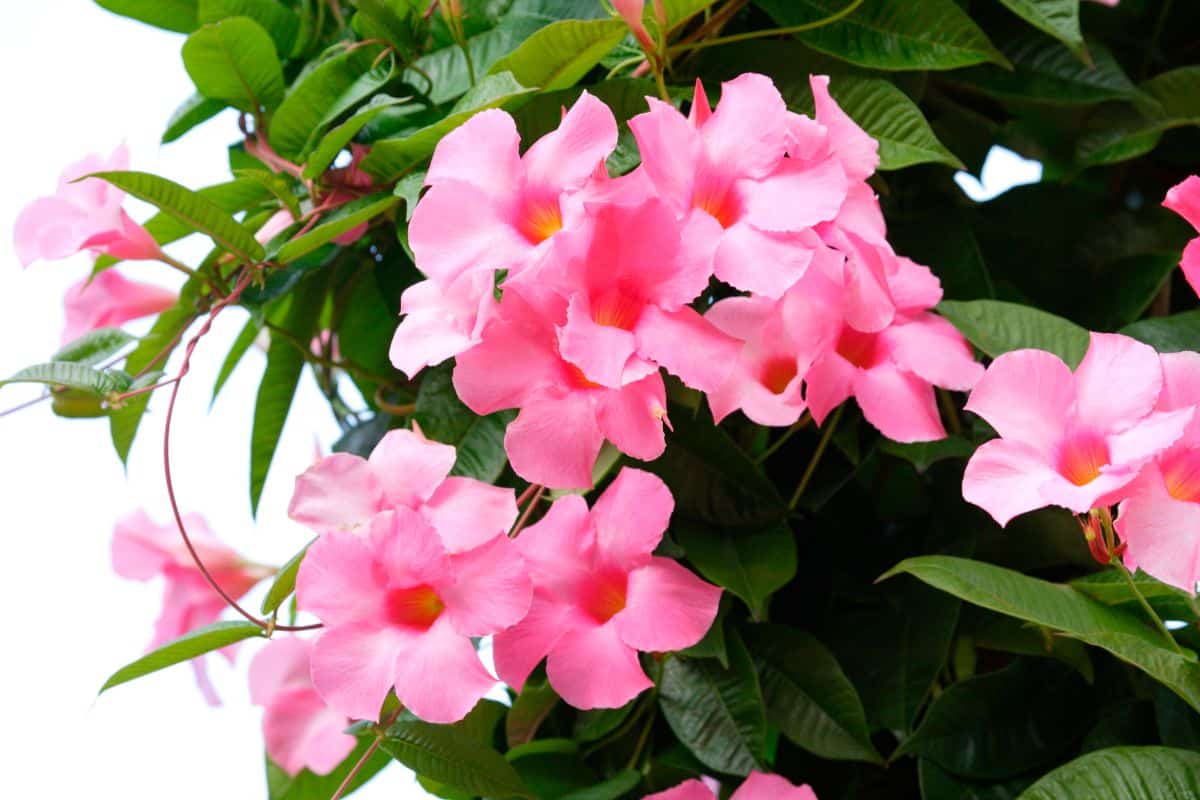
Transforming your dipladenia into a perpetual blooming wonder requires dedication and understanding of this tropical beauty’s specific needs. This stunning climbing plant, native to South American rainforests, captivates garden enthusiasts with its vibrant petals in shades of white, pink, red, and yellow. With proper attention to its growth requirements, you can enjoy continuous flowering cycles that extend far beyond traditional seasonal limitations, creating a spectacular display that rivals any professional botanical collection.
Mastering light exposure for optimal flower production
Success with dipladenia begins with understanding its intense light requirements. This tropical specimen thrives when receiving abundant sunshine throughout the day. Position your plant where it can absorb at least six hours of direct sunlight daily, as this exposure triggers the biological mechanisms responsible for bud formation and flower development. Southern-facing locations typically provide the most consistent light patterns for these demanding climbers.
However, moderation becomes crucial during peak summer months. While dipladenia loves warmth and brightness, the scorching midday sun can damage delicate tissues and stress the plant unnecessarily. Strategic placement near bright windows works wonderfully for indoor cultivation, particularly during colder months when outdoor conditions become inhospitable. Avoid positioning your specimen near drafty areas or air conditioning vents, as temperature fluctuations disrupt its natural growth rhythm and can cause premature bud drop.
When transitioning your dipladenia between indoor and outdoor environments, gradually acclimate it over seven to ten days. This process prevents shock and maintains the flowering momentum you’ve worked hard to establish. Much like preparing hummingbird feeders for spring migration and year-round feeding, timing matters significantly for seasonal transitions.
Nutrition and feeding strategies for extended blooming
Sustaining year-round flowering demands a carefully calibrated fertilization program. Your dipladenia consumes significant nutrients while producing its abundant blooms, requiring regular supplementation to maintain vigor and productivity. Select a balanced liquid fertilizer specifically formulated for flowering plants, with emphasis on potassium content which directly influences flower quantity and quality.
During active growth periods spanning May through September, apply fertilizer biweekly at half the manufacturer’s recommended strength. This approach prevents salt accumulation while providing consistent nourishment. As autumn approaches and growth naturally slows, reduce feeding frequency to monthly applications. Suspend fertilization completely during winter months when the plant enters semi-dormancy, much like how certain natural scents that repel rodents work differently across seasons.
| Season | Fertilization frequency | Concentration level |
|---|---|---|
| Spring-Summer | Every 14 days | Half strength |
| Autumn | Monthly | Quarter strength |
| Winter | None | Suspended |
Complement chemical fertilizers with organic matter such as well-aged compost or worm castings applied as a top dressing each spring. This combination provides micronutrients often absent from synthetic formulas while improving soil structure and moisture retention capabilities essential for healthy root development.
Watering techniques and moisture management
Achieving the perfect moisture balance represents perhaps the most critical aspect of dipladenia care and maintenance. These plants evolved in humid forest environments where rainfall patterns alternate between wet and dry periods, creating a natural rhythm your watering schedule should replicate. During active growing seasons, water thoroughly twice weekly, ensuring excess drains completely from container bottoms.
Reduce watering frequency dramatically as temperatures drop and growth slows. Indoor specimens during winter months typically require moisture only once every ten days. Always check soil conditions before watering by inserting your finger two inches deep into the substrate. If moisture remains detectable, postpone watering another day or two to prevent root rot complications that can quickly devastate otherwise healthy plants.
Rainwater provides superior results compared to municipal supplies containing chlorine and dissolved minerals. These chemicals accumulate over time, altering soil chemistry and potentially hindering nutrient absorption. Collect rainwater in dedicated containers or allow tap water to sit overnight before application, permitting chlorine to dissipate naturally. Creating an organized storage system, perhaps using trending Ikea storage solutions, makes managing your watering supplies more efficient.
Pruning practices and winter protection strategies
Regular trimming throughout growing seasons maintains compact plant architecture while encouraging lateral branching that produces additional flowering sites. Remove spent blooms immediately after petals fade, as this prevents seed formation that diverts energy away from producing new flowers. Light pruning can occur anytime, but reserve major cutting sessions for late winter months, typically February or March.
During annual major pruning, reduce stem length by approximately one-third, making cuts just above leaf nodes where new growth emerges. This technique stimulates dormant buds and creates the framework for abundant spring flowering. Sterilize pruning tools between cuts using rubbing alcohol to prevent disease transmission, especially when working with multiple specimens.
Cold protection becomes essential as temperatures approach 10°C. Dipladenia cannot tolerate frost exposure, which causes immediate tissue damage and often proves fatal. Residents in mild climates can leave plants outdoors year-round when positioned against south-facing walls offering natural heat retention and wind protection. For those experiencing harsher winters, relocate containers to bright, unheated spaces like conservatories or enclosed porches.
Every two to three years during spring months, transplant your dipladenia into containers one size larger using well-draining potting medium enriched with perlite or coarse sand. Layer clay pebbles in container bottoms to enhance drainage and prevent waterlogging. This maintenance task, comparable to rearranging living spaces with compact furniture solutions for small spaces, refreshes root systems and supports continued vigorous growth for seasons ahead.