
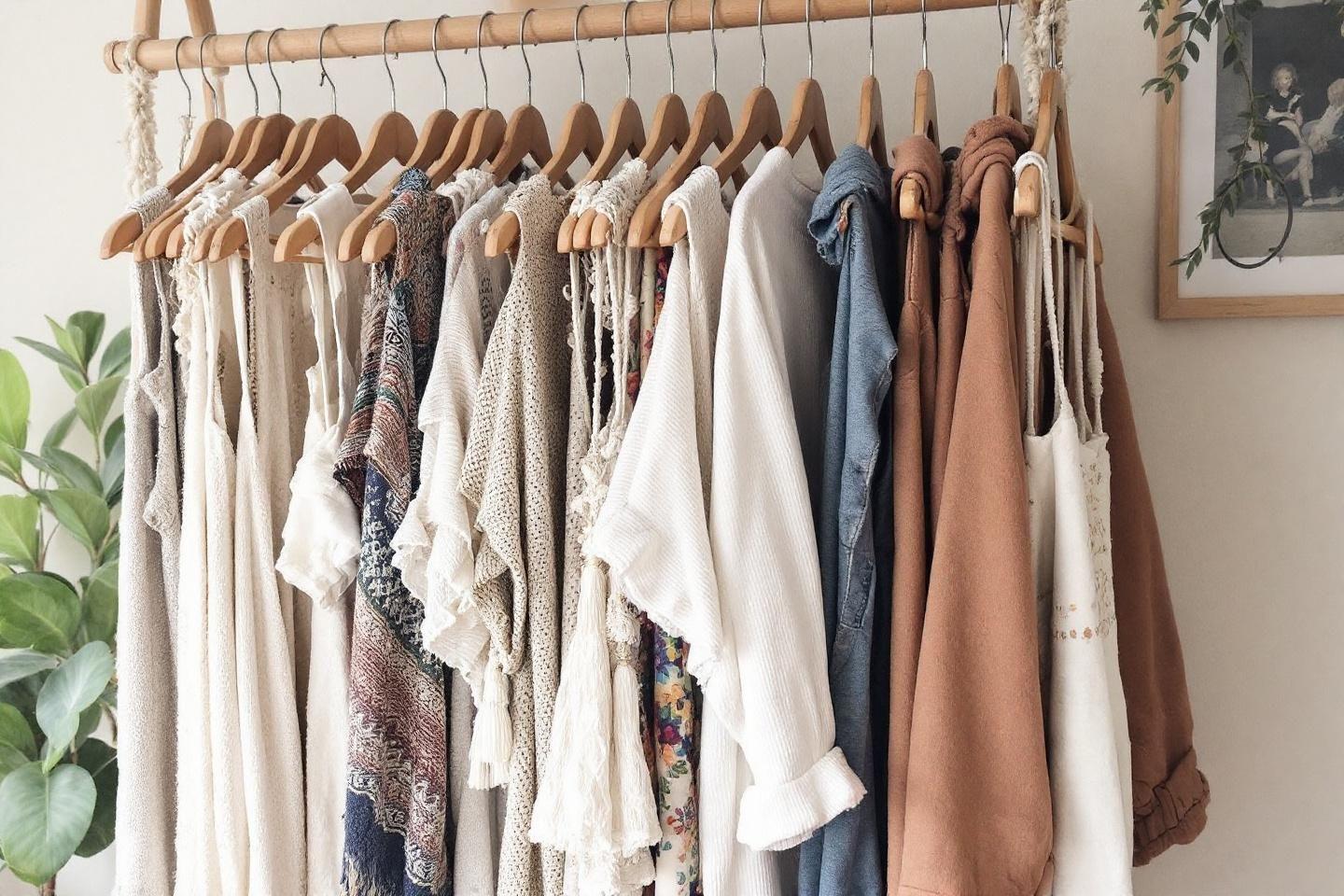
Free People has cultivated a distinctive bohemian aesthetic that resonates with fashion-conscious consumers seeking unique, artistic pieces. However, as awareness around ethical consumption grows, many shoppers question whether this Urban Outfitters-owned brand aligns with fast fashion practices or represents a more sustainable approach to clothing production. Understanding where Free People stands requires examining their manufacturing processes, pricing strategy, and environmental commitments.
The relationship between affordable fashion and sustainability remains complex, particularly for brands operating within larger corporate structures. Free People occupies an interesting middle ground that challenges traditional fast fashion categorizations, though certain aspects of their business model warrant closer examination from environmentally conscious consumers.
What defines fast fashion and where does Free People fit ?
Fast fashion typically describes brands that rapidly produce inexpensive clothing based on current runway trends, prioritizing volume and turnover over quality and sustainability. Companies like Shein, Fashion Nova, and H&M exemplify this model through weekly new arrivals, rock-bottom prices, and manufacturing practices that often disregard environmental and social impacts.
Free People diverges from this model in several significant ways. Their price points range considerably higher than typical fast fashion retailers, with dresses averaging between $98 and $250, compared to fast fashion alternatives under $30. This pricing structure suggests different production economics, though higher prices alone don’t guarantee ethical practices.
The brand releases new items regularly but doesn’t follow the extreme production cycles characteristic of fast fashion giants. Their collections rotate seasonally with additional capsule drops, maintaining a balance between freshness and sustainability. However, this doesn’t completely exempt them from criticism regarding overproduction and consumption encouragement.
Similar concerns arise when examining is Aritzia fast fashion, as both brands occupy comparable market positions. Free People’s parent company, Urban Outfitters Inc., operates multiple brands with varying sustainability commitments, creating a complex corporate landscape for ethical evaluation.
Production practices and supply chain transparency
Free People manufactures clothing across multiple countries, including China, India, Vietnam, and Portugal. While geographic diversity in manufacturing isn’t inherently problematic, it raises questions about oversight, labor conditions, and environmental standards across different facilities.
The brand has made limited public commitments regarding supply chain transparency. Unlike truly sustainable brands that publish detailed factory lists and third-party audit results, Free People provides minimal information about their manufacturing partners or working conditions. This opacity makes independent verification of their ethical claims challenging for consumers.
Urban Outfitters Inc. publishes a sustainability report covering all subsidiary brands, but the specificity regarding Free People remains limited. The report mentions general goals around carbon reduction and material sourcing without providing concrete metrics or timelines specific to individual brand performance.
| Sustainability aspect | Free People practices | Industry best practices |
|---|---|---|
| Supply chain transparency | Limited disclosure | Full factory list publication |
| Material sourcing | Some organic/recycled options | Certified sustainable materials majority |
| Labor certifications | Minimal public certification | Fair Trade, B Corp status |
| Carbon footprint | General corporate goals | Science-based targets with deadlines |
The brand has introduced some positive initiatives, including incorporating recycled materials and organic cotton into select collections. Their “FP Movement” activewear line features recycled polyester in certain styles, though these sustainable options represent a small fraction of total offerings. For comparison, those interested in athletic wear sustainability might explore is Athleta fast fashion for alternative perspectives.
Material choices and environmental impact
Free People’s fabric selections reveal a mixed environmental picture. The brand frequently uses natural fibers like cotton, linen, and silk, which generally have lower environmental impacts than synthetic alternatives when sourced responsibly. However, conventional cotton production remains resource-intensive, requiring significant water and pesticide use.
The presence of synthetic fabrics in many collections raises additional concerns. Polyester, acrylic, and nylon appear regularly in Free People garments, contributing to microplastic pollution and relying on petroleum-based production. While some pieces incorporate recycled synthetics, the majority use virgin materials.
Key material considerations include :
- Organic cotton usage remains limited compared to conventional alternatives
- Synthetic blends dominate many product categories without recycled content
- Limited certification from organizations like GOTS or OEKO-TEX
- Minimal transparency about chemical treatments and dyeing processes
- Some vintage and deadstock fabric incorporation in select collections
Free People occasionally releases “eco-conscious” collections featuring sustainable materials, but these represent limited-edition offerings rather than brand-wide commitments. This approach allows marketing around sustainability without fundamentally transforming production practices.
Making informed purchasing decisions about Free People
Determining whether Free People qualifies as fast fashion requires nuanced consideration. The brand doesn’t exhibit the extreme characteristics of the fastest fashion offenders, yet falls short of truly sustainable fashion standards. Their position might best be described as mid-market conventional fashion with emerging sustainability awareness.
For consumers committed to sustainable living practices, several strategies can help navigate Free People purchases more responsibly. Prioritizing pieces made from natural fibers, choosing timeless styles over trend-driven items, and buying secondhand Free People through resale platforms all reduce environmental impact.
The brand’s higher quality construction compared to true fast fashion means garments often last longer with proper care. This durability factor partially offsets production concerns, as extending garment lifespan significantly reduces per-wear environmental impact. Investing in versatile Free People basics rather than seasonal trends maximizes this benefit.
Ultimately, conscious consumers should weigh Free People purchases against personal sustainability priorities. While not the worst option in fashion retail, genuinely sustainable alternatives exist for those prioritizing environmental and social responsibility. Researching certified sustainable brands, exploring secondhand options, and reducing overall consumption remain the most impactful strategies for ethical fashion engagement.