
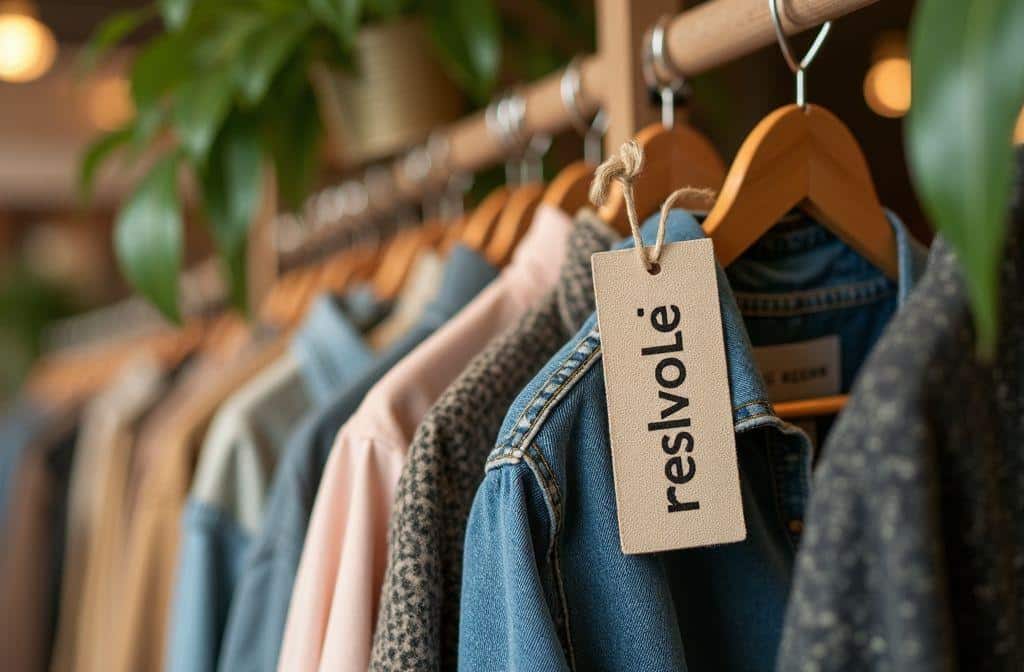
Revolve has become a go-to destination for fashion-forward shoppers seeking trendy pieces and celebrity-inspired looks. As consumers become increasingly conscious about their purchasing decisions, questions arise about whether this popular online retailer falls into the fast fashion category. Understanding Revolve’s business model, production methods, and environmental impact requires examining multiple factors that define modern fashion retail practices.
What defines Revolve’s business model
Revolve operates primarily as an online fashion retailer that curates selections from various brands alongside its own private labels. The company positions itself in the premium contemporary market segment, with price points significantly higher than typical fast fashion retailers like Zara or H&M. Most items range from $100 to $500, which initially suggests a departure from the traditional fast fashion pricing structure.
The platform features approximately 500 established and emerging brands, including Free People, Show Me Your Mumu, and ASTR the Label. Revolve’s own labels account for roughly 25 percent of total sales, giving them direct control over a substantial portion of their inventory. This hybrid approach allows the company to maintain trend responsiveness while presenting a curated shopping experience that appeals to millennial and Gen Z consumers.
Their marketing strategy heavily relies on influencer partnerships and social media presence, creating aspirational content that drives rapid sales cycles. The company releases new styles weekly, maintaining a constant flow of fresh inventory that keeps customers engaged and returning frequently. This quick turnover model shares similarities with fast fashion operations, despite the elevated price points that might suggest otherwise.
Revolve’s approach to inventory management emphasizes data-driven decisions, allowing them to respond quickly to trending styles and customer preferences. Their algorithm-based system tracks what sells and what doesn’t, enabling rapid adjustments to production quantities. This responsiveness to trends, while business-savvy, contributes to a consumption pattern that encourages frequent purchases rather than long-term wardrobe investments.
Production practices and supply chain transparency
Examining Revolve’s manufacturing processes reveals limited public information about their supply chain operations. The company does not maintain comprehensive transparency regarding factory locations, working conditions, or labor practices. This lack of supply chain disclosure raises concerns for ethically-minded consumers who want to understand the human impact behind their clothing purchases.
Revolve’s owned brands likely rely on overseas manufacturing, predominantly in countries with lower labor costs. The company has not published detailed information about factory auditing procedures or worker welfare standards. Without third-party certifications from organizations like Fair Trade or B Corporation status, verifying their ethical production claims becomes challenging for concerned shoppers.
The materials used in Revolve’s private label collections include synthetic fabrics such as polyester, nylon, and viscose, which have environmental implications throughout their lifecycle. These petroleum-based or chemically intensive materials contribute to microplastic pollution and require significant resources during production. While some brands featured on their platform prioritize sustainable materials, Revolve’s own labels have not made substantial commitments to eco-friendly fabric alternatives.
| Aspect | Revolve’s approach | Sustainable alternative |
|---|---|---|
| Price range | $100-$500 | Varies, investment pieces |
| New releases | Weekly drops | Seasonal collections |
| Primary materials | Synthetic fabrics | Organic, recycled fibers |
| Supply chain transparency | Limited disclosure | Full traceability |
| Certifications | None prominent | GOTS, Fair Trade, B Corp |
Production speed remains another critical consideration when evaluating Revolve’s practices. The company’s ability to quickly bring trending styles to market suggests shortened production timelines that prioritize speed over sustainability considerations. This rapid production cycle often compromises quality control and environmental safeguards that slower, more deliberate manufacturing processes can maintain.
Environmental impact and sustainability initiatives
Revolve’s environmental footprint encompasses multiple dimensions, from material sourcing through shipping and packaging. The company has not published comprehensive sustainability reports detailing their carbon emissions, water usage, or waste generation metrics. This absence of environmental accountability data makes assessing their true impact difficult for consumers wanting to make informed decisions.
The retailer’s frequent new arrivals and trend-driven inventory encourage a consumption mindset that conflicts with sustainable fashion principles. When customers purchase items intended for short-term wear rather than lasting wardrobe staples, the environmental cost per wear increases significantly. This pattern contributes to the broader problem of textile waste, with millions of tons ending up in landfills annually.
Revolve has made some gestures toward sustainability, including featuring a small selection of eco-conscious brands on their platform. However, these offerings represent a minimal percentage of their total inventory. The company has not established concrete goals for increasing sustainable product offerings or reducing their overall environmental impact, unlike some competitors who have committed to specific timelines and targets.
Packaging and shipping practices add another layer to their environmental considerations. Online retail inherently requires more packaging materials and transportation emissions compared to traditional brick-and-mortar shopping. While Revolve has not highlighted initiatives to offset shipping emissions or transition to fully recyclable packaging, adopting an eco-warrior lifestyle means considering these factors when choosing where to shop.
Making informed shopping decisions
When evaluating whether Revolve qualifies as fast fashion, consider these key indicators that help classify retail practices :
- Rapid inventory turnover with constant new arrivals encouraging frequent purchases
- Limited transparency regarding manufacturing locations and labor conditions
- Reliance on synthetic materials without substantial sustainable alternatives
- Marketing strategies emphasizing trends over timeless style investments
- Absence of comprehensive sustainability reporting or environmental commitments
Consumers seeking alternatives might explore brands with clearer sustainability credentials. Similar to questions raised about whether Athleta qualifies as fast fashion, examining a brand’s complete picture helps make responsible choices. Looking for certifications, published sustainability reports, and verified ethical production standards provides guidance when navigating fashion retail options.
Building a more sustainable wardrobe involves prioritizing quality over quantity, choosing versatile pieces that transcend seasonal trends, and supporting brands with demonstrable commitments to environmental and social responsibility. While Revolve offers stylish options at mid-range prices, their business model shares more characteristics with fast fashion than with truly sustainable alternatives. Even small changes, like exploring healthier and more ethical alternatives across lifestyle categories, contribute to more responsible consumption patterns that benefit both people and planet.