
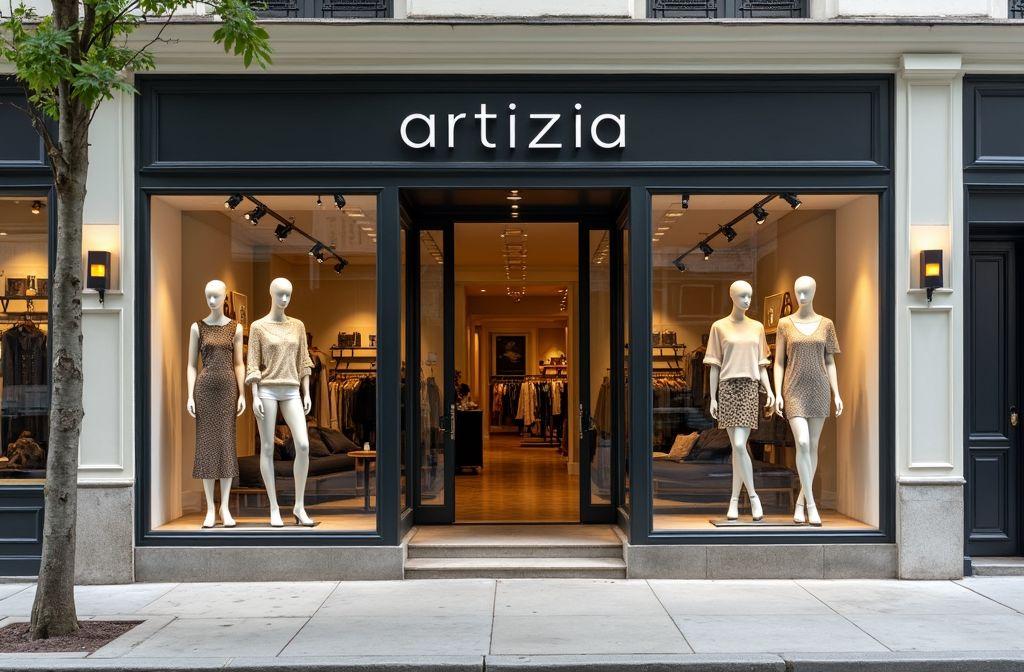
Aritzia has carved out a distinctive space in contemporary fashion, appealing to professionals and style-conscious consumers with its sleek designs and premium positioning. Yet as sustainability concerns grow louder, shoppers increasingly wonder whether this Canadian retailer operates as a fast fashion brand. The answer reveals a nuanced picture that requires examining production practices, material choices, and business models that define modern apparel companies.
What defines fast fashion and where does Aritzia fit
Fast fashion traditionally describes retailers producing inexpensive clothing rapidly to capitalize on current trends. These brands typically release new collections weekly, prioritize low prices over quality, and encourage frequent purchases through disposable designs. Companies following this model often manufacture garments in countries with minimal labor protections, using cheap synthetic materials that compromise durability.
Aritzia positions itself differently through higher price points and carefully curated collections. The brand releases seasonal lines rather than weekly drops, with individual pieces often costing substantially more than typical fast fashion items. A single blazer or dress from Aritzia might cost three to five times what similar garments retail for at mainstream fast fashion chains. This pricing strategy inherently discourages the throwaway mentality that characterizes truly disposable fashion.
However, pricing alone doesn’t guarantee sustainability. Several concerning elements align Aritzia more closely with fast fashion principles than many consumers realize. The brand releases multiple collections annually, maintains aggressive expansion plans, and relies heavily on trend-driven designs that encourage seasonal wardrobe refreshes. Their marketing emphasizes newness and current styles, creating psychological pressure to purchase frequently despite higher individual item costs.
The company’s supply chain practices raise additional questions. While Aritzia manufactures some products domestically, a significant portion comes from overseas factories where transparency remains limited. The brand hasn’t achieved certifications from major sustainability organizations, and their public disclosures about manufacturing conditions, worker wages, and environmental impacts lag behind truly ethical fashion companies.
| Characteristic | Traditional fast fashion | Aritzia |
|---|---|---|
| Release frequency | Weekly or bi-weekly | Seasonal with frequent additions |
| Price point | Very low | Mid to high |
| Material quality | Generally poor | Mixed, moderate quality |
| Transparency | Minimal | Limited but improving |
| Production volume | Extremely high | High but more controlled |
Material composition and environmental considerations
Examining what Aritzia clothing contains reveals important insights about the brand’s environmental footprint. Many garments feature synthetic materials like polyester, acrylic, and nylon blends that originate from petroleum products. These fabrics contribute to microplastic pollution when washed and take centuries to decompose in landfills. While durability exceeds typical fast fashion items, the fundamental material choices still present ecological challenges.
The brand does incorporate natural fibers including cotton, wool, and silk into various collections. However, without organic certifications or transparent sourcing information, consumers cannot verify whether these materials come from environmentally responsible sources. Conventional cotton production requires intensive pesticide use and substantial water resources, making uncertified natural fibers environmentally problematic despite being biodegradable. Understanding whether viscose poses toxicity concerns becomes relevant when evaluating many contemporary fashion brands.
Synthetic material blends dominate Aritzia’s offerings, particularly in their popular pant and blazer lines. These fabrics provide stretch, wrinkle resistance, and easy care properties that consumers value. Yet the environmental costs remain significant throughout the lifecycle. Manufacturing synthetic textiles requires substantial energy and releases greenhouse gases, while the materials shed microfibers that contaminate waterways and ultimately enter food chains.
Some Aritzia products contain semi-synthetic materials like viscose, which straddles the line between natural and synthetic classifications. While derived from plant cellulose, viscose production involves harsh chemical processing that can release pollutants if not properly managed. Similar concerns apply to modal and other regenerated cellulosic fibers appearing in the brand’s collections. Consumers interested in whether nylon presents health risks might appreciate deeper investigation into fabric safety across clothing brands.
Labor practices and ethical production standards
Understanding where and how clothing gets made provides crucial context for evaluating any fashion brand’s ethics. Aritzia operates some production facilities in Canada, particularly for knitwear and certain specialized items. This domestic manufacturing offers advantages including higher labor standards, better workplace safety, and reduced transportation emissions compared to overseas production.
Nevertheless, a substantial percentage of Aritzia’s inventory comes from factories in countries with lower labor costs and less stringent regulations. The brand hasn’t published comprehensive supplier lists or detailed factory audit results, making independent verification of working conditions difficult. This opacity contrasts sharply with truly transparent fashion companies that openly share factory locations, worker testimonials, and third-party audit findings.
Several key indicators help assess labor practices :
- Living wage commitments : Does the company ensure workers earn enough to meet basic needs beyond minimum wage requirements
- Freedom of association : Can employees organize unions or worker committees without retaliation
- Working hours : Are overtime limits enforced and is extra work truly voluntary
- Safety standards : Do facilities maintain proper ventilation, emergency exits, and equipment safeguards
- Discrimination policies : Are hiring and promotion decisions based on merit rather than gender or other protected characteristics
Aritzia hasn’t provided public documentation demonstrating strong performance across these metrics. While the brand likely maintains better standards than bottom-tier fast fashion companies, the lack of transparency prevents consumers from making fully informed decisions. Those exploring an eco-warrior lifestyle typically prioritize brands with comprehensive ethical disclosures.
Making informed decisions about fashion purchases
Categorizing Aritzia requires acknowledging that fashion exists along a spectrum rather than in binary categories. The brand occupies a middle ground, displaying some fast fashion characteristics while differentiating itself through quality and pricing. Consumers seeking truly sustainable alternatives should look for companies with robust certifications, transparent supply chains, and documented environmental commitments.
Several strategies help shoppers reduce fashion’s impact regardless of preferred brands. Buying fewer items of higher quality extends garment lifespan and reduces overall consumption. Proper care including cold water washing, air drying, and prompt repairs maximizes clothing longevity. When pieces no longer serve your needs, resale platforms, clothing swaps, and textile recycling programs prevent landfill disposal.
Building a versatile wardrobe with classic pieces reduces pressure to chase trends constantly. Investing in quality basics that coordinate easily creates more outfit possibilities from fewer items. This approach naturally aligns with more sustainable consumption patterns while often proving more economical long-term despite higher upfront costs. Exploring brands beyond mainstream options reveals companies prioritizing both style and responsibility, much like examining whether Athleta qualifies as fast fashion helps consumers understand athletic wear sustainability.
Personal values ultimately guide purchasing decisions. Some consumers accept Aritzia’s limitations while appreciating better quality than typical fast fashion. Others seek brands with comprehensive sustainability programs and transparent practices. Both approaches contribute to shifting industry norms when consumers remain informed and vocal about expectations. Even small changes like considering healthy alternatives to mainstream retailers demonstrate commitment to more conscious consumption patterns across product categories.