
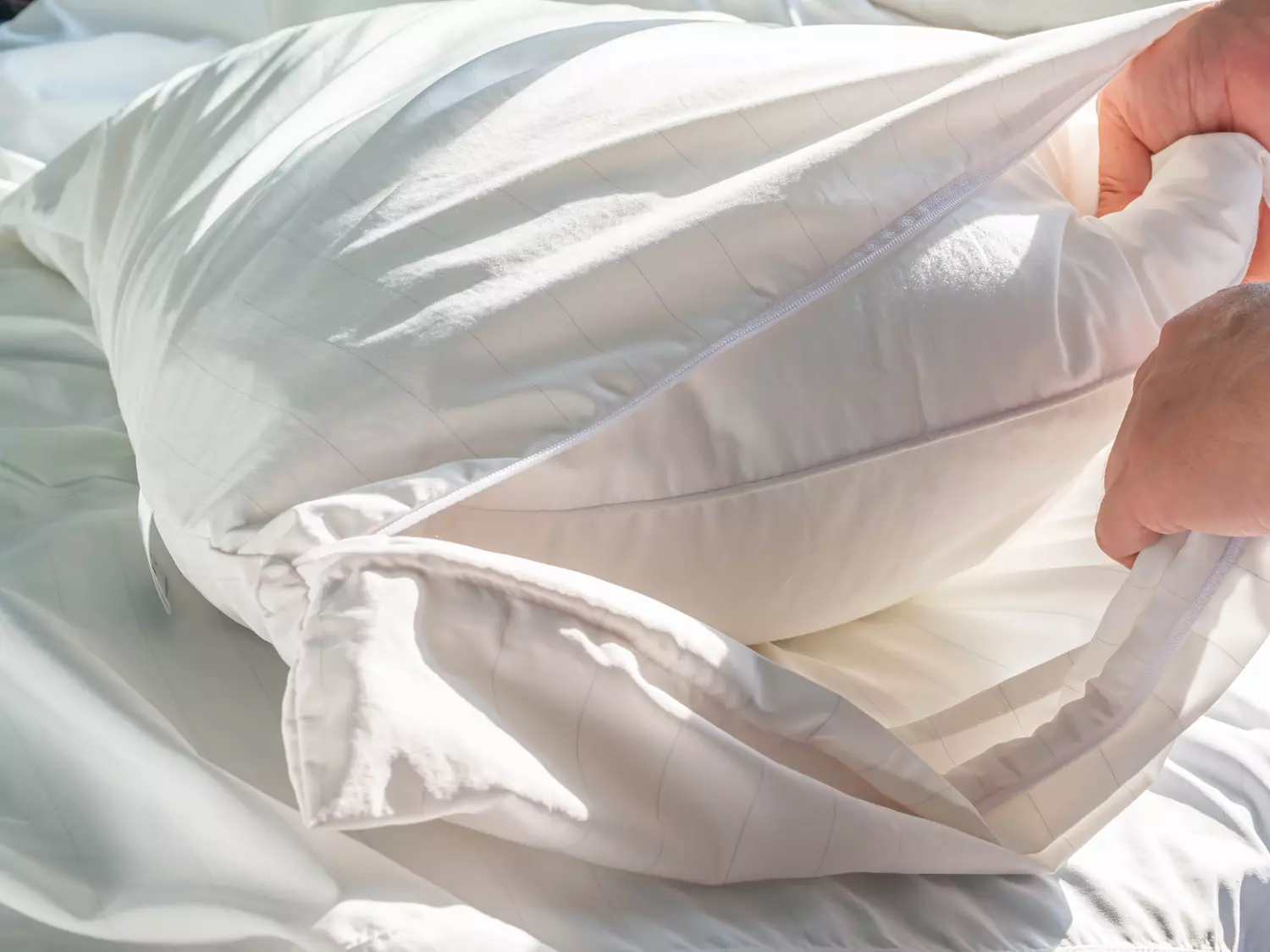
Sleeping on a fresh, clean pillowcase is one of life’s simple pleasures, yet many people underestimate how frequently this bedding item requires washing. While some households stretch their laundry routine to monthly or biweekly intervals, sleep hygiene specialists emphasize that this approach falls dramatically short of maintaining optimal bedroom cleanliness. Your pillowcase accumulates significantly more contaminants than you might realize, creating an environment where bacteria and dust mites thrive with alarming speed.
The fabric pressed against your face for seven to eight hours each night absorbs facial oils, perspiration, saliva, and cosmetic residue, transforming what appears clean into a breeding ground for microorganisms. Dead skin cells shed naturally during sleep provide nutrition for microscopic invaders, while hair products and natural scalp oils add another layer of biological material. This accumulation doesn’t simply disappear overnight, instead building up progressively until proper laundering eliminates these unwanted guests from your sleeping space.
Why weekly washing makes the difference
Dr. Alejandro Ruiz, a Spanish dermatologist specializing in sleep hygiene, emphasizes that weekly laundering significantly reduces allergens and dust mites residing in bedding. This frequent cleaning schedule directly impacts both sleep quality and overall health outcomes. The seven-day interval prevents microbial populations from reaching problematic levels, maintaining a sanitary sleeping environment that supports skin health and respiratory wellness.
Unlike the extended intervals some people practice, weekly pillowcase changes address the biological reality of how quickly contaminants accumulate. Consider that your pillowcase experiences more direct facial contact than virtually any other textile in your home. When you compare this exposure to how frequently you wash clothing or towels, the logic behind weekly cleaning becomes immediately apparent. Quality bedding brands often design their products with frequent washing in mind, ensuring durability through repeated laundry cycles.
The benefits extend beyond simple cleanliness. Regular washing helps prevent acne breakouts, skin irritation, and allergic reactions that stem from prolonged exposure to accumulated bacteria and allergens. For individuals with sensitive skin or existing dermatological conditions, this weekly routine becomes even more critical. The investment of time and energy pays dividends through improved skin appearance and reduced inflammatory responses that can disrupt sleep patterns and daily comfort.
| Washing frequency | Bacterial levels | Allergen presence | Skin health impact |
|---|---|---|---|
| Weekly | Minimal | Significantly reduced | Optimal conditions |
| Biweekly | Moderate | Elevated | Potential irritation |
| Monthly | High | Substantial buildup | Increased breakouts |
Proper washing techniques for maximum effectiveness
Understanding the correct temperature and drying methods ensures your weekly washing routine delivers maximum sanitation. Always check the care label attached to your bedding, as manufacturers provide specific guidelines based on fabric composition. Generally, temperatures between 40°C and 60°C effectively eliminate bacteria and dust mites without damaging most fabrics. Higher temperatures prove particularly effective against microorganisms, though delicate materials may require cooler settings to preserve their structural integrity.
Complete drying before storage represents an equally crucial step that many overlook. Residual moisture creates ideal conditions for mold and mildew growth, defeating the entire purpose of washing. Whether using a tumble dryer or air-drying method, ensure pillowcases are thoroughly dry before placing them back on your pillows or storing them in closets. This attention to detail prevents musty odors and maintains the hygienic benefits achieved through proper laundering.
Washing your pillowcases together with your sheets creates an efficient routine while ensuring your entire sleeping surface receives simultaneous refreshment. This synchronized approach works particularly well if you’ve invested in coordinated bedding sets that share similar care requirements. The convenience of unified laundry timing helps establish consistency, making weekly cleaning feel less burdensome and more automatic.
Selecting materials that support cleanliness
The fabric composition of your pillowcases dramatically influences how well they resist contamination and respond to frequent washing. Natural fibers like organic cotton and linen offer excellent breathability while withstanding repeated high-temperature laundering without significant deterioration. These materials allow moisture to evaporate rather than trap it against your skin, creating a less hospitable environment for bacterial colonization throughout the night.
Silk presents exceptional advantages through its tightly woven structure that naturally repels impurities and allergens. This luxurious fabric possesses inherent hypoallergenic and antibacterial properties, making it particularly suitable for individuals with sensitive skin or respiratory sensitivities. While silk requires gentler washing temperatures, its natural resistance to contamination accumulation makes it a worthwhile investment for those prioritizing sleep hygiene. Understanding different fabric properties helps you make informed decisions about bedding materials that align with your health priorities.
Consider these additional protective measures to enhance your pillow hygiene :
- Use pillow protectors underneath your pillowcases to create an additional barrier against perspiration and saliva
- Choose protectors treated with antimicrobial, anti-dust mite, and anti-fungal agents for enhanced protection
- Replace pillows themselves every one to two years, as internal contamination eventually exceeds what external washing can address
- Consider having multiple pillowcase sets to simplify your weekly rotation and reduce laundry stress
Maintaining consistency in your bedroom hygiene routine
Establishing a regular schedule transforms pillowcase washing from an occasional chore into an automatic habit. Designate a specific day each week for bedding laundry, treating it with the same priority you give other essential household maintenance tasks. This consistency ensures you never fall behind, preventing the gradual accumulation of contaminants that occurs when washing intervals stretch beyond seven days.
Much like addressing preventive home maintenance issues, proactive pillowcase hygiene proves far more effective than reactive responses to skin problems or allergic symptoms. The relatively small time investment yields substantial returns in sleep quality and dermatological health. When you optimize your bedroom environment through consistent cleaning practices, you create sanctuary conditions that promote restorative rest and overall wellness.
If space permits, keep extra pillowcase sets readily available, perhaps stored near your bed or in an easily accessible linen closet. This preparation eliminates excuses for delaying changes and supports your commitment to weekly rotation. For those living in compact spaces, efficient storage solutions can help organize bedding accessories without cluttering limited square footage. Remember that the few minutes required for weekly pillowcase changing represent a minimal investment compared to the cumulative health benefits this simple practice delivers throughout months and years of consistent application.