
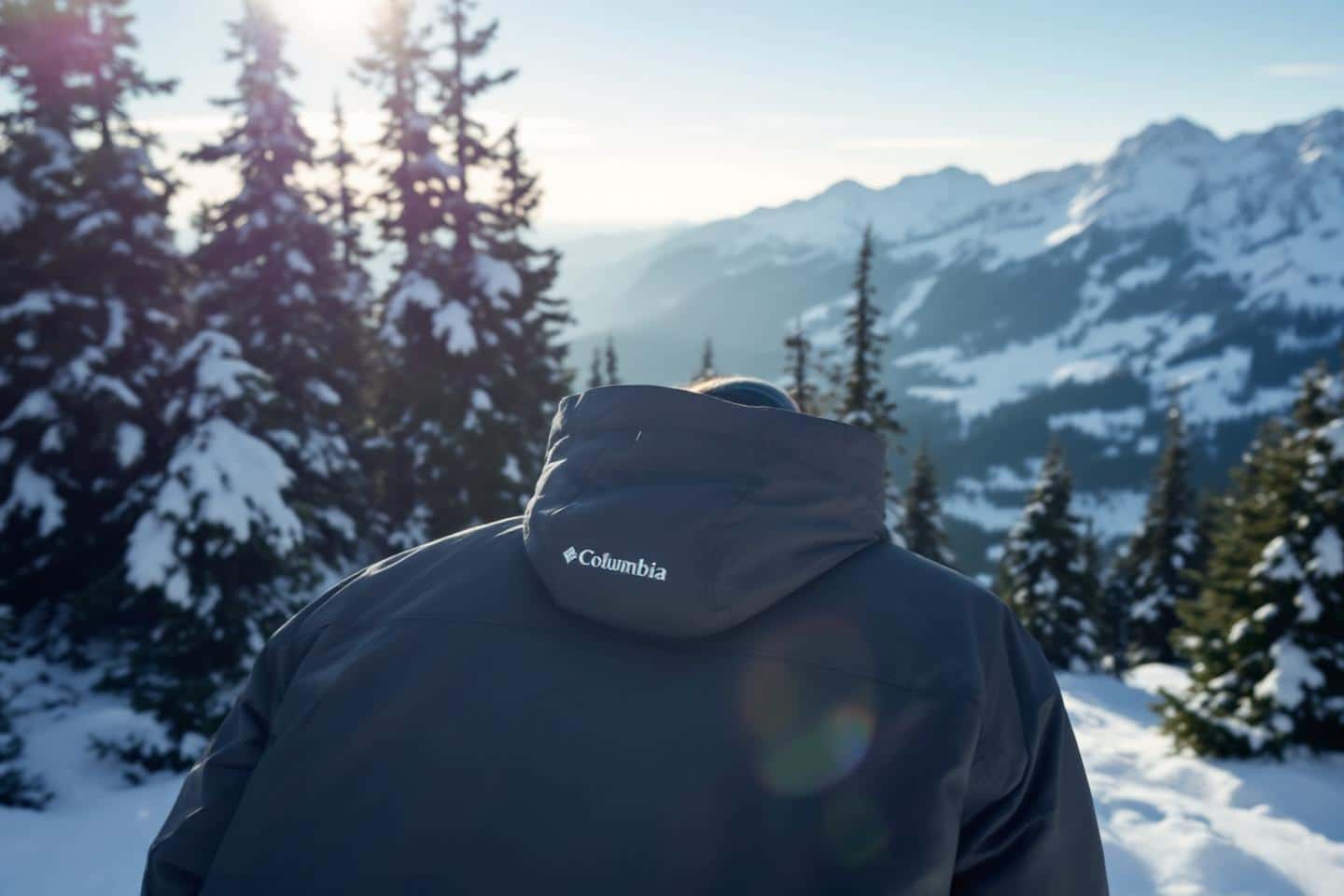
Columbia Sportswear has built a reputation over eight decades as a major player in outdoor apparel and gear. Founded in Portland, Oregon, the brand offers everything from winter jackets to hiking boots, positioning itself as a reliable choice for outdoor enthusiasts. When shoppers ask about Columbia’s standing in the market, they’re typically weighing three critical factors : material quality, price point accessibility, and real-world performance in demanding conditions.
Understanding whether this American brand delivers genuine value requires examining its construction methods, durability track record, and how it compares to both budget alternatives and premium competitors. The outdoor apparel industry spans a wide spectrum, from Is Athleta fast fashion retailers to high-end technical specialists, making it essential to position Columbia accurately within this landscape.
Material composition and construction standards
Columbia employs a diverse range of fabrics across its product lines, with proprietary technologies forming the backbone of its reputation. The brand’s Omni-Tech waterproofing features prominently in rain jackets and winter outerwear, utilizing breathable membranes that balance weather protection with moisture management. This technology competes directly with Gore-Tex and similar systems, though typically at a lower price threshold.
The construction quality varies considerably depending on the product tier. Entry-level items often incorporate synthetic materials like polyester and nylon fabrics, which raise questions about material safety for conscious consumers. Mid-range offerings showcase reinforced stitching at stress points, taped seams for waterproof garments, and durable zippers from established manufacturers like YKK.
Premium Columbia lines demonstrate notably superior craftsmanship with features like articulated knees in pants, adjustable hem systems, and multi-layer insulation. The brand’s Omni-Heat reflective technology, which uses metallic dots printed on fabric linings to reflect body heat, represents genuine innovation in thermal retention without excessive bulk. This approach differs from traditional insulation methods that rely solely on synthetic or down fill materials.
| Technology | Purpose | Performance rating |
|---|---|---|
| Omni-Tech | Waterproofing and breathability | Good for moderate conditions |
| Omni-Heat | Thermal reflection | Excellent warmth-to-weight ratio |
| Omni-Shade | UV protection | Reliable sun blocking (UPF 50) |
| Omni-Wick | Moisture management | Adequate for moderate activity |
The brand also incorporates viscose and similar semi-synthetic materials in certain casual wear items, blending comfort with functional properties. However, these fabrics typically appear in lifestyle products rather than technical outdoor gear designed for extreme environments.
Price positioning and value assessment
Columbia occupies the middle ground in outdoor apparel pricing, creating an accessible entry point for casual adventurers while offering sufficient performance for regular use. A typical Columbia winter jacket retails between 80 and 200 dollars, positioning it well below premium brands like Arc’teryx or Patagonia, which often command 300 to 600 dollars for comparable items.
This pricing strategy makes the brand particularly appealing to families, weekend hikers, and those living in moderate climates where extreme weather protection isn’t a daily necessity. The value proposition strengthens when considering the brand’s warranty coverage and customer service responsiveness, which generally receive positive feedback from consumers.
Durability testing by independent reviewers suggests that mid-tier Columbia products typically last three to five years with regular use, translating to reasonable cost-per-wear calculations. The seams hold up adequately in washing machines, waterproof coatings maintain effectiveness through multiple seasons, and zippers rarely fail prematurely in properly maintained garments.
Sales and outlet opportunities further enhance the value equation. Columbia operates numerous outlet stores and participates in seasonal sales, allowing savvy shoppers to acquire products at 30 to 50 percent discounts. This accessibility contrasts with fast fashion alternatives that sacrifice quality for initial affordability, then require frequent replacement.
Real-world performance across conditions
Field testing reveals where Columbia genuinely excels and where limitations become apparent. For moderate hiking, camping, and everyday weather protection, the brand performs admirably. Jackets maintain water resistance during light to moderate rain, insulated layers provide adequate warmth in temperatures down to 20 degrees Fahrenheit, and hiking boots offer reasonable support on established trails.
However, extreme conditions expose the brand’s positioning as a mid-range option. Mountaineering expeditions, backcountry winter camping, and sustained exposure to harsh elements typically demand more specialized equipment than Columbia’s standard offerings provide. Professional guides and serious alpinists generally opt for premium alternatives when lives depend on gear performance.
Key performance observations include :
- Waterproofing holds up for four to six hours in steady rain before moisture penetration occurs
- Breathability proves adequate for moderate activity levels but struggles during high-intensity pursuits
- Insulation maintains warmth effectively in static situations but compresses under pack straps during extended treks
- Footwear provides decent traction on dry to moderately wet terrain, though specialized hiking brands offer superior grip
- Durability exceeds fast-fashion options but falls short of heritage outdoor brands in long-term resilience
The brand’s fishing gear, particularly its PFG (Performance Fishing Gear) line, receives notably positive feedback from anglers who appreciate the sun protection, quick-dry fabrics, and functional pocket configurations. This specialization demonstrates where focused product development yields strong results within the broader Columbia portfolio.
Sustainability considerations and ethical production
Environmental consciousness increasingly influences purchasing decisions, making Columbia’s sustainability practices relevant to brand evaluation. The company has established goals including eliminating PFC-based waterproofing treatments, increasing recycled material usage, and improving supply chain transparency. Progress toward these objectives remains moderate compared to industry leaders who have made sustainable living practices central to their brand identity.
Columbia participates in the Sustainable Apparel Coalition and publishes annual responsibility reports detailing labor practices, environmental impact metrics, and improvement initiatives. The brand scores in the middle range on independent sustainability assessments, indicating genuine effort without achieving exemplary status.
Manufacturing primarily occurs in Asia, where labor practice oversight requires continuous attention. Columbia maintains codes of conduct for factory partners and conducts audits, though critics note that mid-market pricing inherently limits the investment possible in premium ethical manufacturing. This reality creates a tension between affordability and optimal sustainability that conscious consumers must navigate.
The brand’s repair program and warranty service help extend product lifecycles, reducing overall environmental impact through decreased consumption. This approach aligns with circular economy principles, though Columbia hasn’t yet implemented comprehensive take-back or recycling programs matching some competitors’ initiatives.